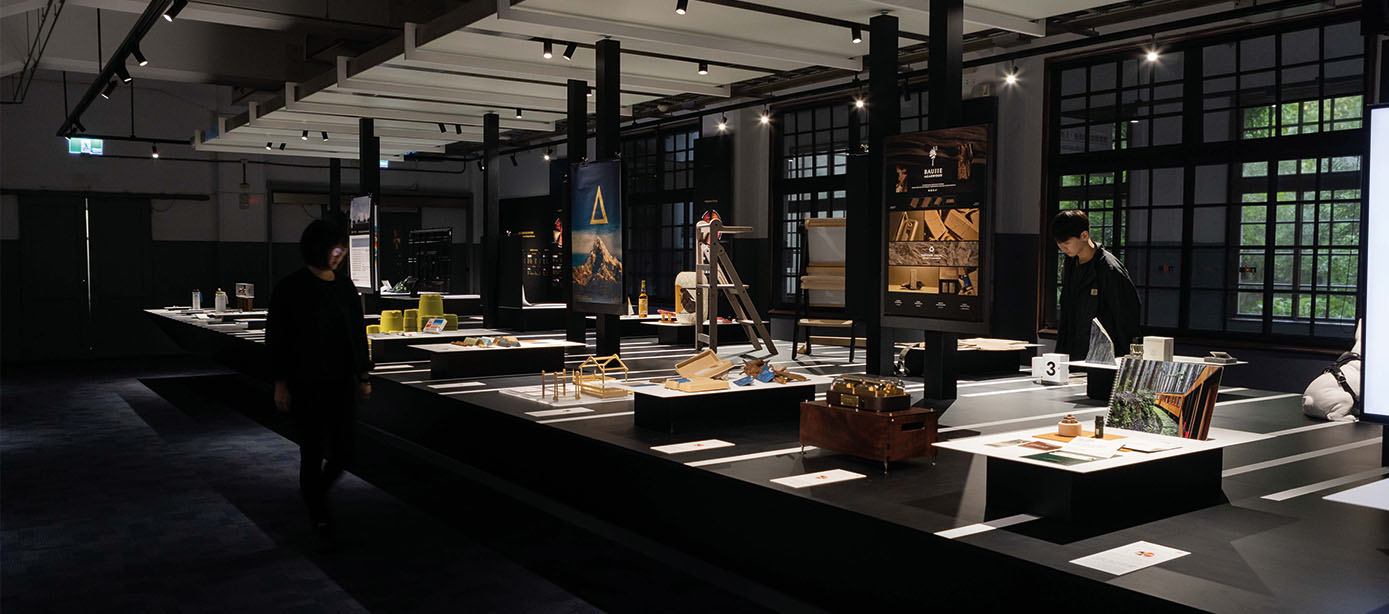
Taiwan Design Week 2025 : Révéler le design démocratique

Taiwan Design Week 2025 : Révéler le design démocratique

Au-delà de sa réputation de puissance manufacturière, Taïwan mobilise le design pour ouvrir une nouvelle ère d’excellence nationale. À travers la Taiwan Design Week, le pays montre comment des démarches fondées sur la recherche peuvent transformer les industries et comment des valeurs démocratiques peuvent s’inscrire concrètement dans les gestes du quotidien.

‍

Taïwan a façonné un paysage culturel stratifié, nourri par une longue histoire de migrations et d’échanges transpacifiques. Le Songshan Cultural and Creative Park, à Taipei, incarne cette diversité comme un microcosme symbolique. Classé 99e site historique municipal de la ville, le parc illustre une cohabitation harmonieuse entre patrimoine et sensibilité contemporaine. Il abrite également le Taiwan Design Research Institute (TDRI). Élevé au rang d’institut public en 2020 à partir du Taiwan Design Center, il constitue aujourd’hui l’unique entité publique chargée d’intégrer le design dans la gouvernance afin de stimuler le développement industriel. Du 29 novembre au 7 décembre 2025, l’institut y a organisé l’édition annuelle de la Taiwan Design Week.

Positionner un événement de design fondé sur la recherche

Pour sa troisième édition, en 2025, la manifestation s’est tenue conjointement avec la conférence de l’International Association of Societies of Design Research, renforçant ainsi sa dimension académique. Des experts issus de 497 universités et de 85 entreprises, représentant 47 pays, se sont réunis pour explorer le point de convergence entre recherche en design et applications concrètes.
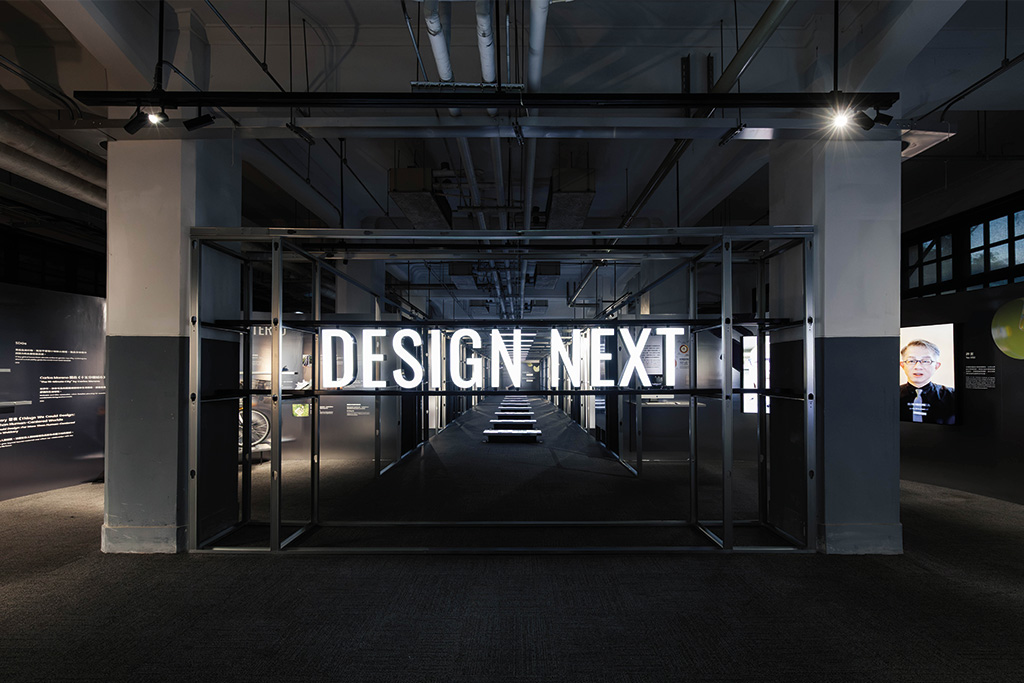
L'exposition thématique « Design Next » pose des questions tournées vers l'avenir ©Taiwan Design Research Institute

L’exposition thématique, « Design Next », a été organisée sous le comissariat de Ping-hung Chung, architecte et fondateur du collectif créatif Archicake. Alors que les précédentes éditions - Elastic Bridging et The Gateway - mettaient l’accent sur le développement durable et l’intelligence artificielle, « Design Next » posait une question plus fondamentale : « À l’ère de l’accélération technologique, de la crise climatique et des conflits de valeurs, quel type de vie future envisagez-vous ? » Cette profondeur analytique distingue la Taiwan Design Week d’autres événements à dominante commerciale, lui conférant une identité singulière ancrée dans la réflexion critique.

Un catalyseur national d’innovation

Chi-yi Chang, directeur du TDRI et membre du conseil d’administration de la World Design Organization, soulignait cette évolution stratégique : « À sa création, le TDRI a reçu le Presidential Innovation Award aux côtés de leaders industriels tels que TSMC, la plus grande fonderie de semi-conducteurs au monde. Cette reconnaissance démontre que le design est désormais considéré comme un moteur essentiel de croissance, au même titre que les technologies de pointe. » À propos de la synergie entre l’écosystème industriel local et le design, il précise : « Notre avantage concurrentiel réside dans une collaboration radicale entre designers, ingénieurs et fabricants. Peu de pays sont capables de passer aussi rapidement de l’idéation au prototype puis à la mise en œuvre. Cette agilité, ancrée dans une maîtrise industrielle solide, permet de répondre immédiatement aux besoins sociétaux. »
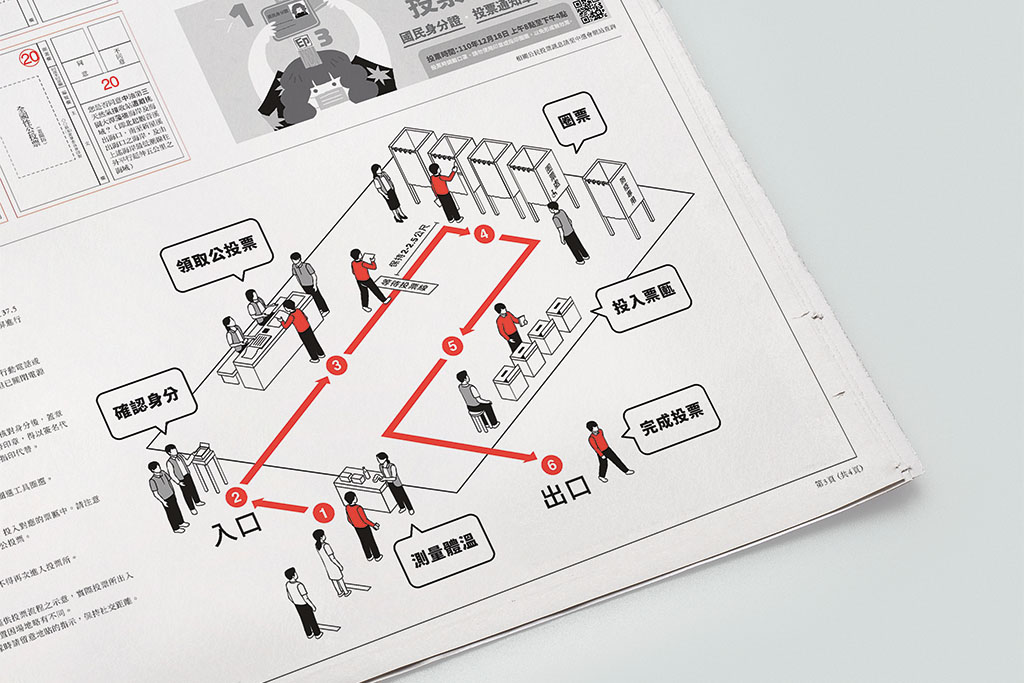
Passage des guides de vote riches en texte à des infographies pour une information plus intuitive ©Taiwan Design Research Institute

Cultiver une culture civique par le design

Le TDRI a également illustré la portée sociale de son action à travers l’exposition principale, en mettant en avant des transformations exemplaires du service public. Un projet emblématique a repensé l’expérience du vote - l’acte le plus direct de participation civique - en partenariat avec la Commission électorale centrale. Grâce à des infographies accessibles, des parcours procéduraux intuitifs et des isoloirs modulaires, ce projet a converti des dispositifs complexes en une interface centrée sur l’usager. Cet esprit de « design pour la démocratie » était perceptible tout au long du parcours, notamment dans la section participative de vote qui clôturait la visite. « Le design démocratique, tel que nous le définissons au TDRI, consiste à encourager la participation, la transparence et la confiance », expliquait Chi-yi Chang. « L’objectif est de favoriser un dialogue organique entre secteurs public, privé et académique. Le design dépasse la politique : il structure une culture civique au quotidien. »

Du déchet au produit : fibres d’ananas et finitions en coquilles d’huîtres

La durabilité demeurait l’un des piliers majeurs de cette édition. Pour répondre à la problématique des déchets agricoles, UKL Enterprise a présenté la commercialisation du PALF (Pineapple Leaf Fiber). Issue des feuilles d’ananas, cette fibre haute performance offre respirabilité et propriétés anti-bactériennes, destinées à la mode et aux produits lifestyle. Parallèlement, le groupe technologique Acer a posé un jalon en matière d’électronique durable. Sa série Vero intègre des plastiques recyclés post-consommation et inaugure l’utilisation de biomatériaux, notamment des coquilles d’huîtres recyclées, dans les coques d’ordinateurs portables. L’entreprise poursuit sa feuille de route vers la neutralité carbone, en cohérence avec son engagement dans l’initiative RE100, visant un approvisionnement à 100 % en énergies renouvelables d’ici 2035.

La série Vero d'Acer, entièrement fabriquée à partir de plastiques recyclés post-consommation ©Acer

‍Golden Pin Design Award 2025

Autre pilier de la Taiwan Design Week : le Golden Pin Design Award. Créé en 1981 par le Taiwan Design Center et ouvert à une audience internationale en 2014, il s’est imposé comme un baromètre de référence. La cérémonie de remise des prix s’est tenue au Taipei Performing Arts Center, bâtiment emblématique conçu par l’agence OMA. Après une évaluation rigoureuse fondée sur cinq critères que étaient l’innovation, la fonctionnalité, l’esthétique, la communication et l’intégration, 22 projets ont été distingués comme Best Design of the Year, auxquels s’ajoutent trois Special Annual Awards et trois Best Concept Design Awards. Les projets primés, toutes disciplines confondues, témoignent d’un engagement collectif en faveur de solutions concrètes au service de l’humain et de l’environnement. Parmi eux, deux exemples marquants en design produit illustrent cette ambition. La LightUp Filtered Bottle d’Aquacendo, marque de la société taïwanaise Yee Gee International, associe filtration de l’eau et éclairage LED alimenté par énergie solaire, constituant un outil de survie essentiel dans les régions dépourvues d’infrastructures.
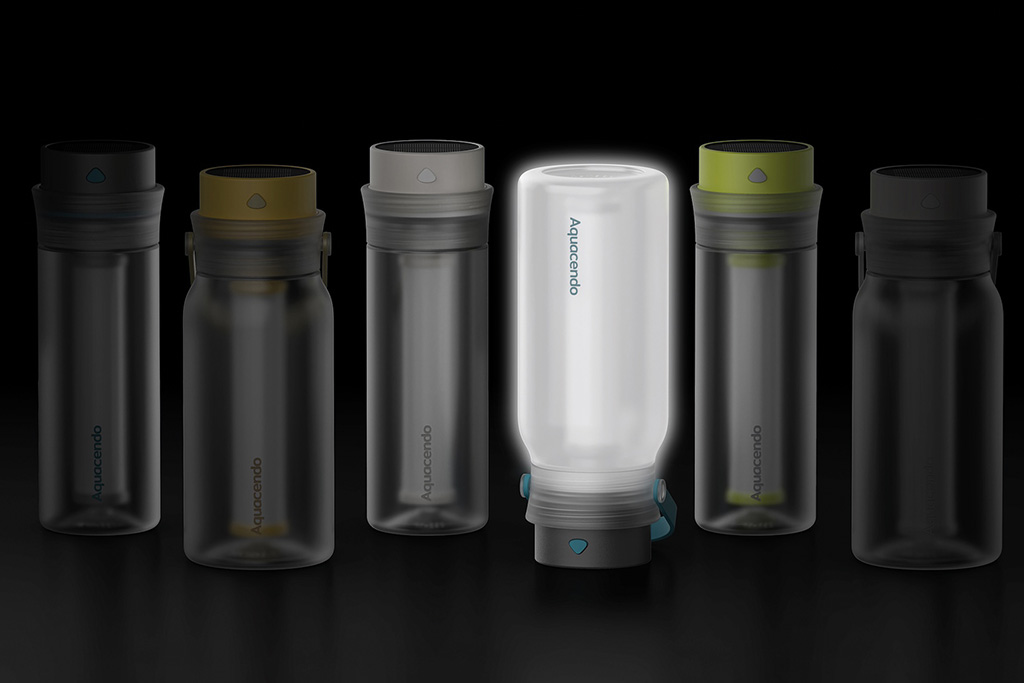
Bouteille filtrée LightUp d'Aquacendo, lauréate du Golden Pin Design Award © Aquacendo

De même, SOMO, système d’éclairage solaire modulaire développé par la marque allemande Sonnenglas®, va au-delà d’une simple alternative sûre aux lampes à kérosène : il est assemblé à la main dans une structure certifiée fairtrade en Afrique du Sud. En conjuguant ingénierie de précision, création d’emplois locaux et développement de compétences techniques, ces projets démontrent comment le design contemporain peut devenir un puissant levier de résilience sociale, environnementale et économique.
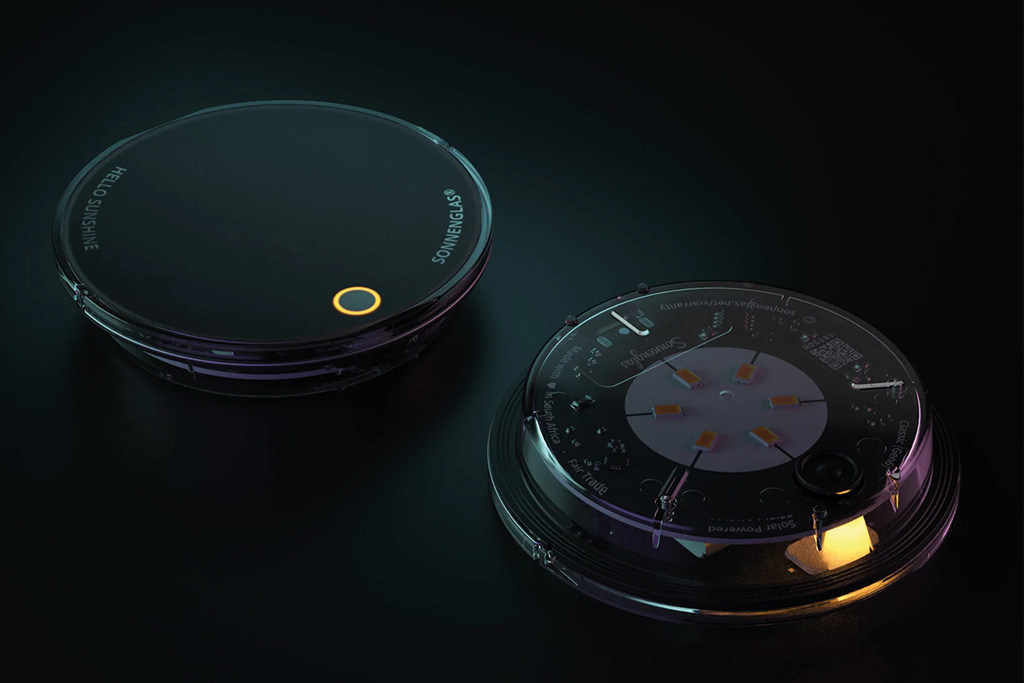
Le système SOMO de Sonnenglas® est conçu pour fournir un éclairage sûr et durable ©  Sonnenglas®

Plus de 100 œuvres primées sont actuellement présentées dans une exposition spéciale au Taiwan Design Museum, au sein du Songshan Cultural and Creative Park jusqu’au 26 avril 2026.
Rédigé par 

Vous aimerez aussi

Temps de lecture
12/11/2026
Third Line: A prize to reinvent materials

With Third Line, the French group GPA, specializing in automotive recycling, is launching a new design prize aimed at exploring the creative potential of materials sourced from end-of-life vehicles. For this inaugural edition, artists and designers are invited to imagine new uses for an unexpected material: the airbag. The call for entries is open until January 31, 2027.

‍

What happens to automotive materials when they can no longer be recycled? This is the question the GPA group, a family-owned business based in the Drôme region specializing in automotive recycling, aims to answer with the launch of Third Line. Conceived as a biennial event, this new prize intends to foster a dialogue between contemporary creation and industrial expertise by inviting artists and designers to rethink the uses of materials that are currently underutilized. Each year, GPA processes more than 45,000 vehicles and manages to recycle and recover an average of 99.7% of their mass. However, certain materials, such as foams, leathers, and airbags, remain difficult to recycle. It is precisely these materials that Third Line seeks to view through a new lens, turning design into a true field of experimentation.

The airbag as a creative material

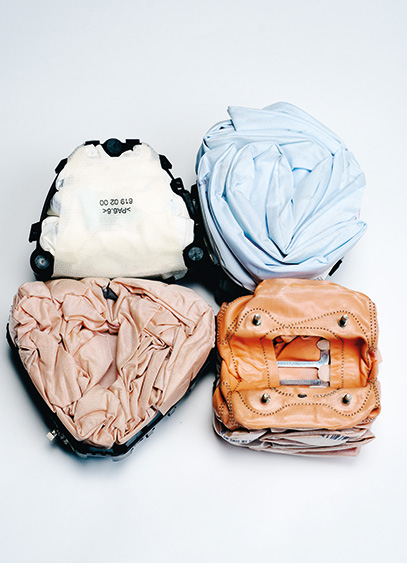
For this first edition, the focus is on the airbag, a technical polyamide textile known for its lightness and mechanical strength, but which currently lacks any suitable recycling stream. Prize applicants are invited to explore its properties to imagine a piece of contemporary, functional furniture intended for corporate spaces.

A prize bridging research and production

Open to artists and designers, the Third Line prize includes a €10,000 award and offers support that goes beyond mere financial reward. The winner, to be announced in the spring of 2027, will be hosted at GPA starting in September 2027 for a research and production residency. They will be able to develop their project in collaboration with the company's teams, as well as local artisans and technical partners, through to completion. Ultimately, the goal of each edition will be to explore a different material, gradually building a collection born from this encounter between creation and industry.

More information and registration here: https://www.groupe-gpa.fr/third-line-prix-du-design/

Temps de lecture
10/11/2026
The Trophées du Meuble: "Rewarding expertise, and making it known"

For the launch of the first edition of the Trophées du Meuble, Dantès Presse—publisher of Le Courrier du Meuble, Cuisines & Bains magazine, and Concept Bains—has partnered with Intramuros magazine and Maison&Objet. This collaboration will include a major awards ceremony held at the trade show on January 14, 2027. Frédéric Marty, General Manager of Dantès Presse and Editor-in-Chief of Intramuros, and Vincent Lhoste, General Manager of Safi, discuss the ins and outs of this new event.

‍

In 2026, Dantès Presse and Intramuros are launching the first edition of the Trophées du Meuble. What does this event entail, and what is the motivation behind this initiative?

Frédéric Marty: The positioning of our various magazines—Le Courrier du Meuble, the historic B2B publication for the furniture industry; Cuisines & Bains magazine and Concept Bains, which are leaders in the kitchen and bathroom sector; and Intramuros, the reference for design—gives us a comprehensive view of the furniture market. We realized that while these different fields, all centered on home furnishings and interior architecture, have their own competitions and awards, they lack connections and bridges between them. The main idea behind the Trophées du Meuble is to fill a gap in the market by creating a cross-disciplinary competition that rewards the excellence and expertise of all these companies—industrial or artisanal—without which designers' creations could never come to life.

How have market players responded, and where do we stand with the schedule as of early November?

Frédéric Marty: We received a very positive response right away, which encouraged us to see this project through. Today, there is a lot of talk about collectible design, limited editions, and exclusive creations, but not enough about industrial design or the expertise of manufacturers and artisans—which is remarkable in France and Europe and forms the foundation for the quality and large-scale distribution of our products. We must pay tribute to and support all these companies that invest, innovate, and take risks. To fulfill this role, the Trophées du Meuble are divided into 11 categories—such as living room, outdoor furniture, eco-furniture, contract, etc.—with three awards in each (First Prize, Jury’s Special Prize, and Public Prize, totaling 33 awards). These will be decided by an independent jury composed of experts from each sector to eliminate any risk of bias or insularity. Regarding the schedule, entries are open until December 15, 2026, which will allow the juries to deliberate before the end of the year, leading up to the awards ceremony on January 14, 2027, at Maison&Objet.

Vincent Lhoste, President of Safi © Anne-Emmanuelle Thion

Maison&Objet is a major event in our sector that needs no introduction, but the concept has evolved significantly in recent editions. Could you give us an overview of its main features?

Vincent Lhoste: Today, Maison&Objet is much more than just a trade show. It is an ecosystem that supports professionals throughout the year through our physical meetings, our digital platform MOM, and the events that bring design to life in Paris: Paris Design Week in September and In the City in January. Our ambition remains the same: to create meaningful connections between brands, specifiers, distributors, and buyers, and to provide them with the means to launch new projects. Our two Parisian events have complementary identities. In September, Maison&Objet Pulse focuses on movement, innovation, and new ways of living and creating. It is a time for exploration, open to trends and possible futures. In January, Maison&Objet Premier asserts a more premium dimension, with a particular focus on excellence, craftsmanship, and exceptional signatures. This edition also broadens the perspective from the object to the space and new uses, particularly in high-end decoration and the Contract sector.

The partnership between Maison&Objet and the furniture industry has a long history. What is the profile of the furniture brands that exhibit at the show, and why is this event valuable to them?

Vincent Lhoste: The show brings together a diverse range of profiles: established houses as well as newer brands, publishers, manufacturers, and designers. They share the same high standards for design, quality, and differentiation, with offerings ranging from furniture to interior design solutions and projects for the hospitality or Contract sectors. For these brands, Maison&Objet is a place for visibility and commercial development. They can present their collections, meet international buyers, distributors, and specifiers, and also test their proposals against market trends. The show creates the conditions for exchanges that can lead to concrete projects, listings, and orders.

Frédéric Marty, General Manager of Dantès Presse and Editor-in-Chief of Intramuros

‍The first Trophées du Meuble awards ceremony will take place next January at Maison&Objet Premier, which runs from January 14 to 18. Why did you choose this event?

Frédéric Marty: From the moment we launched our competition, Maison&Objet expressed its desire to be our partner, and our teams met to work together on developing the best possible project. Maison&Objet is indeed the ideal partner because of its cross-disciplinary view of the market: the show covers almost all sectors of the home, hosting numerous furniture profiles for both residential and contract use, which are covered by our various magazines. Our publications and the show are complementary: the winners of the Trophées du Meuble, as well as all participants, will benefit from editorial coverage in our columns, but also from the resonance of Maison&Objet and all the media coverage of the event by French and international print and web publications. Our goal is to give the widest possible audience to the creativity and expertise of the players in our markets.

Why is Maison&Objet Premier, which will hold its first edition in January, the right venue to host the Trophées du Meuble?

Vincent Lhoste: Maison&Objet Premier is a particularly fitting setting to host these Trophées because it highlights the excellence, innovation, and expertise that drive the industry forward. Furniture has always held an important place in the history of our show, and the new Maison&Objet Premier concept, held in January, offers furniture brands a prime platform for expression. The Trophées du Meuble, organized by Le Courrier du Meuble with Intramuros, Cuisines & Bains Magazine, and Concept Bain, recognize companies, innovations, and expertise in the worlds of furnishing, design, and Contract. Their presence at Maison&Objet Premier gives visibility to those who are advancing these sectors. It also reflects our desire to foster dialogue between the different trades of interior design and to celebrate the initiatives that contribute to their transformation.

Information and registration:https://lestropheesdumeuble.fr/

Temps de lecture
10/11/2026
With Matte Black and Raw, Elica showcases every facet of black

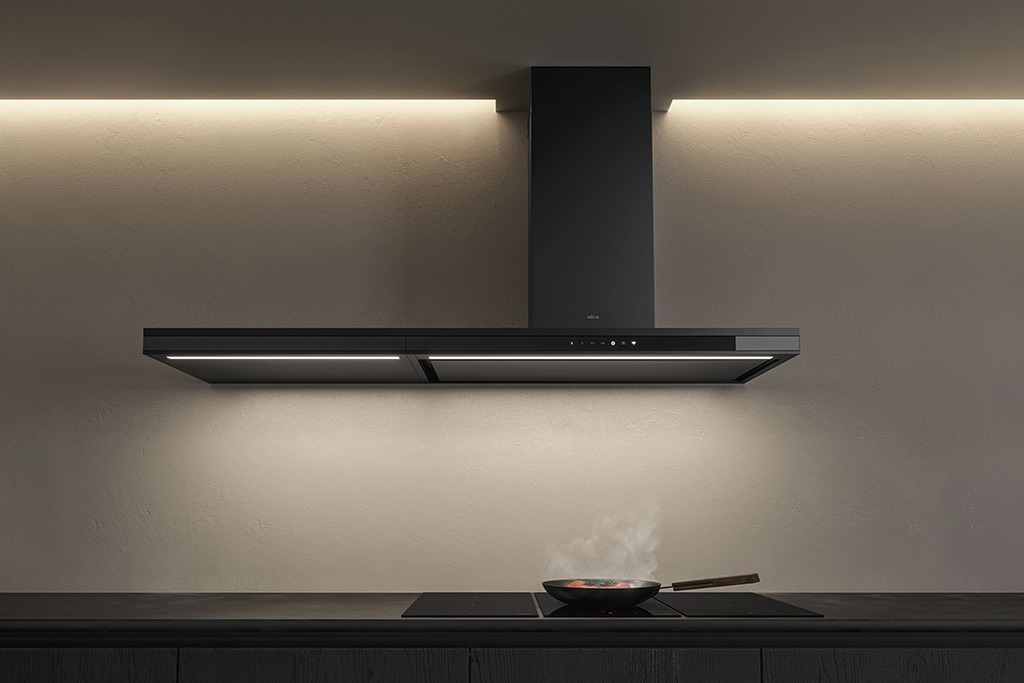
With its Matte Black and Raw finishes, Elica explores the aesthetic and technical possibilities of matte black in the kitchen. From hoods and cooktops to ovens and lighting, the Italian brand is developing a shared design language where style, innovation, and functionality meet.

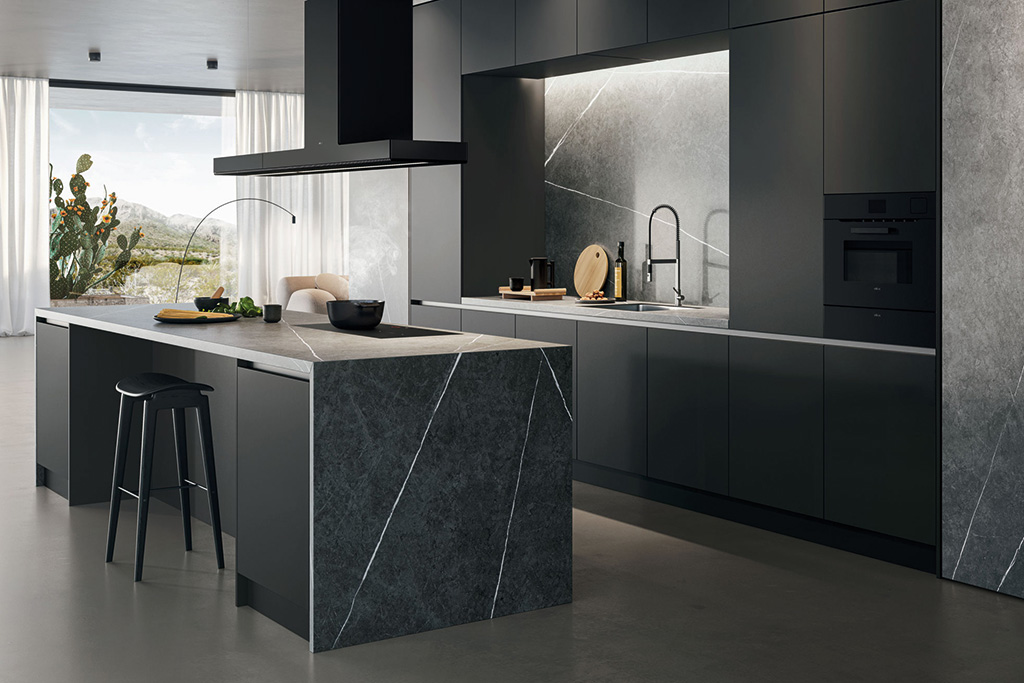
Long favored for its elegance and understated appeal, matte black has established itself as a definitive finish in the world of kitchen design. Elica embraces this trend through two complementary offerings: Matte Black and Raw. Designed as a cohesive aesthetic thread, these finishes adorn various product types—from hoods and ovens to the Luna lamp—allowing for visual continuity across appliances. This approach reflects the evolution of the kitchen, now viewed as a true living space where technical equipment plays an integral role in interior design.

© Elica

Raw: material meets utility

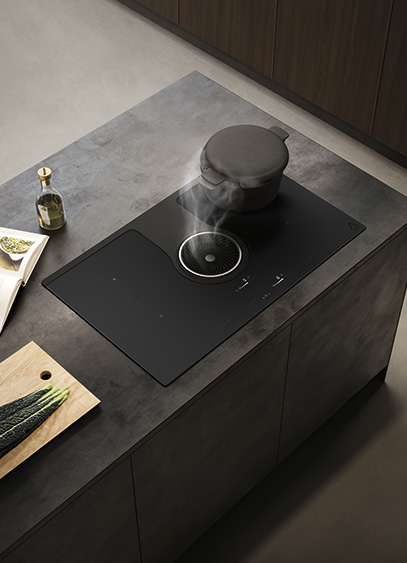
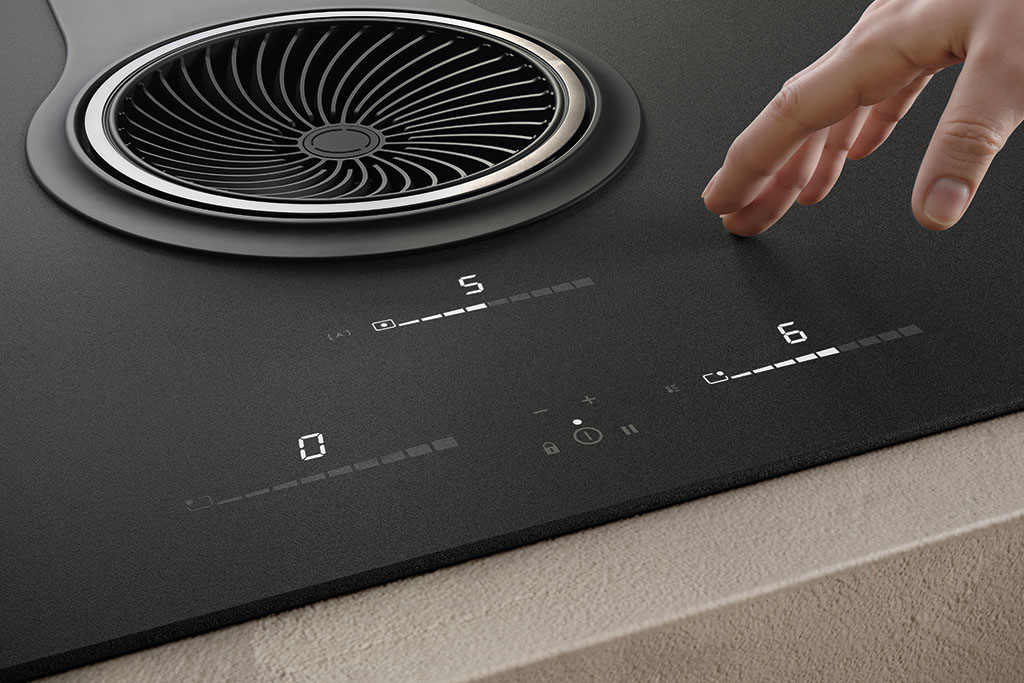
Beyond its aesthetic qualities, matte black has become a playground for innovation at Elica. With Raw, the brand has developed a matte black glass finish that combines material research with practicality. Applied notably to NikolaTesla aspiration hobs, induction cooktops, and the Lhov cooking system, this finish stands out for its textured look and technical properties. Designed to withstand the rigors of daily use, the sophisticated Raw finish makes cleaning and maintenance significantly easier: its surface is resistant to scratches from pots and utensils, as well as fingerprints. The Matte Black surface also offers effortless daily cleaning.

© Elica

Through Matte Black and Raw, Elica moves beyond the simple question of color to treat finish as a fundamental element of kitchen design. It is a way of rethinking appliances, where the material no longer just covers the object, but actively contributes to its function and identity.

© Elica
Temps de lecture
9/11/2026
Didheya x Iratzoki Studio: stainless steel reinvented

Specializing in the design and manufacture of stainless steel products for over 30 years, the Basque brand Didheya is opening a new chapter in its history with Urban Furniture. This new line of furniture, developed in collaboration with Iratzoki Studio, consists of five collections designed for both public and private spaces.

‍

Founded in 1994 in Irun, in the Spanish Basque Country, Didheya has built its expertise around working with stainless steel. Initially specializing in hardware and architectural accessories, the brand gradually diversified into the transport sector, notably developing equipment for trains, subways, and buses. Today, it aims to apply this industrial expertise to furniture through Urban Furniture, a line conceived in collaboration with Iratzoki Studio that marks a new stage in its development.

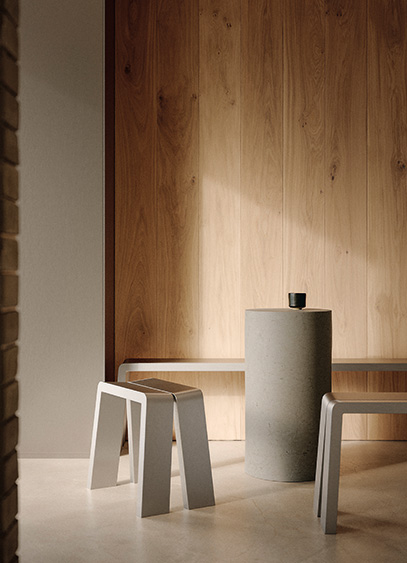
Aroa collection, design: Iratzoki Studio © Didheya

Five collections at the crossroads of design and industry

The result of a long-standing relationship between Didheya and Basque designer Jean-Louis Iratzoki, this collaboration is unveiled through five collections titled Hanka, Hodi, Aroa, Ingude, and Luze. Beyond the design of the pieces, the project is based on a shared reflection on materials, manufacturing processes, and usage, with the aim of offering furniture that is functional, durable, and capable of integrating into various environments.

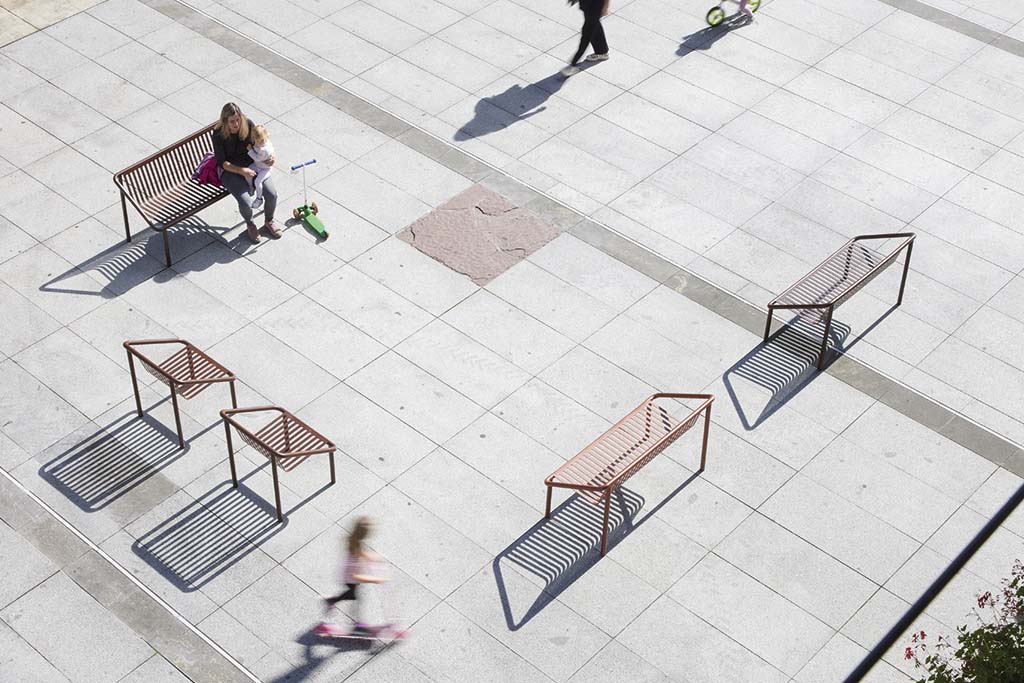
Hanka collection, design: Iratzoki Studio © Didheya

Stainless steel, Didheya's material of choice, serves as the common thread throughout the collections, sometimes combined with solid wood, concrete, or stone. "Our work focused on stainless steel, with an opening toward outdoor furniture intended for both public and private spaces. We sought to design durable, resistant, easy-to-maintain, and environmentally friendly products,"explains the designer.

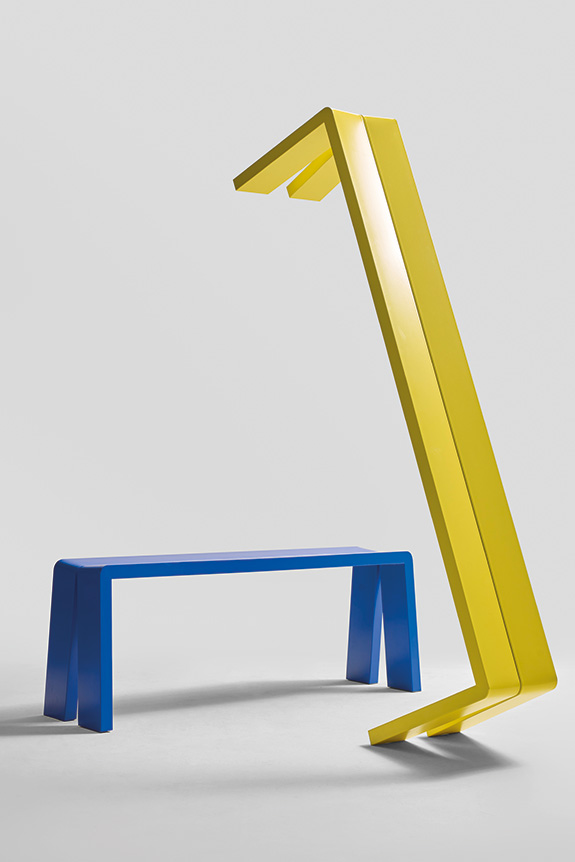
Luze collection, design: Iratzoki Studio © Didheya

Initially conceived for outdoor use, these collections stand out for their versatility and the diversity of their finishes, allowing them to also find their place in interior spaces. From urban squares to university campuses and hotel common areas, they demonstrate a desire to go beyond the mere function of furniture to make it an integral part of the architecture of a space.

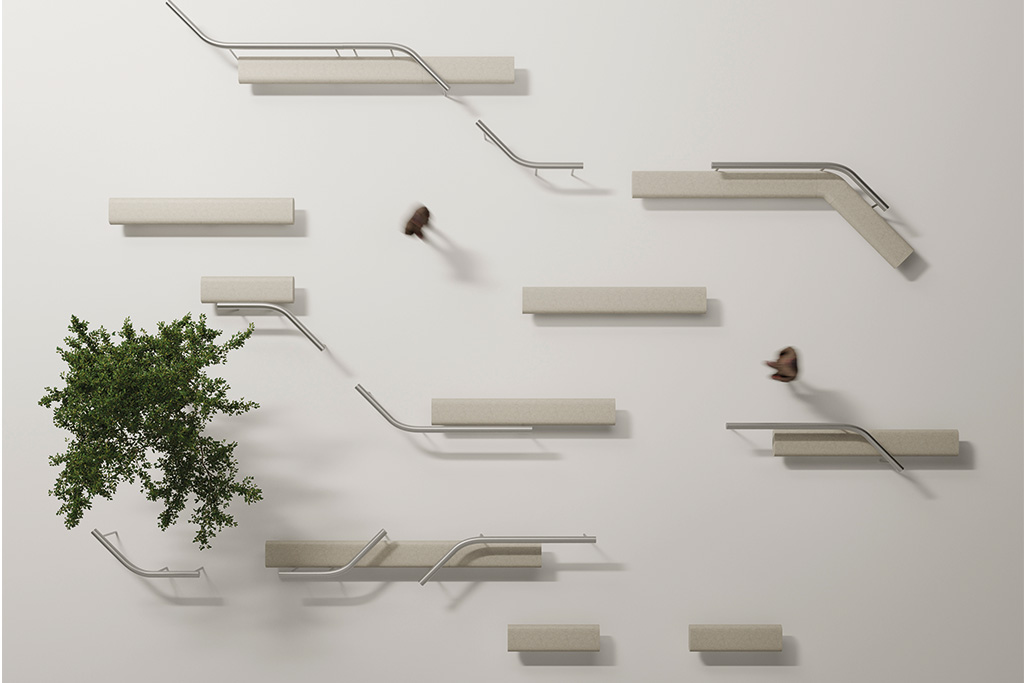
Captions: left, Ingude collection, design: Iratzoki Studio © Didheya / right: Hodi collection, design: Iratzoki Studio © Didheya

Inscrivez-vous à notre newsletter pour recevoir chaque semaine l’actualité du design.