


GUBI opens a GUBI House in Paris
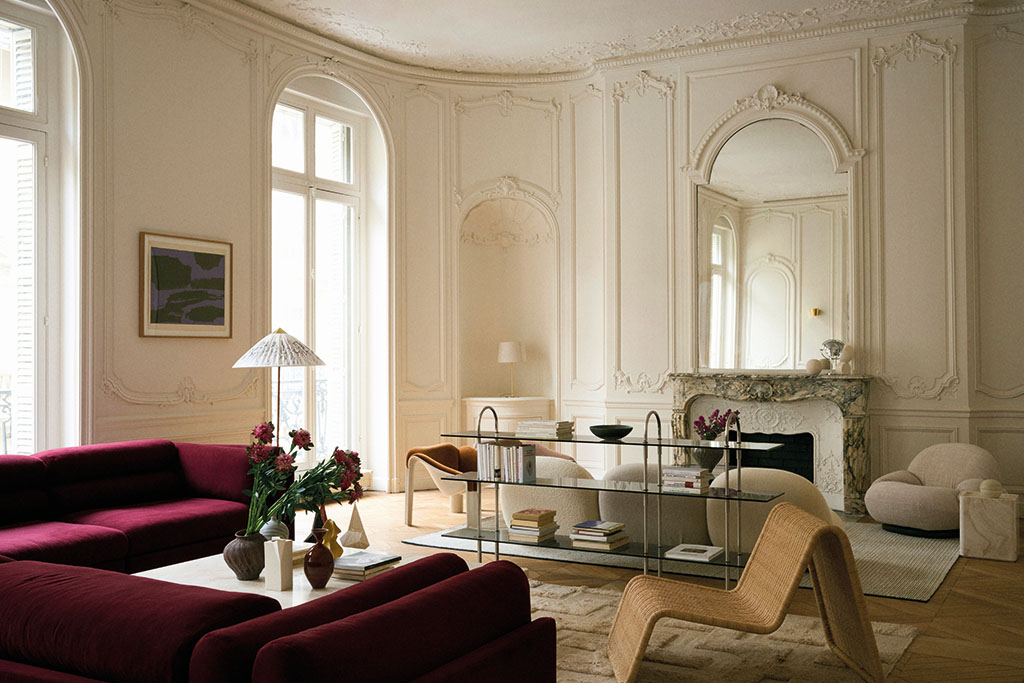
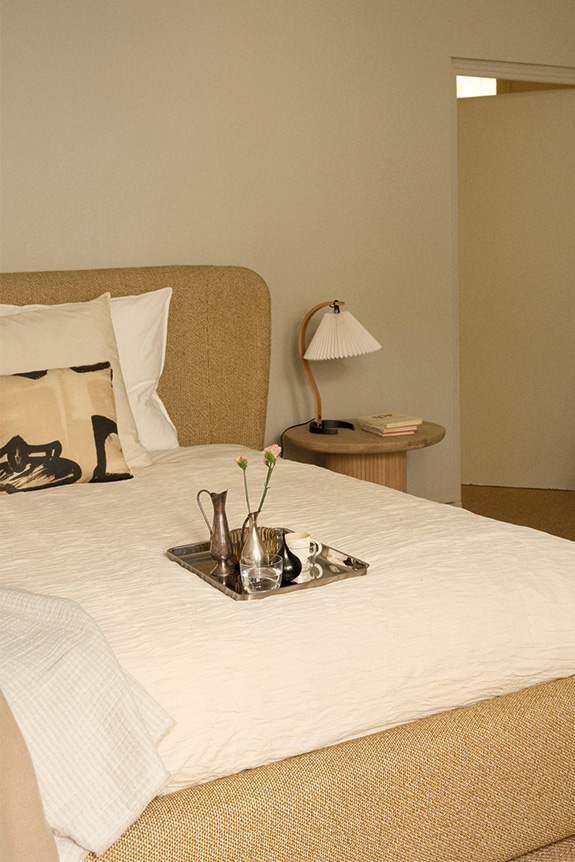
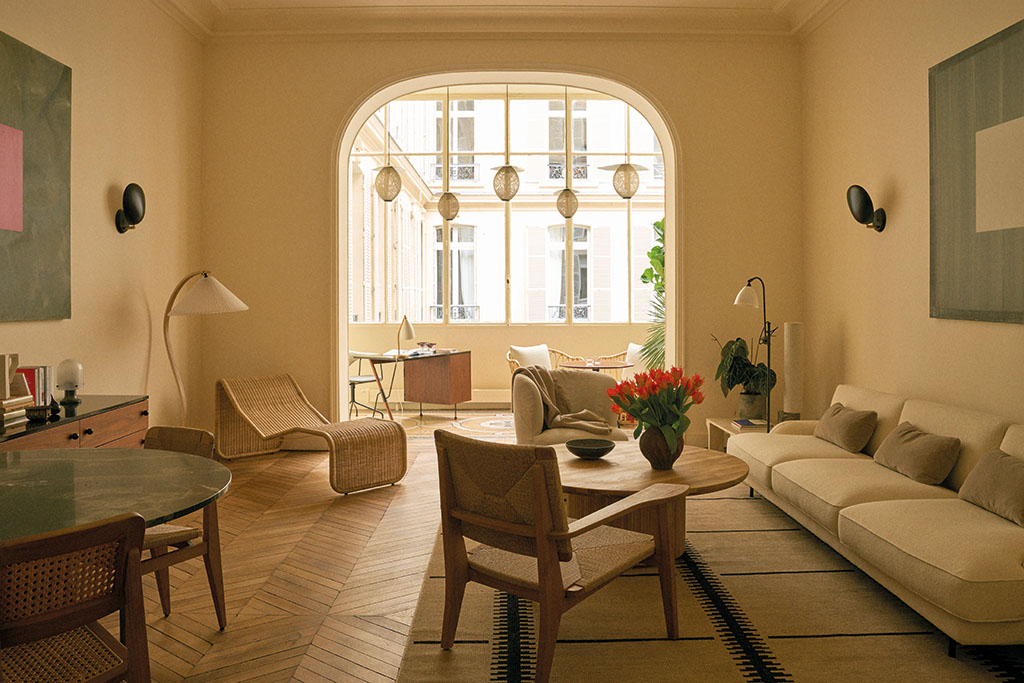
Following successful openings in Copenhagen and London, GUBI has just inaugurated its Parisian GUBI House, located in a quintessential city apartment. The space is designed as a true living environment, where products blend seamlessly into their surroundings to offer an experience that goes far beyond a traditional showroom.
Located in the heart of the 8th arrondissement, just steps from Parc Monceau, the third GUBI House has taken up residence in a 300-square-meter apartment with the primary goal of strengthening the brand's European presence. It is a unique space that reflects the city and its cultural heritage, and Marie-Kristine Schmidt, the brand's CEO, shared her vision for the project with us in greater detail.
Could you tell us more about the DNA of the GUBI Houses?
The GUBI Houses were born from a desire to move beyond simple product presentation toward a true experience. Rather than displaying objects in isolation, we create environments where design is understood in relation to life. Each House is shaped by its context, but all share the same intention: to reflect how the collection fits into everyday life. It is, above all, a dialogue between pieces, eras, and people. In this sense, the "House" is less of a format and more of a mindset. It allows us to present design as something you live with, rather than just something you look at.
This is your first opening in France. Why was it important for the brand to establish a presence in Paris?
Paris holds a unique place in the global design landscape. It is not just an influential city; it is a deeply interconnected hub. Architecture, fashion, art, and interior design constantly feed off one another to create a cultural rhythm that is both historical and contemporary. Establishing a permanent home in Paris allows us to participate more directly in this dialogue between the past and the present.
What makes the Parisian GUBI House unique?
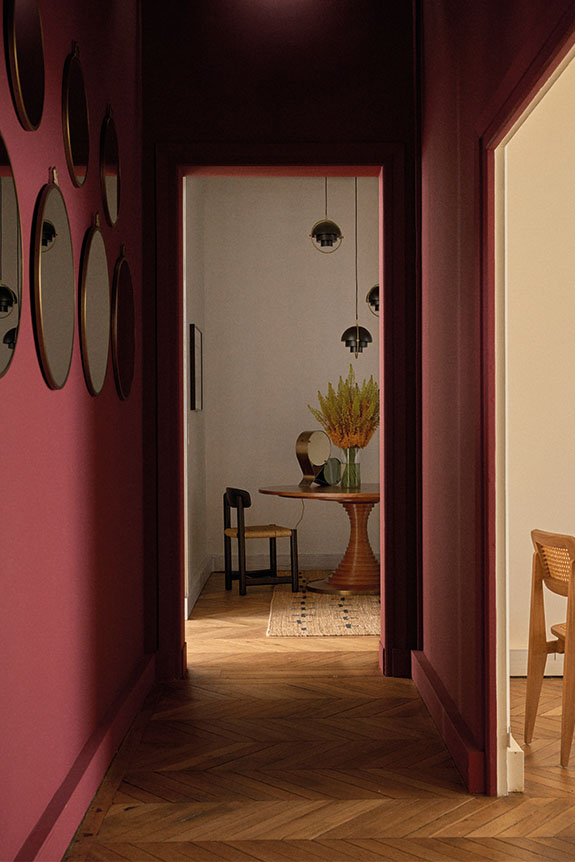
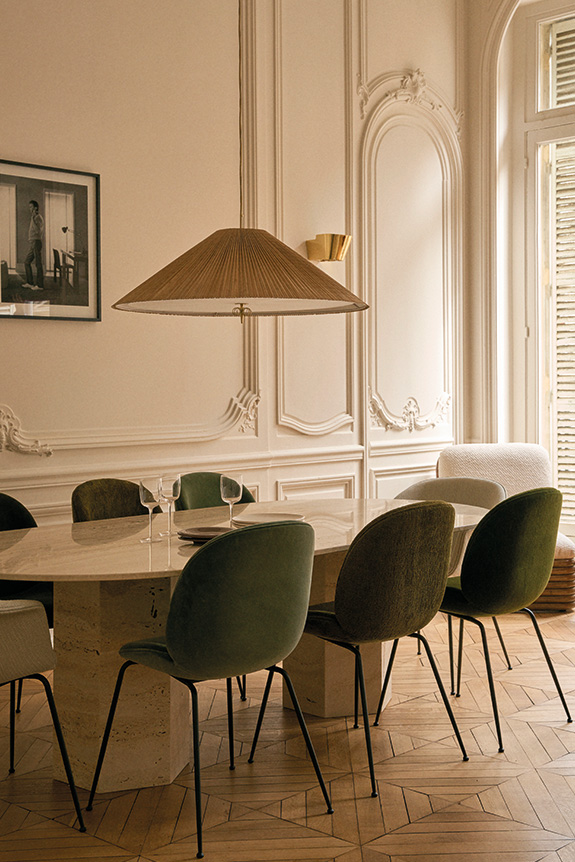
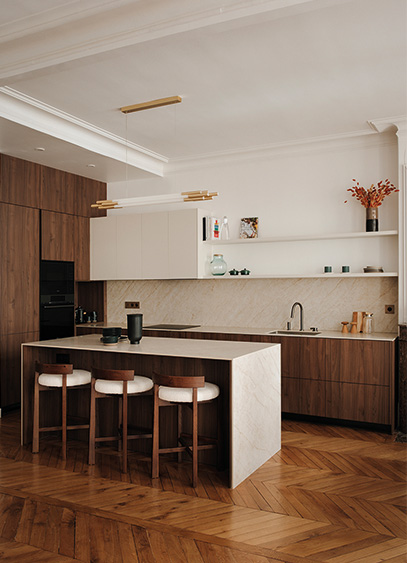
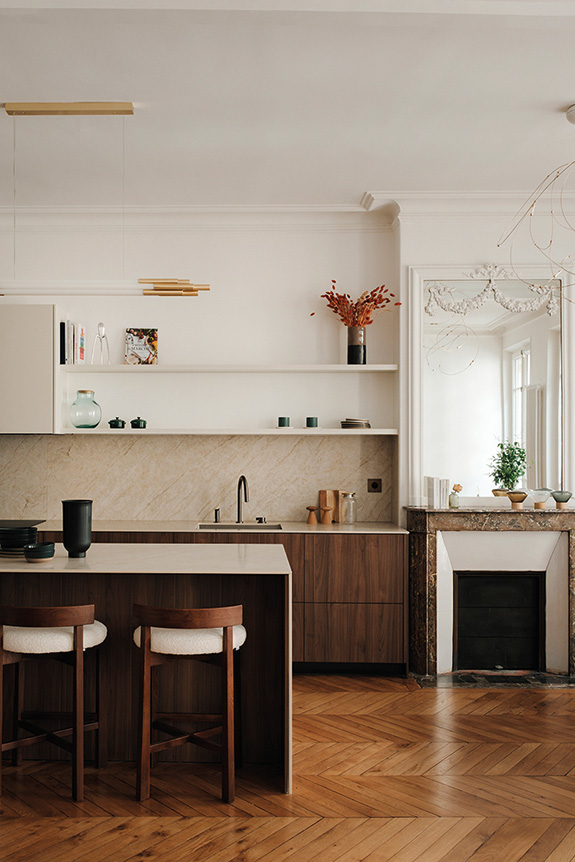
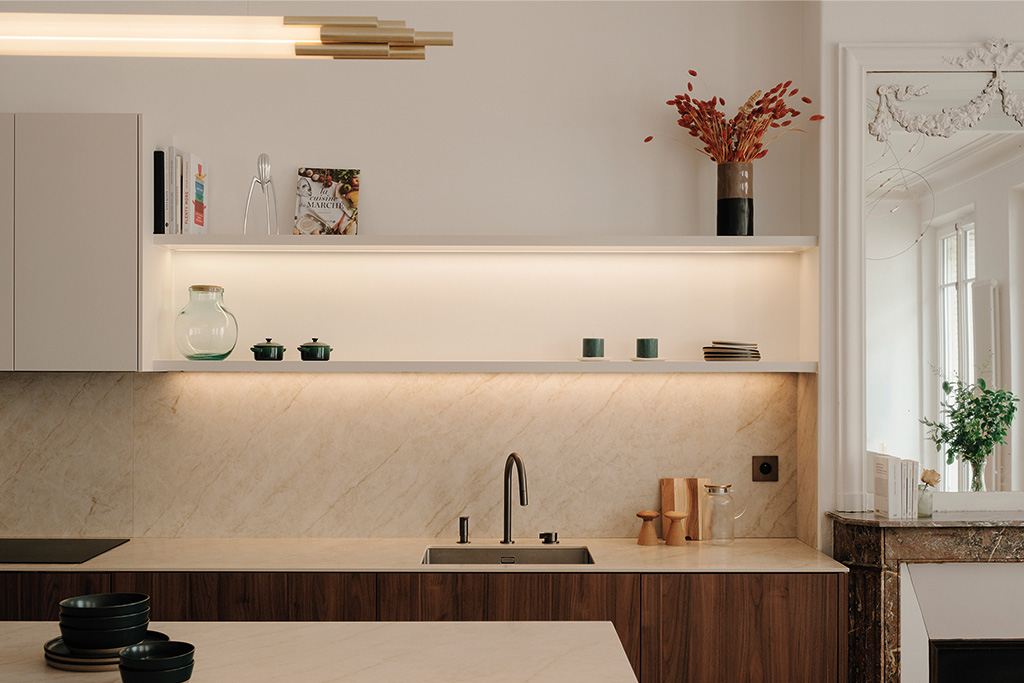
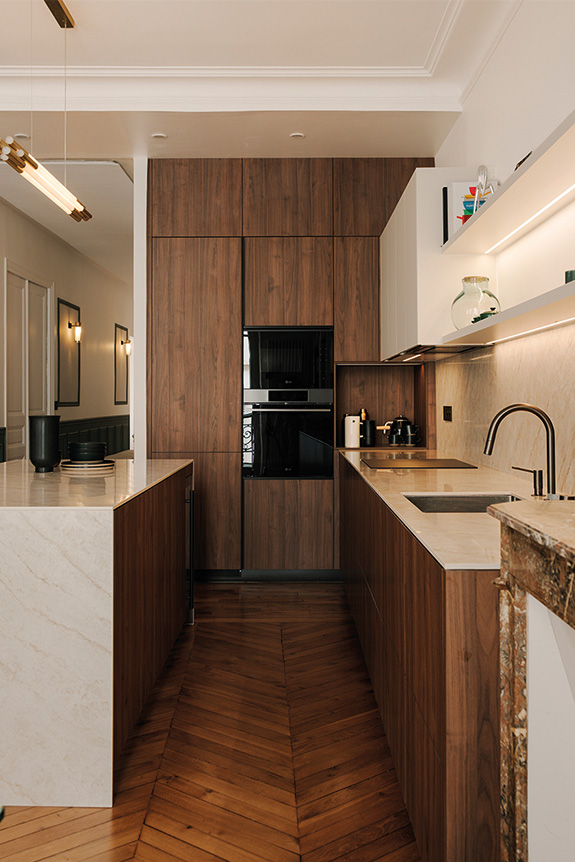
What sets GUBI House Paris apart is the intimacy of the space. It is a real apartment, with a strong identity defined by moldings, fireplaces, and architectural details. We didn't impose a concept on the space; we worked with what was already there, and the result integrates naturally into the city's context. The collection isn't staged; it is embedded in a lifestyle specific to Paris. The way the rooms flow into one another offers a more emotional and sensory experience, making it feel less like visiting a showroom and more like stepping into a private home.
What are your long-term ambitions for this space?
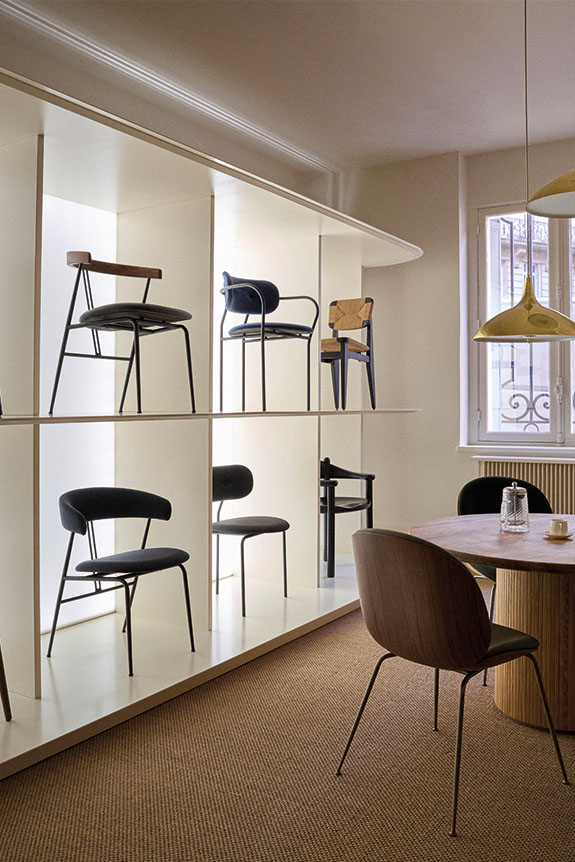
We envision GUBI House Paris as an evolving platform rather than a static space. It will continuously transform through new installations, product launches, and collaborations, ensuring that every visit offers a different perspective. At the same time, we want to make it a place for exchange, where we host dinners and gatherings that bring together designers, architects, and creatives from various disciplines. Ultimately, our ambition is for the House to become a part of the city's cultural fabric—a place where we share ideas, not just objects.
Beyond this major opening, are there other projects in development, new launches, special projects, or upcoming collaborations?
GUBI is a brand in constant evolution, both in its collections and in how they are presented. Alongside new creations and reissues from the archives, collaborations remain essential to broadening our perspective. A recent example is our partnership with Bonacina 1889, with whom we reissued Tito Agnoli’s P3 lounge chair and P3S chaise longue. This collaboration combines over a century of Italian rattan craftsmanship with GUBI’s contemporary vision, reflecting our shared commitment to material integrity and sustainable design.
Are other GUBI Houses in the works?
Our approach with these GUBI Houses is to grow with discernment. Each location is based on the same concept, yet shaped by its specific context. Together, these spaces form a network of venues that interpret our collections through different cultural lenses. Moving forward, we will continue to explore new locations where there is a strong alignment, with the same intention: to create authentic, unique spaces that are deeply rooted in their environment.

.svg)


.svg)