




For Maria Porro, the 2026 Salone del Mobile, between "economic and cultural infrastructure"
For its 64th edition, Salone del Mobile.Milano is reaching a decisive milestone. As a market infrastructure, cultural platform, and laboratory for experiences, the event is redefining its role on the international stage. Its president, Maria Porro, breaks down this transformation for us.
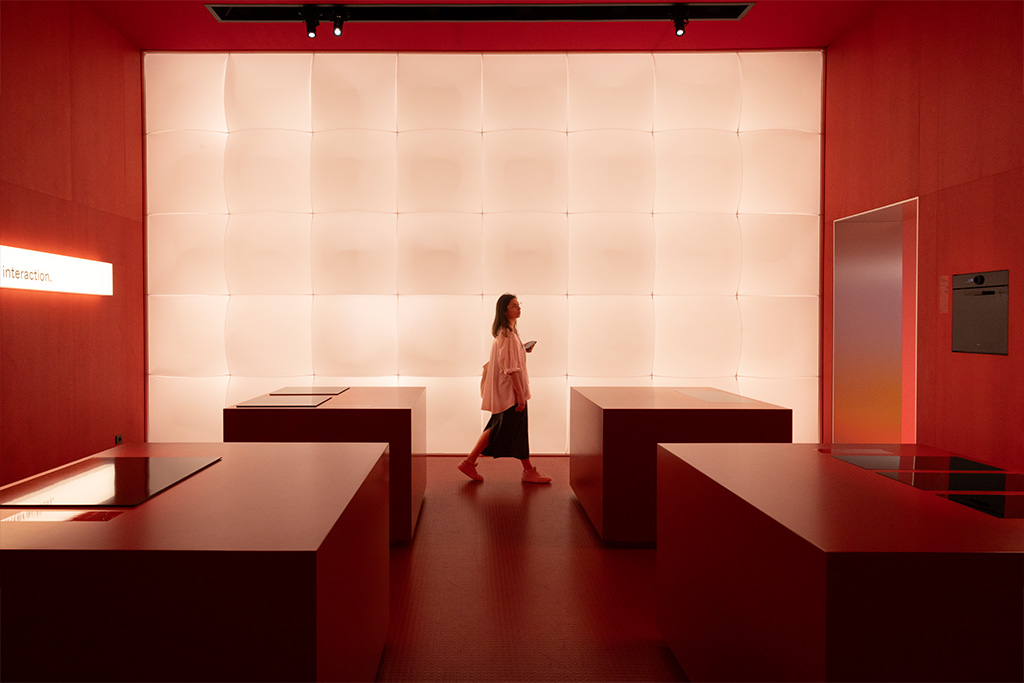
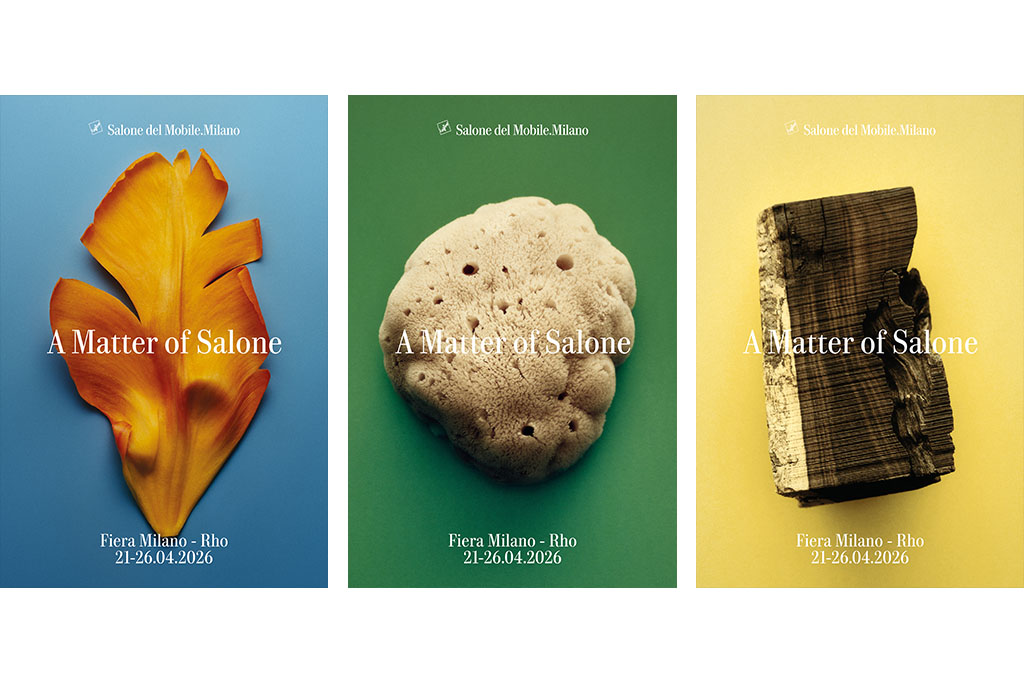
From April 21 to 26, 2026, Salone del Mobile will bring its latest creations to the Lombard capital, gathering over 1,900 exhibitors across the vast aisles of Europe’s largest exhibition center. Beyond the sheer scale of this major event, the 64th edition stands out for its embrace of new paradigms. In a shifting geopolitical and economic landscape, the event is recalibrating its position as a global player. With the launch of Salone Contract, developed with OMA, the introduction of Salone Raritas dedicated to collectible design, and the immersive Aurea experience, the Salone is broadening its scope and strengthening its transdisciplinary approach. At the intersection of economic, cultural, and experiential challenges, the Salone has established itself as a convergence point for industry, design, and emerging markets—a strategic vision championed by its president, Maria Porro.
To start, could you explain the Salone’s new positioning?
The Salone was founded over sixty years ago. Compared to the market of that era, we are living in a completely different context today, marked by the shock of COVID and the acceleration of transformations that were already underway. One of the major shifts is in furniture retail. In the past, few companies had single-brand showrooms, whereas today, it is an increasingly common trend. More generally, the brand and its communication have become central. At the same time, the contract sector is playing an increasingly important role in business development. Geographic regions that were not accustomed to residential contract projects are now getting involved. It is a massive sector in terms of revenue and is highly international. The Salone is transforming to remain a stable and reliable platform. It is becoming more of an economic and cultural infrastructure, and these two dimensions are closely linked.
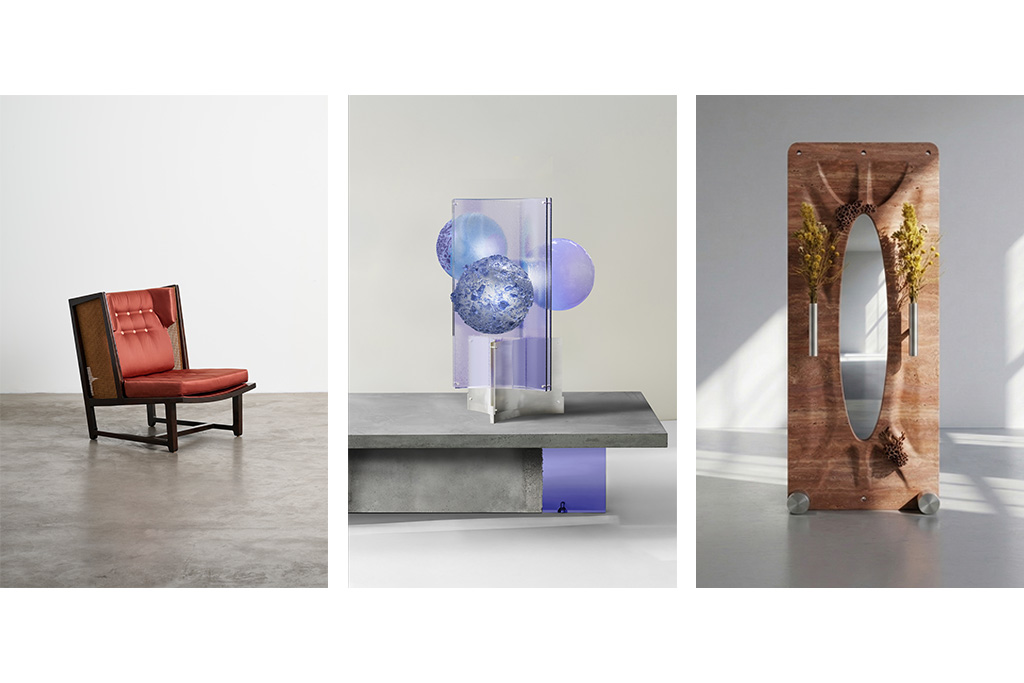
And regarding design, how is it evolving? We are seeing a significant shift between industrial design and collectible design, particularly with Salone Raritas.
Yes, we are seeing a growing demand for bespoke interiors. At the extreme end of this demand is the collectible market, with increased attention on artisanal techniques and the rediscovery of ancient craftsmanship. This is accompanied by an interest in production in locations far from industrial hubs. I would also add that there is a global craze for iconic or vintage pieces. That is why we are launching Salone Raritas. This sector is not on the fringes of the Salone; it truly complements industrial production. If you take the example of a large hotel, industrial production meets all the practical needs, such as the rooms and common areas, but there is always a set of specific pieces designed especially for that space. In the contract world, the strong collaboration between industrial production and unique, one-off pieces is nothing new. This dialogue has always existed, as seen with figures like Andrea Branzi or William Morris, who felt the need to combine industry with craftsmanship.
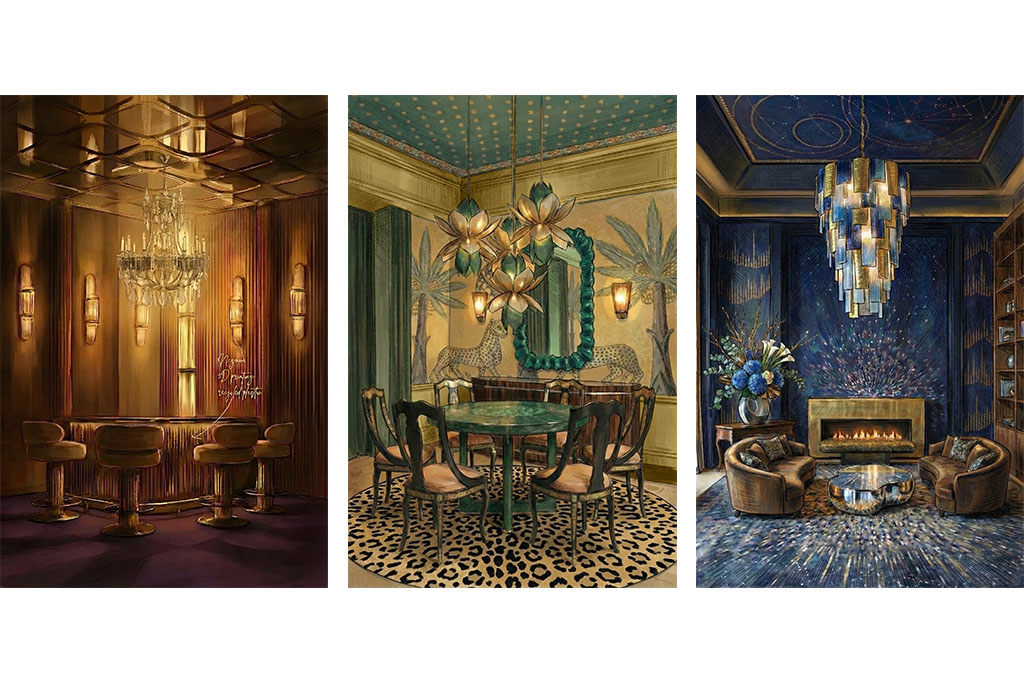
At the same time, you are offering Aurea, an immersive experience centered on luxury, created by Oscar Lucien Ono. Can we say that with contract, B2C, and hospitality, the Salone is becoming a global platform?
We have nearly two thousand exhibitors, all very diverse in terms of aesthetics, price, techniques, and materials. But our audience is also interested in broader experiences. Companies are effectively building architectures and environments. This is not a fair centered on the product, but on the project. With Aurea, just as with Pierre-Yves Rochon last year, we are creating immersive experiences where the architect utilizes the full range of what the Salone has to offer. There is a coherence to our approach, but it also involves speaking out and fostering dialogue between different players. Visitors can discover companies, live immersive experiences, participate in moments of exchange, or listen to a master of architecture like Rem Koolhaas. It is a complete experience for professionals. We haven't forgotten students either, with the Satellite, which is essential because they represent the players of tomorrow.
Speaking of which, you are hosting about 700 young designers under 35. Do you think you can still discover the next Patrick Jouin or the Bouroullec brothers, as Marva Griffin’s Satellite did years ago?
Yes, that is very important. There is also the fact that these young designers are in direct contact with the industry, which is fundamental. That is why, this year, we are organizing a day where several entrepreneurs will visit the Satellite, meet with students and young creatives, and share their experience. We want to encourage these face-to-face exchanges. I was a young designer myself, and sending projects by email often leads to no response. On the other hand, presenting a prototype in person creates a different dialogue and captures the attention of entrepreneurs. That is essential for us.
Today, is the diversification of the Salone also a way to reinvent itself in the face of other fairs like Collectible in Brussels or 3daysofdesign in Copenhagen?
This is not a competitive strategy. Companies are already combining industrial production, retail, contract work, and sometimes experimental pieces. This diversity reflects a natural evolution of the market. Collectible design fairs primarily target collectors, whereas the Salone offers galleries a different audience, such as developers, hotel chains, and distributors. We act as an accelerator. Similarly, events dedicated to the contract sector are often highly technical. Our goal is to offer an event centered on projects and relationships, with a focus on how we live. In today’s world, there is no room for two identical events. We are therefore seeking to offer a different approach, without overlapping with what already exists.


.svg)


.svg)