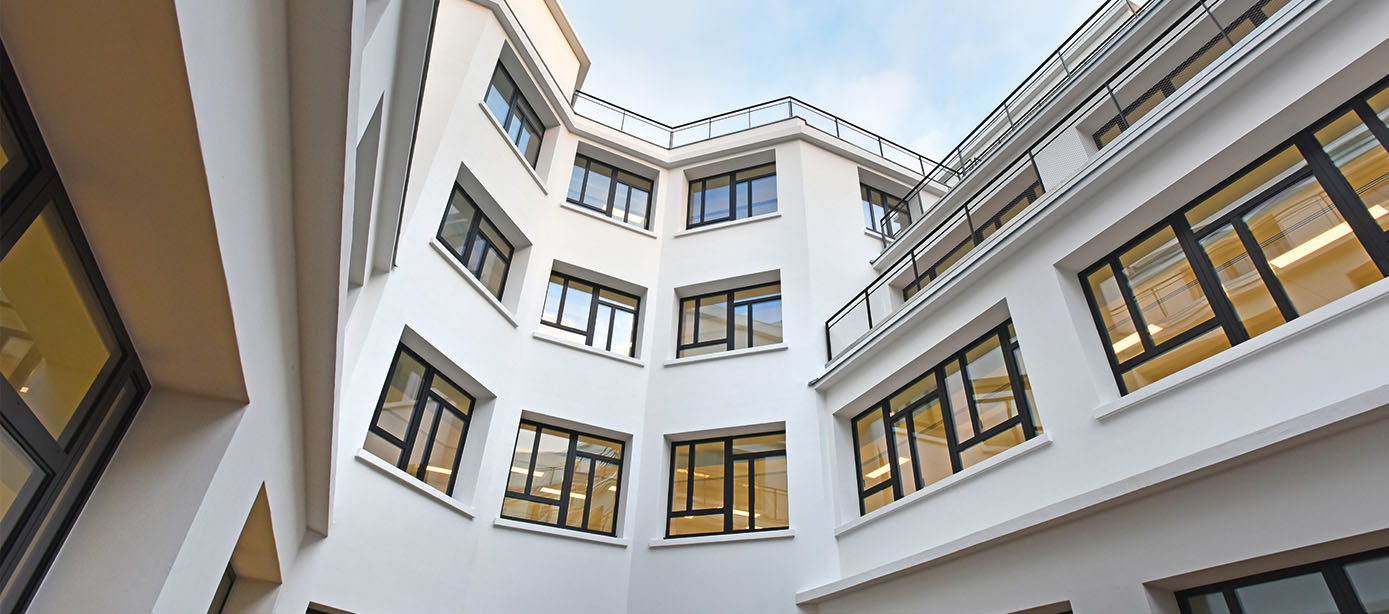
The 2026 Quality Meetings: quality as a driver

The 2026 Quality Meetings: quality as a driver

The SNFA, the professional trade association representing designers, manufacturers, and installers of aluminum exterior joinery, is hosting the 2026 Quality Summit on June 18th. Discover the program, key themes, and the latest industry news.

‍

" Designing a building means ensuring its longevity. Today, quality is no longer an option, but a regulatory, environmental, and ethical imperative," says Dominique Thomasson, President of the SNFA. The LABEL façadealu and LABEL fenêtrealu, supported by the SNFA and audited by SOCOTEC, embody this vision: combining technical performance, durability, and responsibility. As we approach 10 years of excellence, we invite you to discover how these labels are transforming practices within the French aluminum industry, now featuring CSR and Environmental certifications to meet the challenges of tomorrow.

Save the date: The Quality Summit

When? Thursday, June 18, 2026 | 2:00 PM – 6:00 PM

Where? Maison Férou, Paris 6th (Saint-Sulpice Metro, line 4)

Why attend?

The SNFA, the professional trade association representing designers, manufacturers, and installers of aluminum exterior joinery, is hosting this event to:

- Promote certified companies (35 for fenêtrealu, 12 for façadealu).

- Encourage new members to adopt the LABELS, which serve as key differentiators for architects.

- Increase awareness of the LABELS among specifiers.

- Build connections between key industry players (architects, manufacturers, project owners).

On the agenda:

  • Panel discussions with experts:
    • Aluminum facades: balancing performance, low carbon, and industry best practices with Marc Franco, Coldefy; and Loïc Soria, Ouest Alu.
    • Aluminum windows: how to ensure production quality? With Maxime Runtz, Somalu; and Igor Ferreira, CARE Promotion.
  • Case studies:
    • La Hay-aux-Roses Gymnasium (aluminum and energy performance).
    • Certified projects: traceability, compliance, and sustainability.
  • Focus: New CSR and Environmental requirements for the LABELS (mandatory from August 2026 under the Climate & Resilience Law).
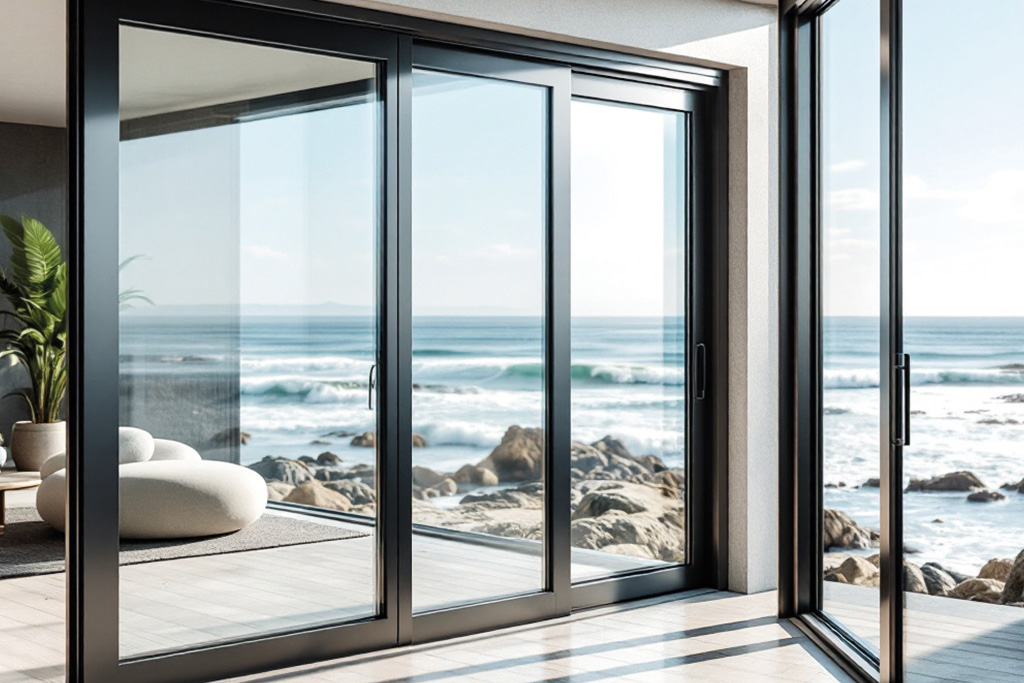
© SNFA

2026 Key Figures: A Sector in Motion

The Fenêtres alu label represents: 35 companies, 81% of SNFA members, a 12% increase compared to 2020 + an environmental certification.

The Façade alu label represents: 12 companies, 46% of SNFA members, 26 renewed audits + CSR and environmental certifications.

SNFA labels: unique guarantees for architects.

Why are these LABELS essential?

The LABEL fenêtrealu and LABEL façadealu are the only French labels that guarantee:

- Compliance with standards (NF DTU 36.5 for windows, NF DTU 33.1 for facades).

- Full performance traceability (AEV, Uw, Sw, TLw).

- Independent third-party audit (SOCOTEC) for objective quality.

- Access to government subsidies (eco-PTZ, CEE, 5.5% VAT) via RGE certification.

"The fenêtrealu LABEL has allowed us to meet Qualibat and RGE requirements while structuring our continuous improvement process" says Christophe Gaffié, Sales Director at Somalu.

What the LABELS guarantee

fenêtrealu LABEL: Manufacturing quality

  • Adherence to industry best practices: NF DTU 36.5 + NF EN 14351-1 standard.
  • Certified components:
    • CEKAL glazing.
    • QUALANOD/QUALIMARINE surface treatments.
    • Design validated by DTA (Technical Application Document).
  • Guaranteed performance:
    • Minimum AEV: A3 E4(A/B) V*A2.
    • Controls: Initial testing + annual self-inspections (1 to 3 tests per product family).
    • Traceability: Performance labeling by product family.

façadealu LABEL: Comprehensive expertise (design, manufacturing, installation, maintenance)

  • Adherence to industry best practices:
    • NF DTU 36.5 (windows) + NF DTU 33.1 (curtain walls).
    • CSTB/COPREC/SNFA technical data sheets + RAGE professional standards.
  • Certified components:
    • CEKAL glazing.
    • QUALANOD/QUALIMARINE/QUALIDECO surface treatments.
    • Design validated by DTA, Technical Assessment, or APEx.
  • Quality control:
    • Documented FPC (Factory Production Control).
    • On-site installation: Pre-acceptance report + participation in formal handovers.
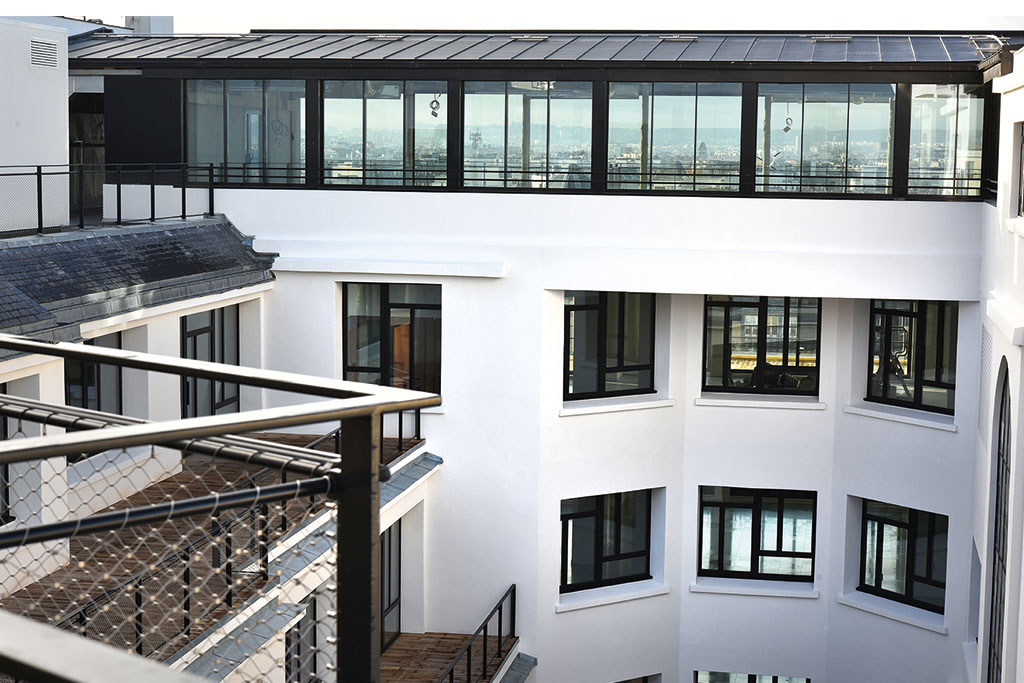
© PCA Architecture

‍

New 2026 Certifications: CSR & Environment

 Environmental Certification (for façadealu AND fenêtrealu)

  • Optimal waste management:
    • Affiliation with an approved eco-organization (building EPR).
    • Packaging optimization + closed-loop aluminum recycling.
  • Decarbonization:
    • Regular monitoring of energy consumption.
    • Voluntary prevention plan.
  • Designated manager: For the implementation of environmental actions.

CSR Certification (for façadealu only), based on 3 pillars

Economic :

- Economic sovereignty : 100% French manufacturing.

- Support for the local economy.

Social :

- Working conditions and well-being.

- Equal opportunity and risk prevention.

Environment:

- Responsible purchasing.

- Climate change mitigation.

Starting in August 2026, the Climate & Resilience Law will mandate CSR criteria for public procurement. SNFA LABELS allow you to get ahead of this requirement.

Architect testimonials:

"Specifying certified joinery ensures that the manufacturer has validated every step, from design to installation. For us, it provides peace of mind on the job site." Romain Viault, DPLG Architect (speaker at the 2026 Quality Meetings)

"The façadealu LABEL allowed us to secure the energy performance of the La Hay-aux-Roses gymnasium, with air and water tightness validated by SOCOTEC." Djamel Kara, Co-manager ROPA&Associés Architects

"Thanks to the fenêtrealu LABEL, we reduced our non-conformities by 30%. The SOCOTEC audit helped us structure our quality system." Grégoire Chamousset, CEO of ALUVAL

In short, the labels represent:

  • 10 years of high standards : The LABELS will celebrate their tenth anniversary in 2026, with a 95% renewal rate.
  • 100% French manufacturing : Holders commit to producing in France, using aluminum alloys that comply with European standards.
  • SOCOTEC audits : A guarantee of impartiality for specifiers.
To register for the Quality Meetings, click on this LINK.

Rédigé par 
La rédaction

Vous aimerez aussi

Temps de lecture
12/11/2026
Third Line: A prize to reinvent materials

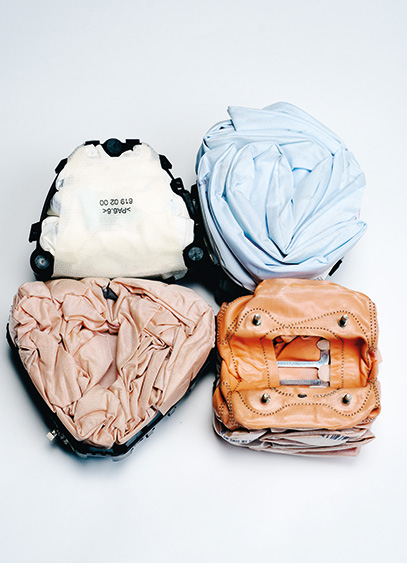
With Third Line, the French group GPA, specializing in automotive recycling, is launching a new design prize aimed at exploring the creative potential of materials sourced from end-of-life vehicles. For this inaugural edition, artists and designers are invited to imagine new uses for an unexpected material: the airbag. The call for entries is open until January 31, 2027.

‍

What happens to automotive materials when they can no longer be recycled? This is the question the GPA group, a family-owned business based in the Drôme region specializing in automotive recycling, aims to answer with the launch of Third Line. Conceived as a biennial event, this new prize intends to foster a dialogue between contemporary creation and industrial expertise by inviting artists and designers to rethink the uses of materials that are currently underutilized. Each year, GPA processes more than 45,000 vehicles and manages to recycle and recover an average of 99.7% of their mass. However, certain materials, such as foams, leathers, and airbags, remain difficult to recycle. It is precisely these materials that Third Line seeks to view through a new lens, turning design into a true field of experimentation.

The airbag as a creative material

For this first edition, the focus is on the airbag, a technical polyamide textile known for its lightness and mechanical strength, but which currently lacks any suitable recycling stream. Prize applicants are invited to explore its properties to imagine a piece of contemporary, functional furniture intended for corporate spaces.

A prize bridging research and production

Open to artists and designers, the Third Line prize includes a €10,000 award and offers support that goes beyond mere financial reward. The winner, to be announced in the spring of 2027, will be hosted at GPA starting in September 2027 for a research and production residency. They will be able to develop their project in collaboration with the company's teams, as well as local artisans and technical partners, through to completion. Ultimately, the goal of each edition will be to explore a different material, gradually building a collection born from this encounter between creation and industry.

More information and registration here: https://www.groupe-gpa.fr/third-line-prix-du-design/

Temps de lecture
10/11/2026
The Trophées du Meuble: "Rewarding expertise, and making it known"

For the launch of the first edition of the Trophées du Meuble, Dantès Presse—publisher of Le Courrier du Meuble, Cuisines & Bains magazine, and Concept Bains—has partnered with Intramuros magazine and Maison&Objet. This collaboration will include a major awards ceremony held at the trade show on January 14, 2027. Frédéric Marty, General Manager of Dantès Presse and Editor-in-Chief of Intramuros, and Vincent Lhoste, General Manager of Safi, discuss the ins and outs of this new event.

‍

In 2026, Dantès Presse and Intramuros are launching the first edition of the Trophées du Meuble. What does this event entail, and what is the motivation behind this initiative?

Frédéric Marty: The positioning of our various magazines—Le Courrier du Meuble, the historic B2B publication for the furniture industry; Cuisines & Bains magazine and Concept Bains, which are leaders in the kitchen and bathroom sector; and Intramuros, the reference for design—gives us a comprehensive view of the furniture market. We realized that while these different fields, all centered on home furnishings and interior architecture, have their own competitions and awards, they lack connections and bridges between them. The main idea behind the Trophées du Meuble is to fill a gap in the market by creating a cross-disciplinary competition that rewards the excellence and expertise of all these companies—industrial or artisanal—without which designers' creations could never come to life.

How have market players responded, and where do we stand with the schedule as of early November?

Frédéric Marty: We received a very positive response right away, which encouraged us to see this project through. Today, there is a lot of talk about collectible design, limited editions, and exclusive creations, but not enough about industrial design or the expertise of manufacturers and artisans—which is remarkable in France and Europe and forms the foundation for the quality and large-scale distribution of our products. We must pay tribute to and support all these companies that invest, innovate, and take risks. To fulfill this role, the Trophées du Meuble are divided into 11 categories—such as living room, outdoor furniture, eco-furniture, contract, etc.—with three awards in each (First Prize, Jury’s Special Prize, and Public Prize, totaling 33 awards). These will be decided by an independent jury composed of experts from each sector to eliminate any risk of bias or insularity. Regarding the schedule, entries are open until December 15, 2026, which will allow the juries to deliberate before the end of the year, leading up to the awards ceremony on January 14, 2027, at Maison&Objet.

Vincent Lhoste, President of Safi © Anne-Emmanuelle Thion

Maison&Objet is a major event in our sector that needs no introduction, but the concept has evolved significantly in recent editions. Could you give us an overview of its main features?

Vincent Lhoste: Today, Maison&Objet is much more than just a trade show. It is an ecosystem that supports professionals throughout the year through our physical meetings, our digital platform MOM, and the events that bring design to life in Paris: Paris Design Week in September and In the City in January. Our ambition remains the same: to create meaningful connections between brands, specifiers, distributors, and buyers, and to provide them with the means to launch new projects. Our two Parisian events have complementary identities. In September, Maison&Objet Pulse focuses on movement, innovation, and new ways of living and creating. It is a time for exploration, open to trends and possible futures. In January, Maison&Objet Premier asserts a more premium dimension, with a particular focus on excellence, craftsmanship, and exceptional signatures. This edition also broadens the perspective from the object to the space and new uses, particularly in high-end decoration and the Contract sector.

The partnership between Maison&Objet and the furniture industry has a long history. What is the profile of the furniture brands that exhibit at the show, and why is this event valuable to them?

Vincent Lhoste: The show brings together a diverse range of profiles: established houses as well as newer brands, publishers, manufacturers, and designers. They share the same high standards for design, quality, and differentiation, with offerings ranging from furniture to interior design solutions and projects for the hospitality or Contract sectors. For these brands, Maison&Objet is a place for visibility and commercial development. They can present their collections, meet international buyers, distributors, and specifiers, and also test their proposals against market trends. The show creates the conditions for exchanges that can lead to concrete projects, listings, and orders.

Frédéric Marty, General Manager of Dantès Presse and Editor-in-Chief of Intramuros

‍The first Trophées du Meuble awards ceremony will take place next January at Maison&Objet Premier, which runs from January 14 to 18. Why did you choose this event?

Frédéric Marty: From the moment we launched our competition, Maison&Objet expressed its desire to be our partner, and our teams met to work together on developing the best possible project. Maison&Objet is indeed the ideal partner because of its cross-disciplinary view of the market: the show covers almost all sectors of the home, hosting numerous furniture profiles for both residential and contract use, which are covered by our various magazines. Our publications and the show are complementary: the winners of the Trophées du Meuble, as well as all participants, will benefit from editorial coverage in our columns, but also from the resonance of Maison&Objet and all the media coverage of the event by French and international print and web publications. Our goal is to give the widest possible audience to the creativity and expertise of the players in our markets.

Why is Maison&Objet Premier, which will hold its first edition in January, the right venue to host the Trophées du Meuble?

Vincent Lhoste: Maison&Objet Premier is a particularly fitting setting to host these Trophées because it highlights the excellence, innovation, and expertise that drive the industry forward. Furniture has always held an important place in the history of our show, and the new Maison&Objet Premier concept, held in January, offers furniture brands a prime platform for expression. The Trophées du Meuble, organized by Le Courrier du Meuble with Intramuros, Cuisines & Bains Magazine, and Concept Bain, recognize companies, innovations, and expertise in the worlds of furnishing, design, and Contract. Their presence at Maison&Objet Premier gives visibility to those who are advancing these sectors. It also reflects our desire to foster dialogue between the different trades of interior design and to celebrate the initiatives that contribute to their transformation.

Information and registration:https://lestropheesdumeuble.fr/

Temps de lecture
10/11/2026
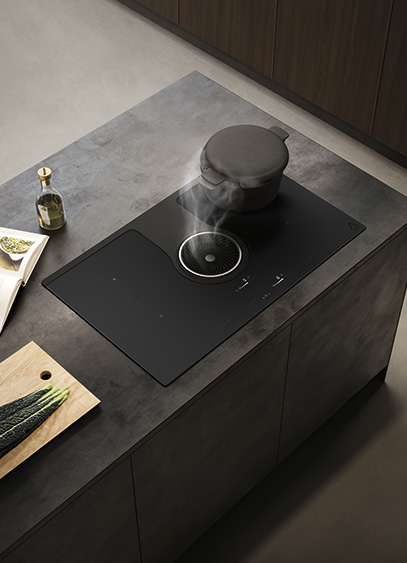
With Matte Black and Raw, Elica showcases every facet of black

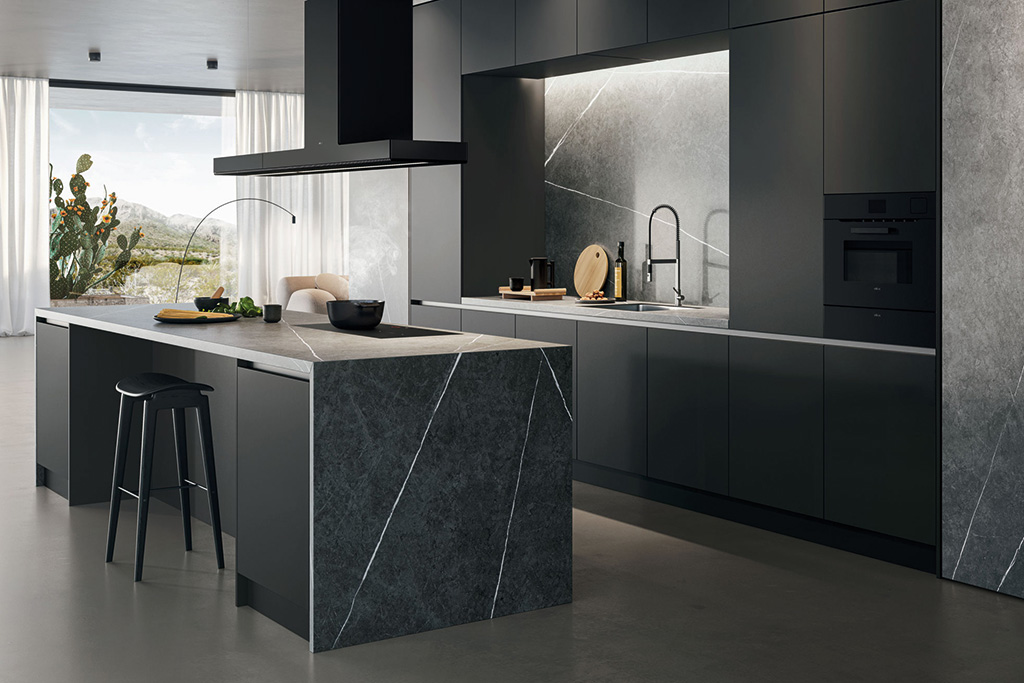
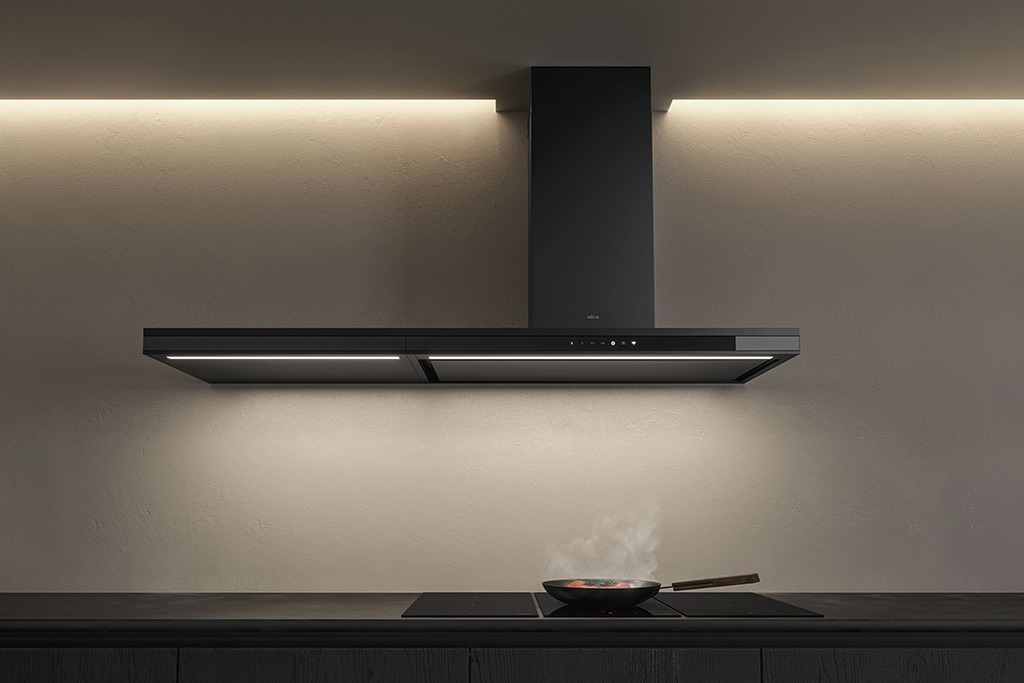
With its Matte Black and Raw finishes, Elica explores the aesthetic and technical possibilities of matte black in the kitchen. From hoods and cooktops to ovens and lighting, the Italian brand is developing a shared design language where style, innovation, and functionality meet.

Long favored for its elegance and understated appeal, matte black has established itself as a definitive finish in the world of kitchen design. Elica embraces this trend through two complementary offerings: Matte Black and Raw. Designed as a cohesive aesthetic thread, these finishes adorn various product types—from hoods and ovens to the Luna lamp—allowing for visual continuity across appliances. This approach reflects the evolution of the kitchen, now viewed as a true living space where technical equipment plays an integral role in interior design.

© Elica

Raw: material meets utility

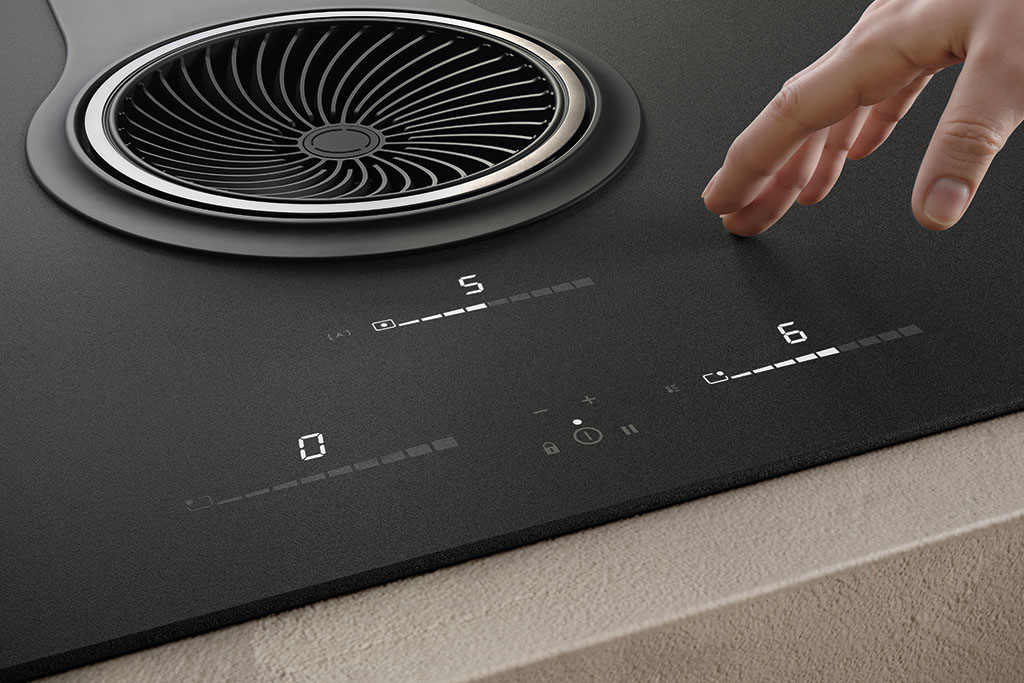
Beyond its aesthetic qualities, matte black has become a playground for innovation at Elica. With Raw, the brand has developed a matte black glass finish that combines material research with practicality. Applied notably to NikolaTesla aspiration hobs, induction cooktops, and the Lhov cooking system, this finish stands out for its textured look and technical properties. Designed to withstand the rigors of daily use, the sophisticated Raw finish makes cleaning and maintenance significantly easier: its surface is resistant to scratches from pots and utensils, as well as fingerprints. The Matte Black surface also offers effortless daily cleaning.

© Elica

Through Matte Black and Raw, Elica moves beyond the simple question of color to treat finish as a fundamental element of kitchen design. It is a way of rethinking appliances, where the material no longer just covers the object, but actively contributes to its function and identity.

© Elica
Temps de lecture
9/11/2026
Didheya x Iratzoki Studio: stainless steel reinvented

Specializing in the design and manufacture of stainless steel products for over 30 years, the Basque brand Didheya is opening a new chapter in its history with Urban Furniture. This new line of furniture, developed in collaboration with Iratzoki Studio, consists of five collections designed for both public and private spaces.

‍

Founded in 1994 in Irun, in the Spanish Basque Country, Didheya has built its expertise around working with stainless steel. Initially specializing in hardware and architectural accessories, the brand gradually diversified into the transport sector, notably developing equipment for trains, subways, and buses. Today, it aims to apply this industrial expertise to furniture through Urban Furniture, a line conceived in collaboration with Iratzoki Studio that marks a new stage in its development.

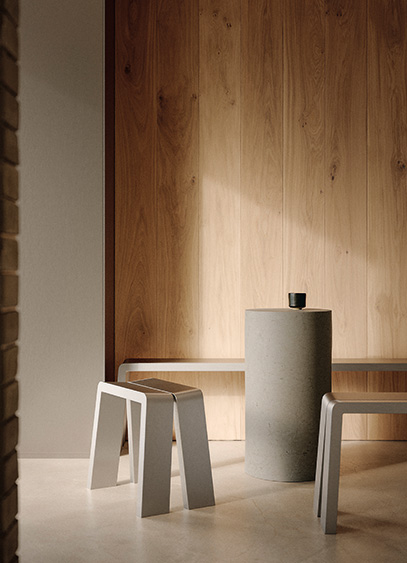
Aroa collection, design: Iratzoki Studio © Didheya

Five collections at the crossroads of design and industry

The result of a long-standing relationship between Didheya and Basque designer Jean-Louis Iratzoki, this collaboration is unveiled through five collections titled Hanka, Hodi, Aroa, Ingude, and Luze. Beyond the design of the pieces, the project is based on a shared reflection on materials, manufacturing processes, and usage, with the aim of offering furniture that is functional, durable, and capable of integrating into various environments.

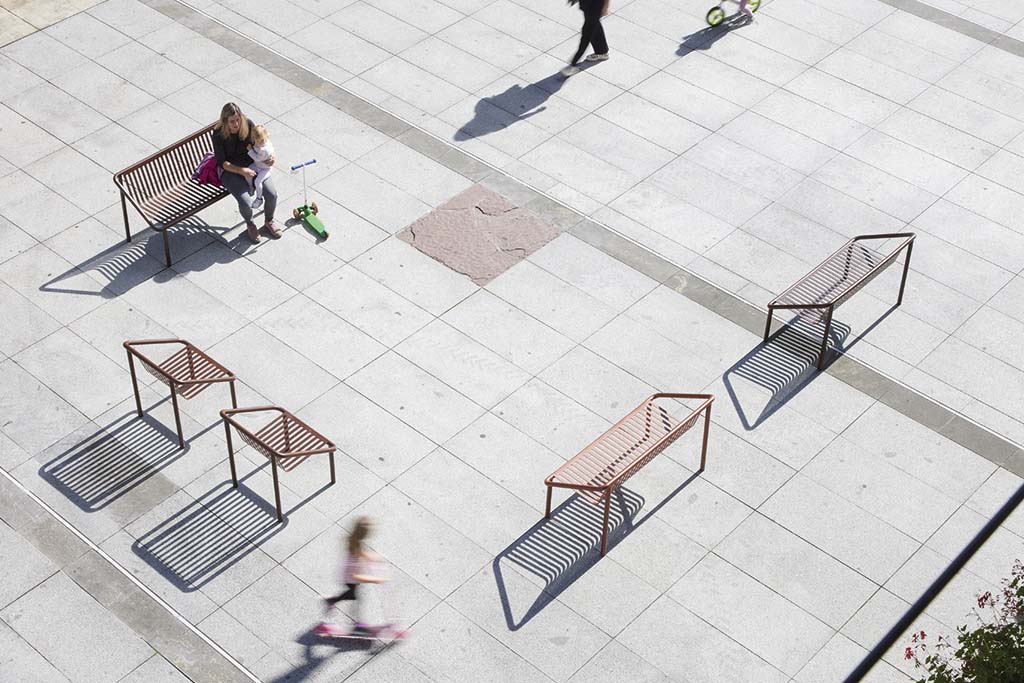
Hanka collection, design: Iratzoki Studio © Didheya

Stainless steel, Didheya's material of choice, serves as the common thread throughout the collections, sometimes combined with solid wood, concrete, or stone. "Our work focused on stainless steel, with an opening toward outdoor furniture intended for both public and private spaces. We sought to design durable, resistant, easy-to-maintain, and environmentally friendly products,"explains the designer.

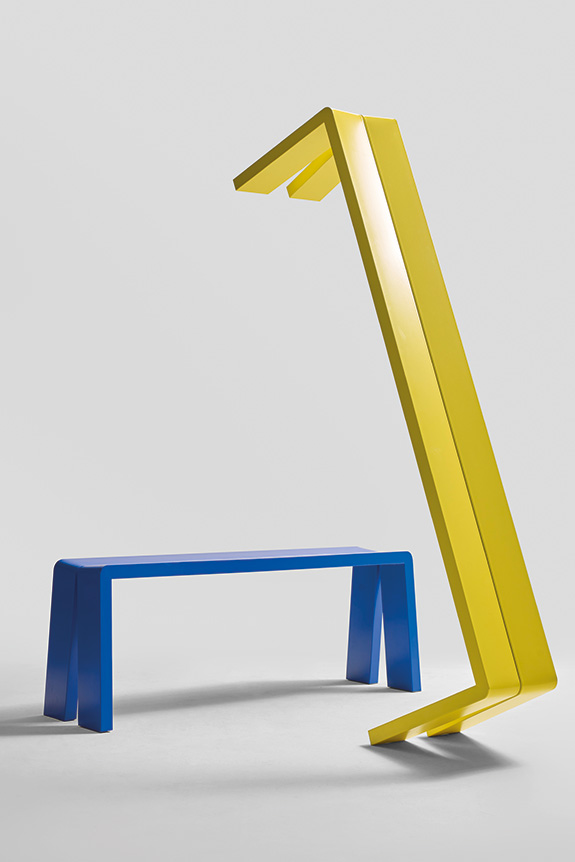
Luze collection, design: Iratzoki Studio © Didheya

Initially conceived for outdoor use, these collections stand out for their versatility and the diversity of their finishes, allowing them to also find their place in interior spaces. From urban squares to university campuses and hotel common areas, they demonstrate a desire to go beyond the mere function of furniture to make it an integral part of the architecture of a space.

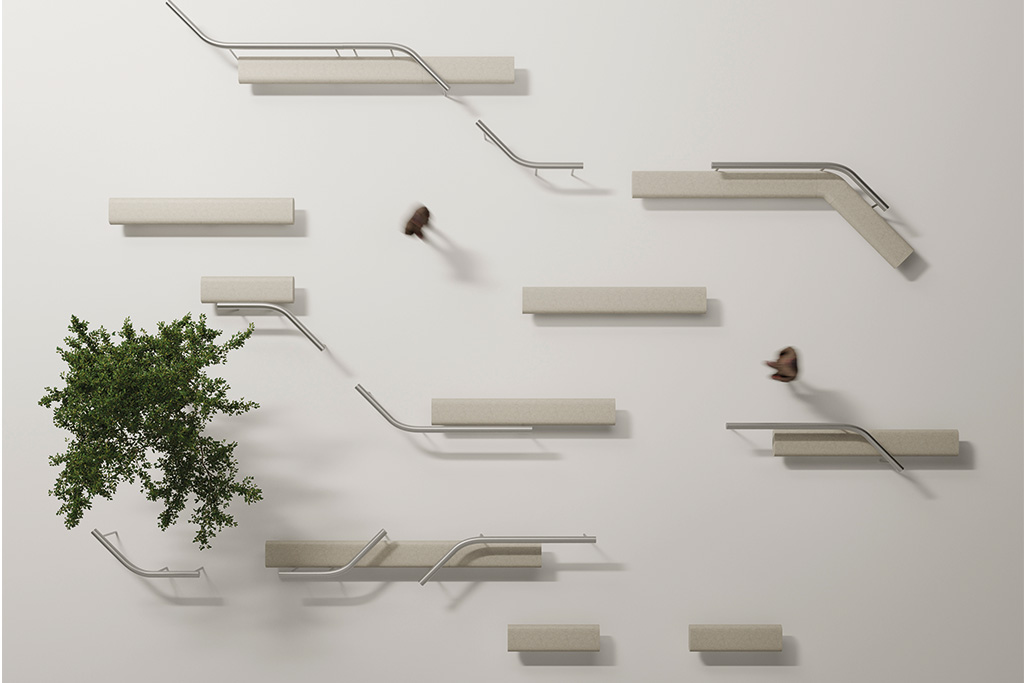
Captions: left, Ingude collection, design: Iratzoki Studio © Didheya / right: Hodi collection, design: Iratzoki Studio © Didheya

Inscrivez-vous à notre newsletter pour recevoir chaque semaine l’actualité du design.