




Jean-Philippe Nuel, Inner Island
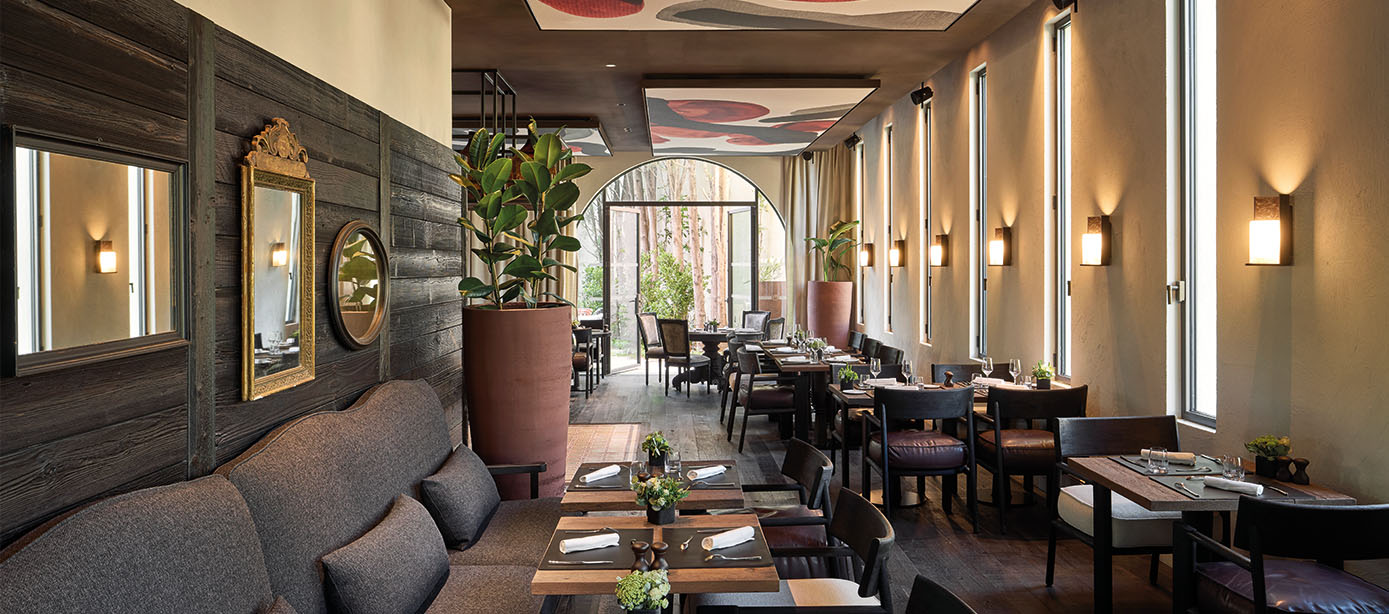
At L'Isle de Leos MGallery Collection, Jean-Philippe Nuel has created a project deeply rooted in the soul of L’Isle-sur-la-Sorgue, far removed from the interchangeable standards of contemporary hospitality. Here, the space is intended to be intimate and discreet—a sanctuary between sun and water, while remaining open to one of the most charming towns in Provence.
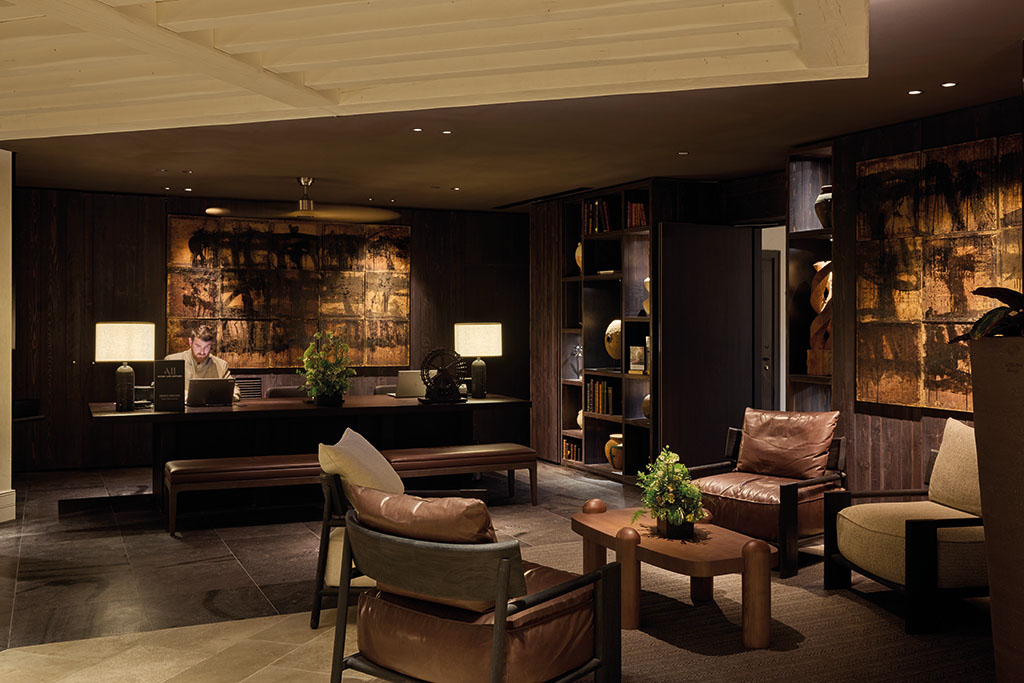
Nestled in the heart of this Provençal town shaped by water, antique dealers, and a rich artisanal history, the property embraces a form of almost domestic discretion. More than just a hotel, Jean-Philippe Nuel has imagined a home that opens itself to its surroundings, a place where the traveler is invited to step into an atmosphere before even entering the architecture itself. This approach, true to the architect and designer’s signature vocabulary, relies on a subtle tension between sophistication and simplicity. Reclaimed wood, stone, patinated metal, and mineral plasters: the materials feel as though they have always belonged here. The reclaimed wood adds tactile and emotional depth, while the omnipresence of water runs through the project like a soothing narrative thread.
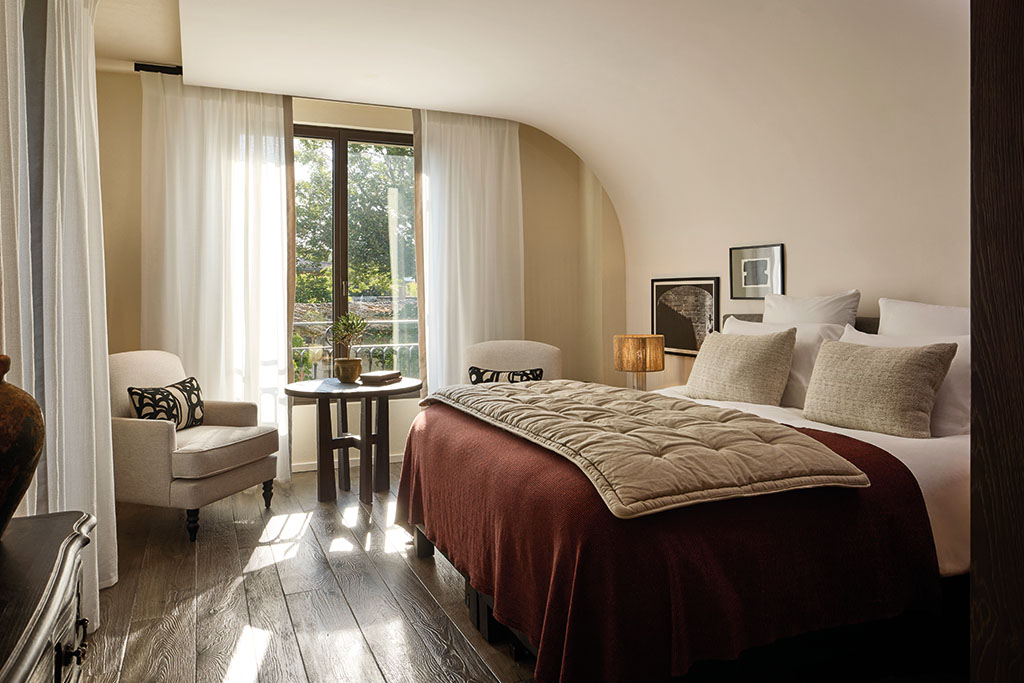
For Jean-Philippe Nuel, luxury is never expressed through ostentation. Instead, it resides in the quality of textures, the precision of proportions, and that rare ability to create a sense of effortless belonging. At L'Isle de Léos, this design language is also nourished by local heritage: antique furniture engages in a dialogue with contemporary pieces in a masterfully balanced way, intentionally blurring the lines between a private residence and a hotel.
Architectural Objects
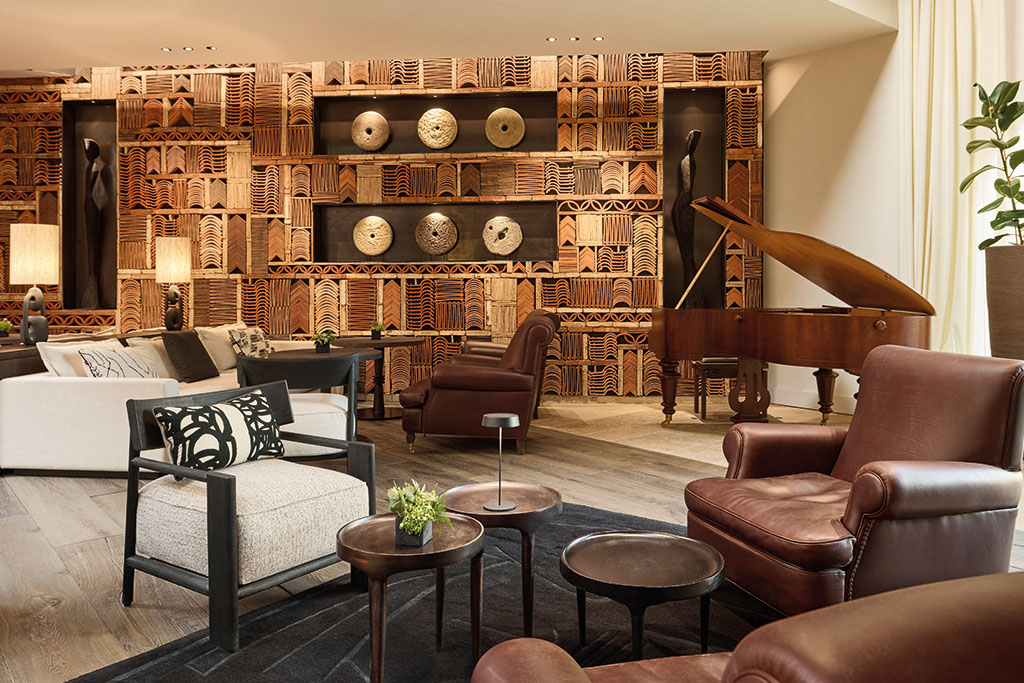
Beneath a vast glass roof, the metal bar, the Provençal fireplace, and the wine cellar stand as autonomous architectural objects that structure the space. Here again, Jean-Philippe Nuel invokes the industrial memory of L’Isle-sur-la-Sorgue without ever resorting to pastiche. The raw metal of the bar echoes the town’s former factories, while the wall of Provençal tiles, treated as a contemporary composition, transforms a vernacular element into a scenographic gesture. This ability to bridge heritage and modernity runs throughout the entire project—from the restaurant, where the proximity to the river and the water wheel invites the landscape into the interior experience, to the ceiling with its “Sarments” watercolors, which evoke the world of winemaking with their deep reds and blacks.
Sensitive Hospitality
The guest rooms extend this quest for a more sensitive form of hospitality: bathrooms partially open onto the living space, while stone basins recall the sinks found in traditional Provençal homes. Rustic floors, textured plasters, antique chests of drawers, and unique layouts—everything seems designed to steer the visitor away from the standardized codes of the hotel industry.
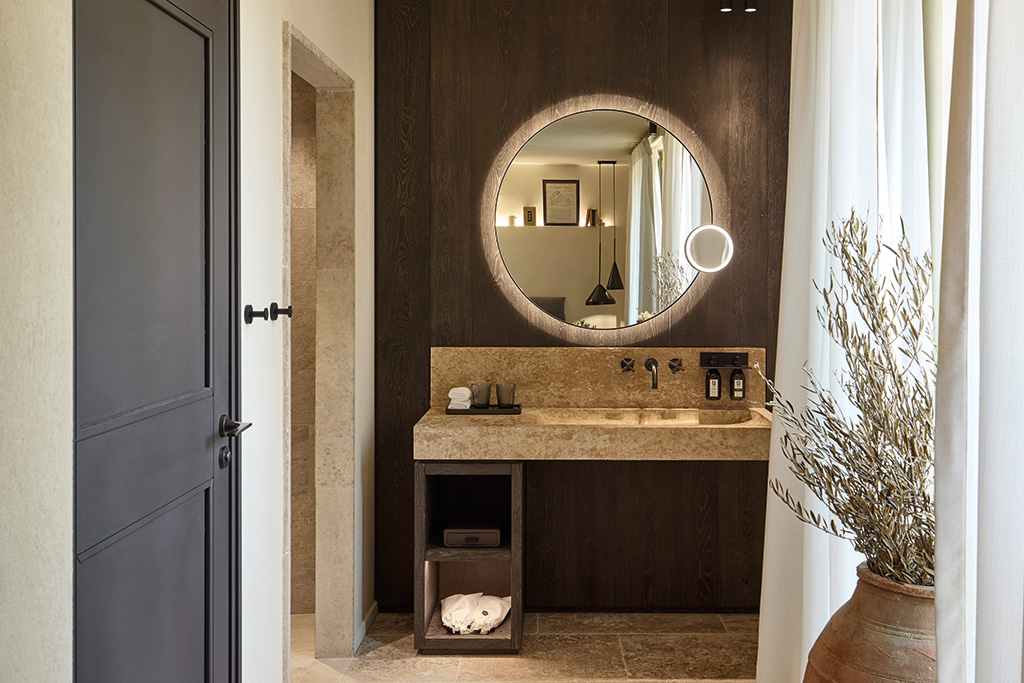
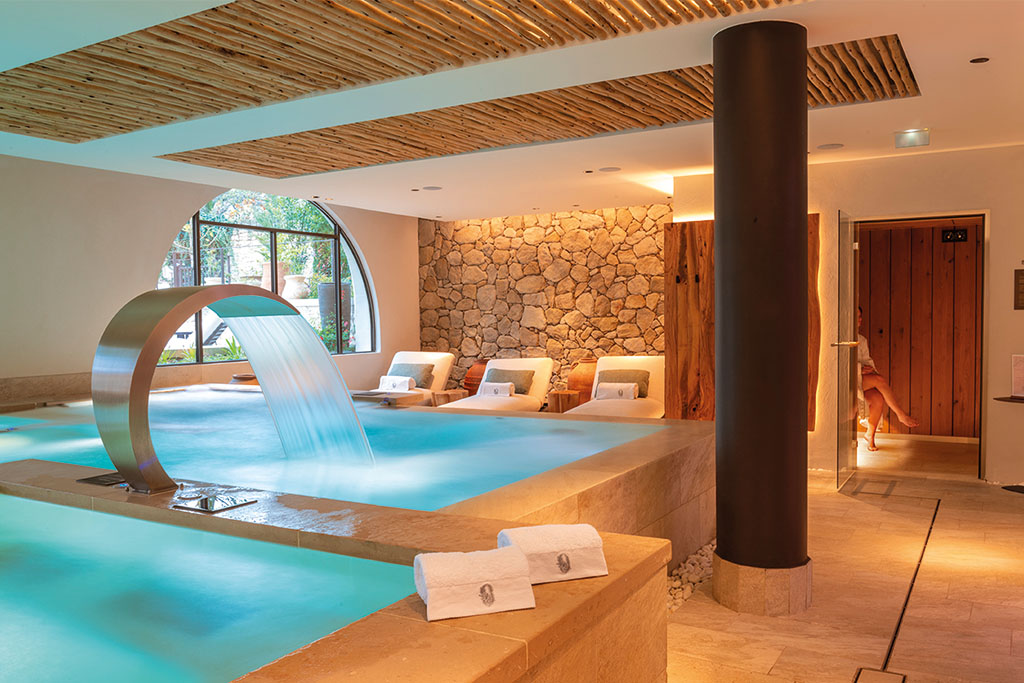
Inspired by traditional Provençal washhouses, the spa also avoids clichés by developing a mineral, soft, and intimate aesthetic, defined by open arches, dry-stone walls, and a raised pool with wide coping. Once again, this is a way of anchoring the architectural gesture in a local collective memory rather than in a fantasy of luxury. Much like its creator, Jean-Philippe Nuel, the project represents a meeting between hospitality expertise and sensitivity—an interior architecture that prefers cultural sincerity over superficial allure.
More information: https://www.jeanphilippenuel.com/
L'Isle de Leos MGallery Collection: https://isledeleos.com/

.svg)


.svg)