

In Montpellier, Pierre Paulin takes center stage
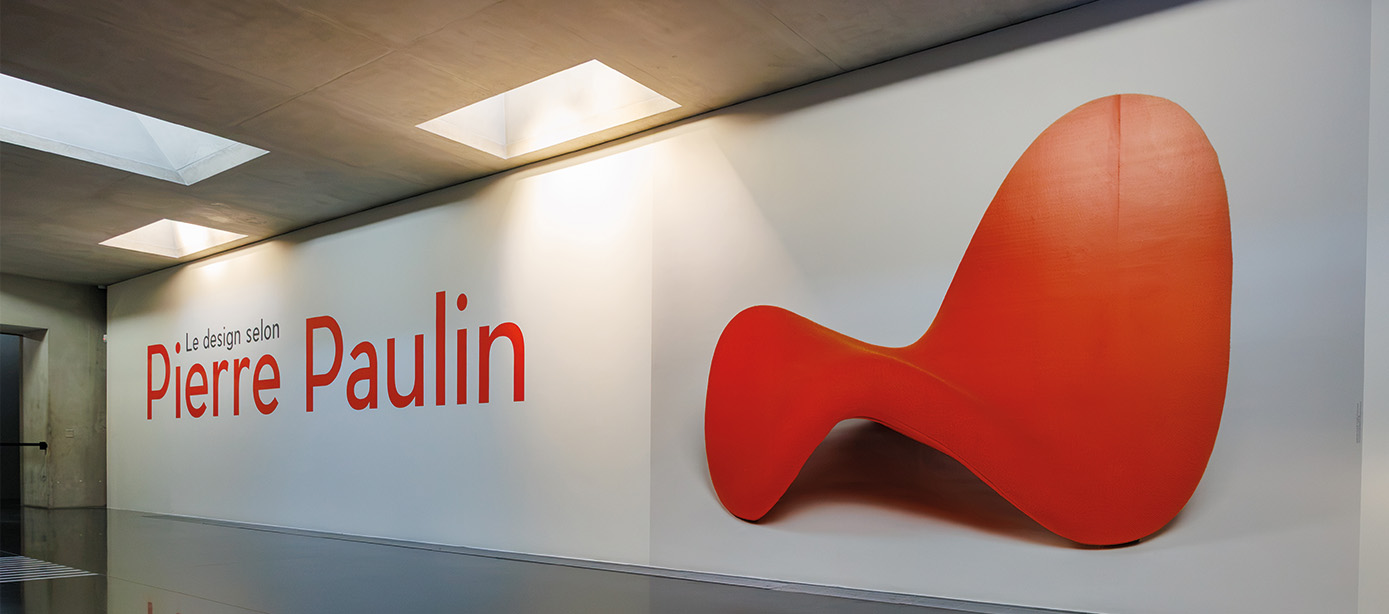
At the Musée Fabre in Montpellier, the exhibition "Design according to Pierre Paulin",open until November 1st , looks back on over fifty years of work by a designer who turned material into a field of perpetual experimentation.
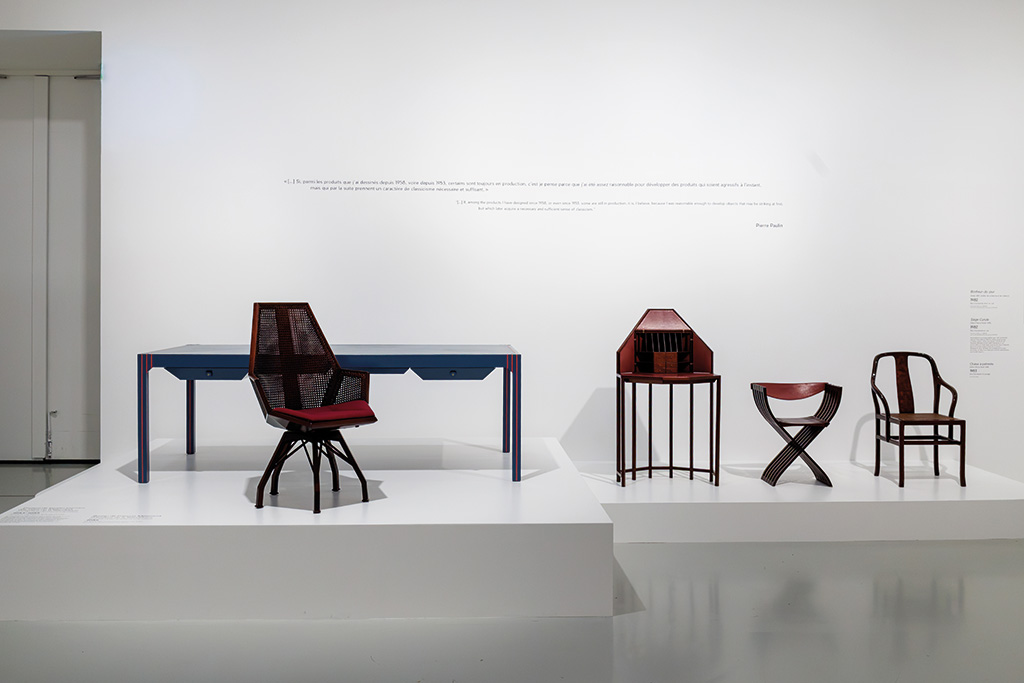
Curves, color, and form—always. But this time, the Musée Fabre in Montpellier is dedicating its temporary exhibition space to design. With "Design according to Pierre Paulin," the institution explores over 50 years of work by a designer obsessed with form, running until November 1st. He was a creator who never stopped pushing the boundaries of seating to give shape to some of the most iconic silhouettes of the 20th century. Influenced by his maternal great-uncle, Frédy Balthazar Stoll, a sculptor trained in Rodin’s studio, and his paternal uncle, Georges Paulin, an automotive designer known for inventing the Éclipse system—which allowed vehicle roofs to retract into the trunk—Paulin drew from two main influences: form and functionalism. This modernist mindset, which he studied as an interior architecture student at the Centre d’Art et des Techniques (now Camondo), was also found in the interwar works of Charlotte Perriand and Jean Prouvé, whom he admired. From this influence, the "Première réalisation" armchair was born. Conceived as a prototype, it already revealed a clear aptitude for design, prompting him to create his first pieces inspired by Scandinavia, where he stayed in 1951. Quickly produced by Thonet Frères and Meubles TV, and then exhibited at the Salon des Arts Ménagers in 1953, the designer embarked on a modernist path, trading Nordic geometry for organic forms.
The birth of the Paulin aesthetic
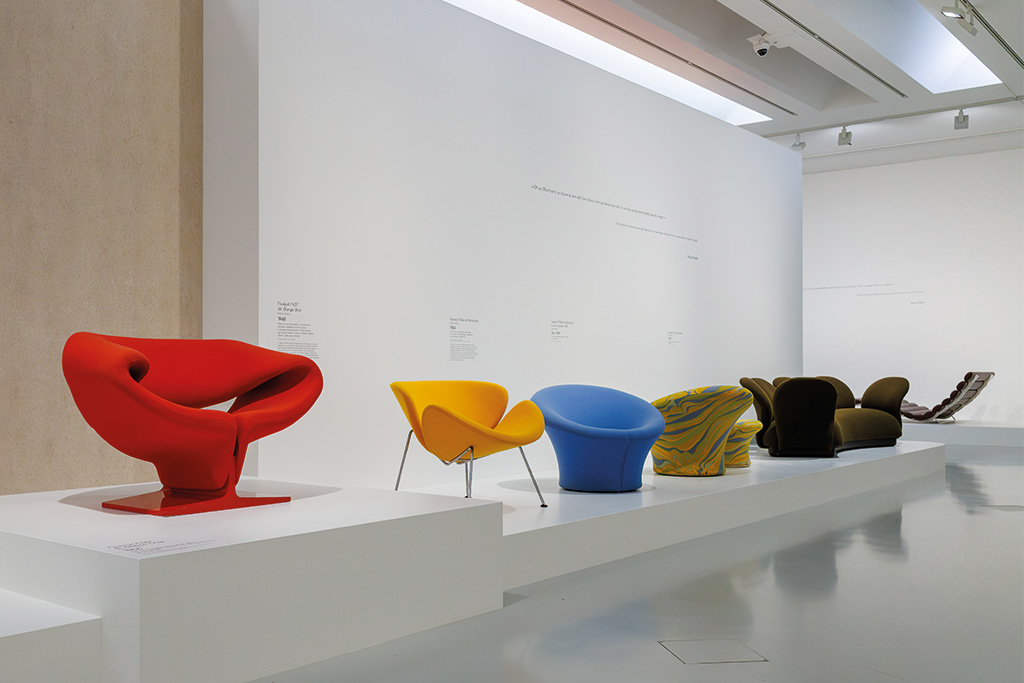
Far from the interior designers who revolutionized the first half of the 20th century, Paulin belonged to the second half—the era of industry. The arrival of new fibers, including jersey, a flexible and elastic textile that symbolized the industrial revolution of the 1960s, opened up new possibilities for him. He began to imagine new forms. Among them, the Groovy and the Mushroom chairs defined the decade and gave him the image of a colorful era, thanks in part to figures like Kho Kiang Ie, artistic director of Artifort, and American textile designer Jack Lenor Larsen, with whom Paulin developed a new language. This unique dialect on the design scene earned him a place at MoMA in 1969—three years after he helped launch the ARC, initiated by Jean Coural—thanks to the F300 and the Tongue Chair. The latter was a seat so low that he had been told it could never be marketed. Yet, it became one of the designer's greatest successes, as he believed that seat height influences human interaction within a space.
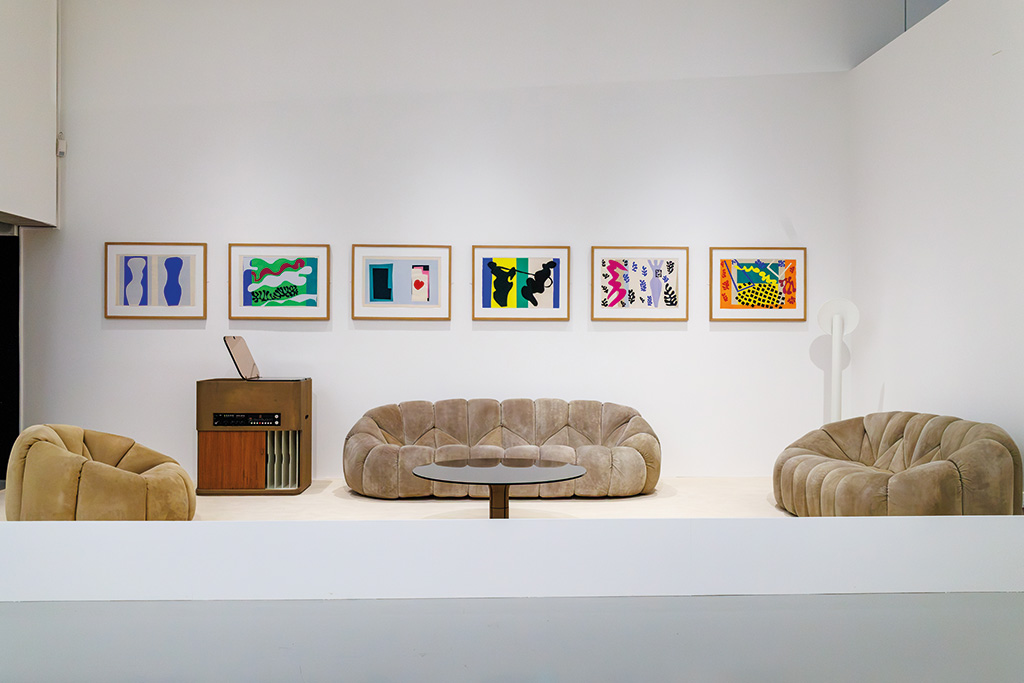
Paulin also approached this relationship with space through a mobile structure developed for trade shows. Many years later, this reflection led him to the private apartments of the Élysée Palace, where he designed the famous smoking room for the Pompidous. This realization was an emblem of his talent, which he later tried to export across the Atlantic through a collaboration with Herman Miller and the development of the "open loft" concept. The project fell through, perhaps too ahead of its time at the dawn of the 1970s.
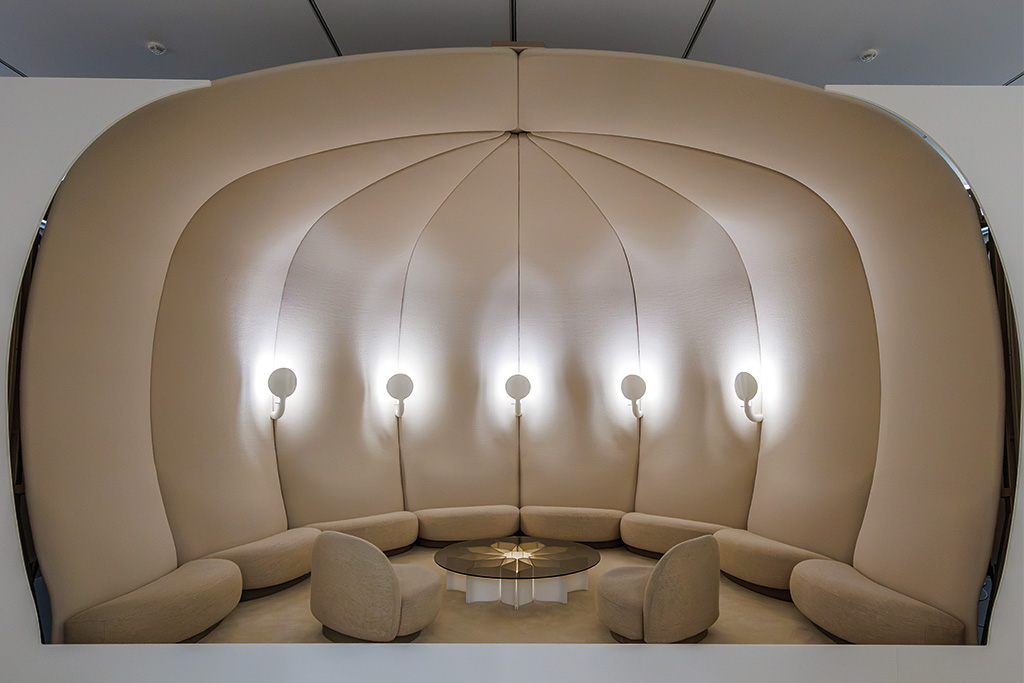
Design shaped by innovation
From craftsmanship to the concept of removable covers, and through the exoskeleton structures of the Vague armchairs or the Cathédrale table, Paulin never ceased to interweave concepts, innovations, and styles. This continued until the end of his life, when he returned to an Art Deco aesthetic that emphasized geometry. This is still evidenced today by the carpets housed in the Economic, Social and Environmental Council in Paris, initially based on the plans for the competition won by Buren at the Palais-Royal, or the desk designed for François Mitterrand. He maintained this perpetual questioning of his work until the very end, collaborating with Ligne Roset and Magis.
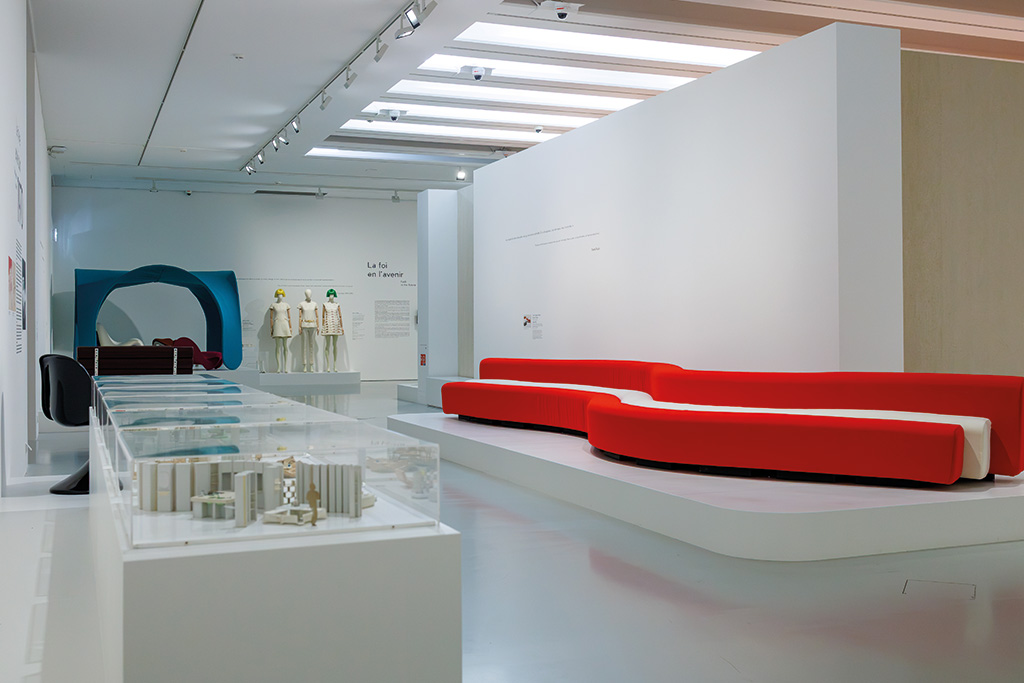
From his first seats to pieces that have become iconic, the exhibition tells the story of a man who turned design into food for thought. It is an opportunity to rediscover—and try out—some of the most famous silhouettes of the 20th century, shaped by a mind that never stopped reinterpreting its own designs so that a modern history could be read through them.