France Design Week 2026: an edition focused on challenges
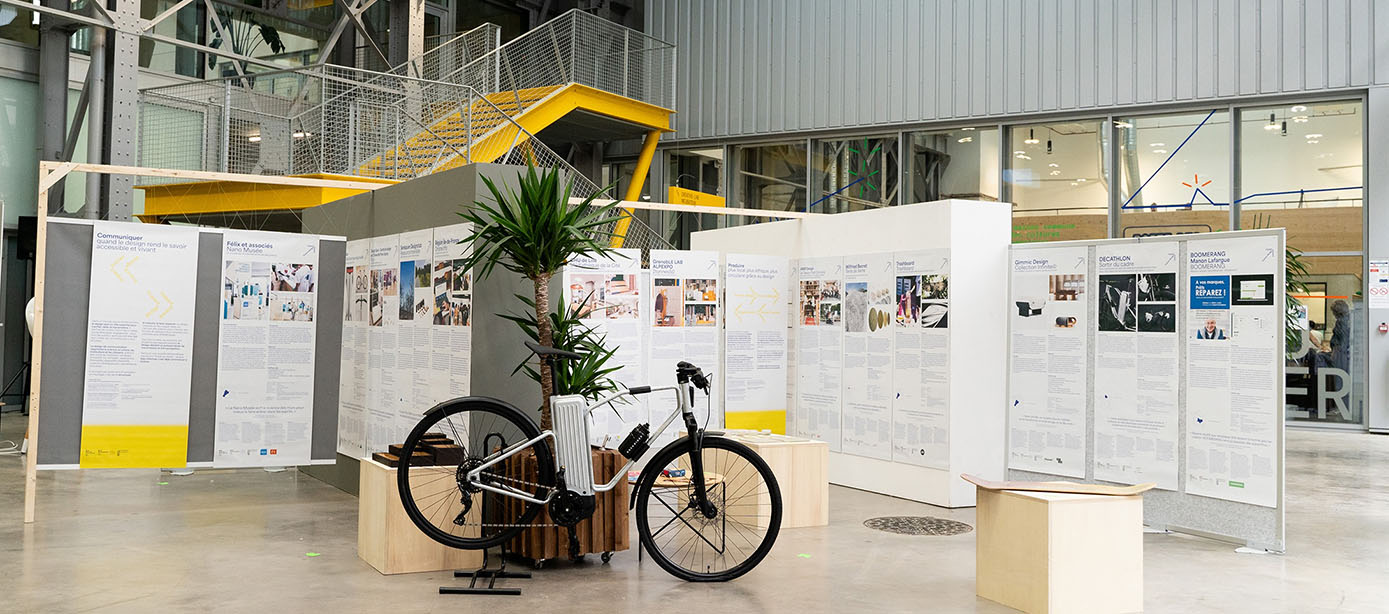
FDIA-5 Exhibition ©Marianne BOUCHET

France Design Week 2026: an edition focused on challenges

From September 18 to 30, the seventh edition of France Design Week will take place across the country with a program driven by design professionals. Centered on the theme "D for Design, D for Defi" (Challenge), this new edition aims to highlight the role of design in addressing environmental, social, industrial, and technological transitions.

From September 18 to 30, the seventh edition of France Design Week will take place across the country with a program driven by design professionals. Centered on the theme "D for Design, D for Defi" (Challenge), this new edition aims to highlight the role of design in addressing environmental, social, industrial, and technological transitions. Coordinated by the APCI (Agency for the Promotion of Design), France Design Week continues its mission to unite the entire French design ecosystem around a shared highlight. Exhibitions, conferences, studio tours, open houses, workshops, and networking events will fill two weeks of programming across the country. Following a 2025 edition that brought together over 322,000 visitors for 700 events, the festival aims to scale up for this seventh edition.

FRANCE_DESIGN_WEEK_2024 ©Lucie Jean-HD-3574 (1)

‍

A patron in tune with the theme

This year, the APCI has chosen industrial designer Ionna Vautrin as its patron. A graduate of ENSCI – Les Ateliers, the designer has made a name for herself through a practice attentive to user needs, developed for industry, public facilities, and heritage projects alike—from TGV train lighting to the liturgical furniture of Notre-Dame de Paris, as featured in issue 218 of Intramuros. Her career path resonates with the annual theme, "D for Design, D for Defi" (Challenge), and invites designers, agencies, schools, companies, institutions, and local authorities to present projects that address contemporary issues. These include ecological transition, inclusion, health, and education, as well as topics frequently brought to the table, such as an aging population and artificial intelligence. "The way people view design is often biased. Behind design, there is a community of people who think and conceive solutions in very different fields," the designer emphasizes.

LaChutothèque_Créapolis_©BastienPlu

‍

A national event that asserts the importance of design

France Design Week was born in the wake of the 2019 National Design Conference and has gradually established itself as the sector's primary unifying event. For the third consecutive year, the event is held under the High Patronage of the President of the Republic. In his editorial, Emmanuel Thouan, President of the APCI, notes that this recognition should primarily serve as an opportunity to reaffirm the role of design in public policy and organizational transformation strategies. According to him, design is now a strategic skill capable of supporting economic, industrial, social, and democratic changes.

The national launch will take place on September 18 in Paris, with a program organized in conjunction with Paris Design Week, including a visit to Notre-Dame de Paris and the presentation of the France Design Impact Award. The closing ceremony will be held on September 30 in Saint-Étienne, at the new National Design Gallery inaugurated this year, where the results of this edition and the festival's future prospects will be presented. In the meantime, here is a sample of events we have selected for you:

‍

Auvergne-Rhône-Alpes - Saint Martin d’Hères

Exhibition: Design facing the challenge of ecological and social transitions

At a time when ecological and social issues are redefining our lifestyles, how can design help imagine concrete and sustainable solutions? Through this exhibition and discussion event, the UGA Design Factory unveils the projects, methods, and experiments it is deploying in the Grenoble area to support these transitions. Combining a conference with a guided tour, the public will discover how design, research, and local action contribute to supporting ecological and social transitions.

‍

Bourgogne-Franche-Comté - Chalon-sur-Saône

Workshop: HEALTH: Caring for the patient experience in 2040

What might the patient experience look like in 2040 in a hospital where artificial intelligence is omnipresent? Through this workshop, participants are invited to explore possible futures for healthcare by embodying different stakeholders in the health system. Between technological innovation, ethical issues, and human relationships, the discussions will question the role of AI in patient care and identify what must remain deeply human in the care experience, despite the changes to come.

‍

Brittany - Brest

Flexible Territories — Textile design in Brittany

At the crossroads of design, art, and craftsmanship, the "Flexible Territories" exhibition explores the connections between materials, expertise, and the Breton region. Through collective textile works created from local resources, it reveals a sensitive map of Brittany, shaped by gestures, landscapes, and encounters. Monumental felting, documentary video, and collaborative weaving bear witness to an approach where creation, knowledge transfer, and regional roots are woven together.

‍

Centre-Val de Loire - Tours

Training: DESIGN & CCI: How to get started as an entrepreneur?

Do you want to turn a creative idea into an entrepreneurial project? This webinar offers students, recent graduates, and project leaders the chance to discover the first steps toward starting a business in the cultural and creative industries. In 90 minutes, participants will explore the challenges, opportunities, and key resources needed to structure their business and bring their professional ambitions in the design sector to life.

‍

Grand Est - Meisenthal

Exhibition: IMPRESSION

Through "Impression," Brazilian designers TomaziCabral explore a unique encounter between the tradition of vegetable fiber weaving and the glassmaking art of Meisenthal. Used as molds for glassblowing, the baskets sometimes burn away under the heat, leaving their patterns and textures imprinted in the material. Between experimentation, craftsmanship, and intercultural dialogue, the exhibition reveals the poetry of a process where disappearance becomes creation.

‍

Hauts-de-France - Lens

Conference: When a brand becomes a destination

Why do some brands become places that people want to visit, recommend, and remember? In this conference, Mariia Kulichkova explores the links between branding, hospitality, and experience to understand how a company can become a true destination. By blending the codes of design, tourism, and hospitality, this meeting examines the role of design in creating memorable experiences and enhancing the appeal of both brands and territories.

‍

Île-de-France - Saint-Denis

Workshop: R for... roots, records, relationships

How can design foster dialogue and strengthen social cohesion in a region so rich in diversity? Through a day of exchange, discovery, and collective creation, the Innovation Laboratory of the Seine-Saint-Denis Departmental Council invites the public to explore the links between identities, memories, and collective action. Featuring inspiring projects and a participatory graphic workshop, this event offers a chance to share perspectives and imagine new ways of living together as a society.

‍

Reunion Island - Étang-Salé

Conference: When design moves the city

Discover how public space planning becomes a tool for inclusion, attractiveness, and revitalization through active design. Over the course of a morning, the 5 key principles of active design will be explored through concrete examples identified on the island. Active design challenges us to get every city and the entire island moving.

‍

Martinique

Conference: Why circular design?

Faced with environmental challenges and resource scarcity, circular design has become an essential approach. This conference explores its principles, practical applications, and the opportunities it offers organizations. Join us to understand how design can help imagine more sustainable products, services, and systems by rethinking production, usage, and reuse cycles.

‍

Normandy - Rouen

Workshop: Design and its applications in education

How has design shaped the evolution of educational practices over time? Through an exclusive tour of its archives, the National Museum of Education invites the public to discover a selection of school furniture and objects from its collections. Dive into the history of design applied to learning and see how forms, uses, and educational spaces have evolved across generations.

‍

Nouvelle-Aquitaine - Saint-Maixent-l’École

Workshop: Challenge your comms: what if your materials were more effective?

What if a few simple adjustments could make your communication clearer, more consistent, and more effective? In this participatory workshop, merchants, artisans, freelancers, and business owners are invited to take a fresh look at their everyday communication materials. Business cards, flyers, quotes, storefronts, or websites will serve as a starting point to identify strengths, spot areas for improvement, and leave with practical tips to increase your impact with customers.

‍

Occitanie - Montpellier

Festivities: Orange Night

For one evening, the Musée Fabre invites the public to discover the "Design according to Pierre Paulin" exhibition in a festive and immersive setting. Guided tours, workshops, performances, and dance will highlight this Orange Night, designed as a friendly celebration of design. It’s a chance to experience the museum in a new way with family or friends and gain a fresh perspective on the work of one of France's greatest designers.

‍

Pays de la Loire - Le Mans

Workshop: Introduction to Risography and Graphic Design

How can you create graphic compositions that are structured, free, and original all at once? This introductory workshop on graphic design and risography invites participants to explore the composition grid—a fundamental layout tool—through an experimental and creative approach. In connection with Macula Nigra’s "The Yellow Grid" exhibition, everyone will have the opportunity to design and then print their own creations using risography, an artisanal technique known for its unique, vibrant results.

‍

Provence-Alpes-Côte d’Azur - Marseille

Lecture: Who designs the machines that shape us?

Who decides the form of the technologies that influence our daily behavior? In this lecture, Anthony Masure offers a critical reflection on artificial intelligence systems and the logic guiding their design. By exploring their impact on our habits, attention, and relationships, he will demonstrate how design can serve as a tool for analysis and action to imagine digital environments that are more conscious, responsible, and human-centered.
ExpoCCJacobins_©BastienPlu
Rédigé par 
La rédaction

Vous aimerez aussi

Temps de lecture
12/11/2026
Third Line: A prize to reinvent materials

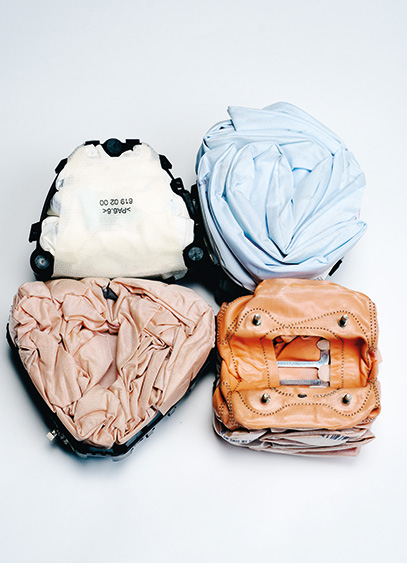
With Third Line, the French group GPA, specializing in automotive recycling, is launching a new design prize aimed at exploring the creative potential of materials sourced from end-of-life vehicles. For this inaugural edition, artists and designers are invited to imagine new uses for an unexpected material: the airbag. The call for entries is open until January 31, 2027.

‍

What happens to automotive materials when they can no longer be recycled? This is the question the GPA group, a family-owned business based in the Drôme region specializing in automotive recycling, aims to answer with the launch of Third Line. Conceived as a biennial event, this new prize intends to foster a dialogue between contemporary creation and industrial expertise by inviting artists and designers to rethink the uses of materials that are currently underutilized. Each year, GPA processes more than 45,000 vehicles and manages to recycle and recover an average of 99.7% of their mass. However, certain materials, such as foams, leathers, and airbags, remain difficult to recycle. It is precisely these materials that Third Line seeks to view through a new lens, turning design into a true field of experimentation.

The airbag as a creative material

For this first edition, the focus is on the airbag, a technical polyamide textile known for its lightness and mechanical strength, but which currently lacks any suitable recycling stream. Prize applicants are invited to explore its properties to imagine a piece of contemporary, functional furniture intended for corporate spaces.

A prize bridging research and production

Open to artists and designers, the Third Line prize includes a €10,000 award and offers support that goes beyond mere financial reward. The winner, to be announced in the spring of 2027, will be hosted at GPA starting in September 2027 for a research and production residency. They will be able to develop their project in collaboration with the company's teams, as well as local artisans and technical partners, through to completion. Ultimately, the goal of each edition will be to explore a different material, gradually building a collection born from this encounter between creation and industry.

More information and registration here: https://www.groupe-gpa.fr/third-line-prix-du-design/

Temps de lecture
10/11/2026
The Trophées du Meuble: "Rewarding expertise, and making it known"

For the launch of the first edition of the Trophées du Meuble, Dantès Presse—publisher of Le Courrier du Meuble, Cuisines & Bains magazine, and Concept Bains—has partnered with Intramuros magazine and Maison&Objet. This collaboration will include a major awards ceremony held at the trade show on January 14, 2027. Frédéric Marty, General Manager of Dantès Presse and Editor-in-Chief of Intramuros, and Vincent Lhoste, General Manager of Safi, discuss the ins and outs of this new event.

‍

In 2026, Dantès Presse and Intramuros are launching the first edition of the Trophées du Meuble. What does this event entail, and what is the motivation behind this initiative?

Frédéric Marty: The positioning of our various magazines—Le Courrier du Meuble, the historic B2B publication for the furniture industry; Cuisines & Bains magazine and Concept Bains, which are leaders in the kitchen and bathroom sector; and Intramuros, the reference for design—gives us a comprehensive view of the furniture market. We realized that while these different fields, all centered on home furnishings and interior architecture, have their own competitions and awards, they lack connections and bridges between them. The main idea behind the Trophées du Meuble is to fill a gap in the market by creating a cross-disciplinary competition that rewards the excellence and expertise of all these companies—industrial or artisanal—without which designers' creations could never come to life.

How have market players responded, and where do we stand with the schedule as of early November?

Frédéric Marty: We received a very positive response right away, which encouraged us to see this project through. Today, there is a lot of talk about collectible design, limited editions, and exclusive creations, but not enough about industrial design or the expertise of manufacturers and artisans—which is remarkable in France and Europe and forms the foundation for the quality and large-scale distribution of our products. We must pay tribute to and support all these companies that invest, innovate, and take risks. To fulfill this role, the Trophées du Meuble are divided into 11 categories—such as living room, outdoor furniture, eco-furniture, contract, etc.—with three awards in each (First Prize, Jury’s Special Prize, and Public Prize, totaling 33 awards). These will be decided by an independent jury composed of experts from each sector to eliminate any risk of bias or insularity. Regarding the schedule, entries are open until December 15, 2026, which will allow the juries to deliberate before the end of the year, leading up to the awards ceremony on January 14, 2027, at Maison&Objet.

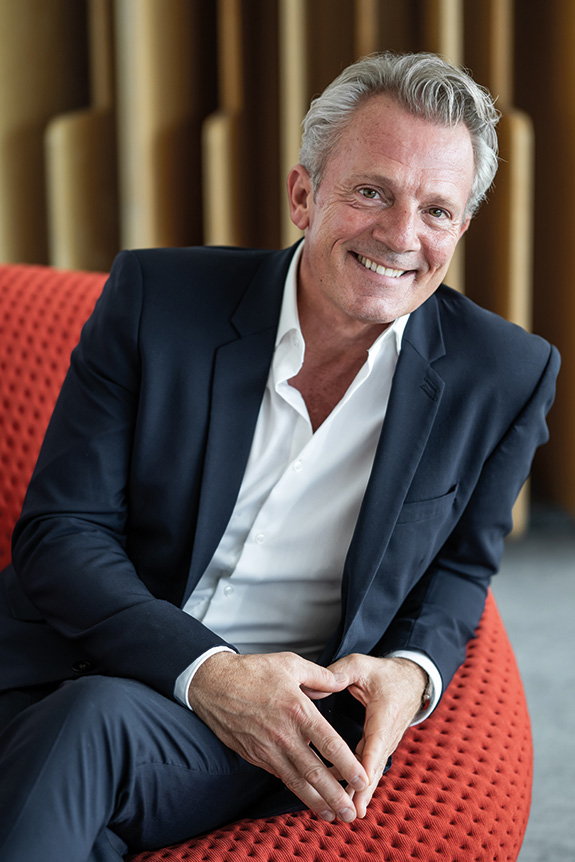
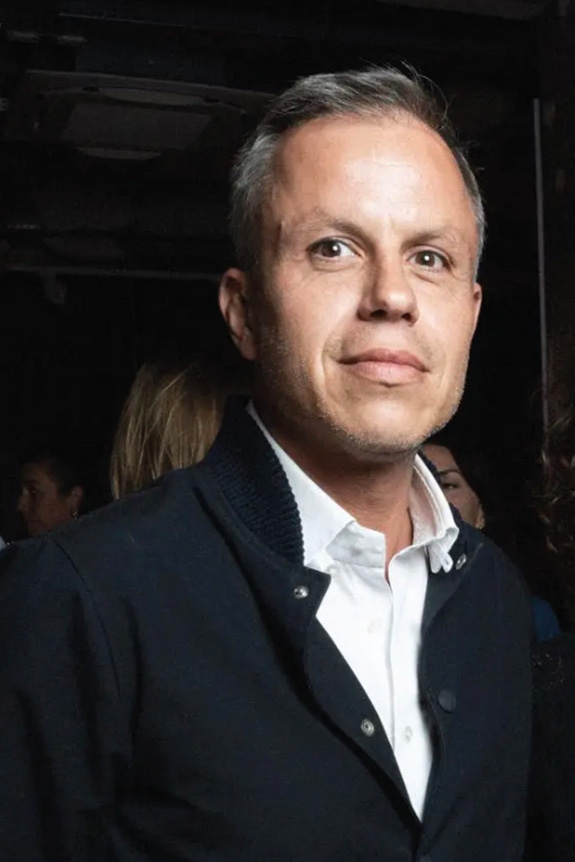
Vincent Lhoste, President of Safi © Anne-Emmanuelle Thion

Maison&Objet is a major event in our sector that needs no introduction, but the concept has evolved significantly in recent editions. Could you give us an overview of its main features?

Vincent Lhoste: Today, Maison&Objet is much more than just a trade show. It is an ecosystem that supports professionals throughout the year through our physical meetings, our digital platform MOM, and the events that bring design to life in Paris: Paris Design Week in September and In the City in January. Our ambition remains the same: to create meaningful connections between brands, specifiers, distributors, and buyers, and to provide them with the means to launch new projects. Our two Parisian events have complementary identities. In September, Maison&Objet Pulse focuses on movement, innovation, and new ways of living and creating. It is a time for exploration, open to trends and possible futures. In January, Maison&Objet Premier asserts a more premium dimension, with a particular focus on excellence, craftsmanship, and exceptional signatures. This edition also broadens the perspective from the object to the space and new uses, particularly in high-end decoration and the Contract sector.

The partnership between Maison&Objet and the furniture industry has a long history. What is the profile of the furniture brands that exhibit at the show, and why is this event valuable to them?

Vincent Lhoste: The show brings together a diverse range of profiles: established houses as well as newer brands, publishers, manufacturers, and designers. They share the same high standards for design, quality, and differentiation, with offerings ranging from furniture to interior design solutions and projects for the hospitality or Contract sectors. For these brands, Maison&Objet is a place for visibility and commercial development. They can present their collections, meet international buyers, distributors, and specifiers, and also test their proposals against market trends. The show creates the conditions for exchanges that can lead to concrete projects, listings, and orders.

Frédéric Marty, General Manager of Dantès Presse and Editor-in-Chief of Intramuros

‍The first Trophées du Meuble awards ceremony will take place next January at Maison&Objet Premier, which runs from January 14 to 18. Why did you choose this event?

Frédéric Marty: From the moment we launched our competition, Maison&Objet expressed its desire to be our partner, and our teams met to work together on developing the best possible project. Maison&Objet is indeed the ideal partner because of its cross-disciplinary view of the market: the show covers almost all sectors of the home, hosting numerous furniture profiles for both residential and contract use, which are covered by our various magazines. Our publications and the show are complementary: the winners of the Trophées du Meuble, as well as all participants, will benefit from editorial coverage in our columns, but also from the resonance of Maison&Objet and all the media coverage of the event by French and international print and web publications. Our goal is to give the widest possible audience to the creativity and expertise of the players in our markets.

Why is Maison&Objet Premier, which will hold its first edition in January, the right venue to host the Trophées du Meuble?

Vincent Lhoste: Maison&Objet Premier is a particularly fitting setting to host these Trophées because it highlights the excellence, innovation, and expertise that drive the industry forward. Furniture has always held an important place in the history of our show, and the new Maison&Objet Premier concept, held in January, offers furniture brands a prime platform for expression. The Trophées du Meuble, organized by Le Courrier du Meuble with Intramuros, Cuisines & Bains Magazine, and Concept Bain, recognize companies, innovations, and expertise in the worlds of furnishing, design, and Contract. Their presence at Maison&Objet Premier gives visibility to those who are advancing these sectors. It also reflects our desire to foster dialogue between the different trades of interior design and to celebrate the initiatives that contribute to their transformation.

Information and registration:https://lestropheesdumeuble.fr/

Temps de lecture
10/11/2026
With Matte Black and Raw, Elica showcases every facet of black

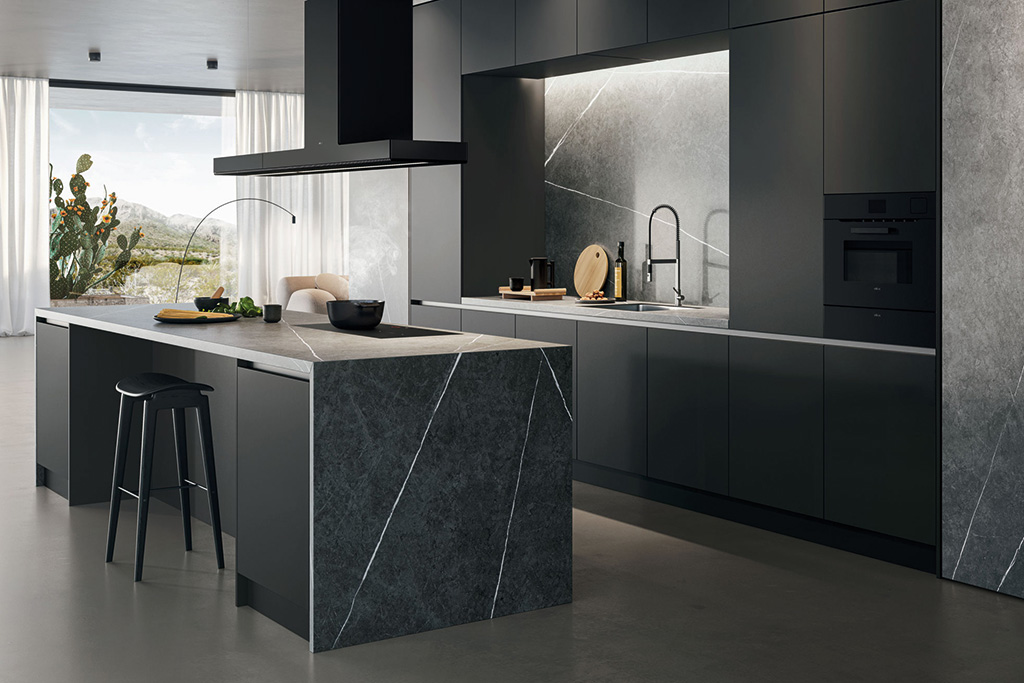
With its Matte Black and Raw finishes, Elica explores the aesthetic and technical possibilities of matte black in the kitchen. From hoods and cooktops to ovens and lighting, the Italian brand is developing a shared design language where style, innovation, and functionality meet.

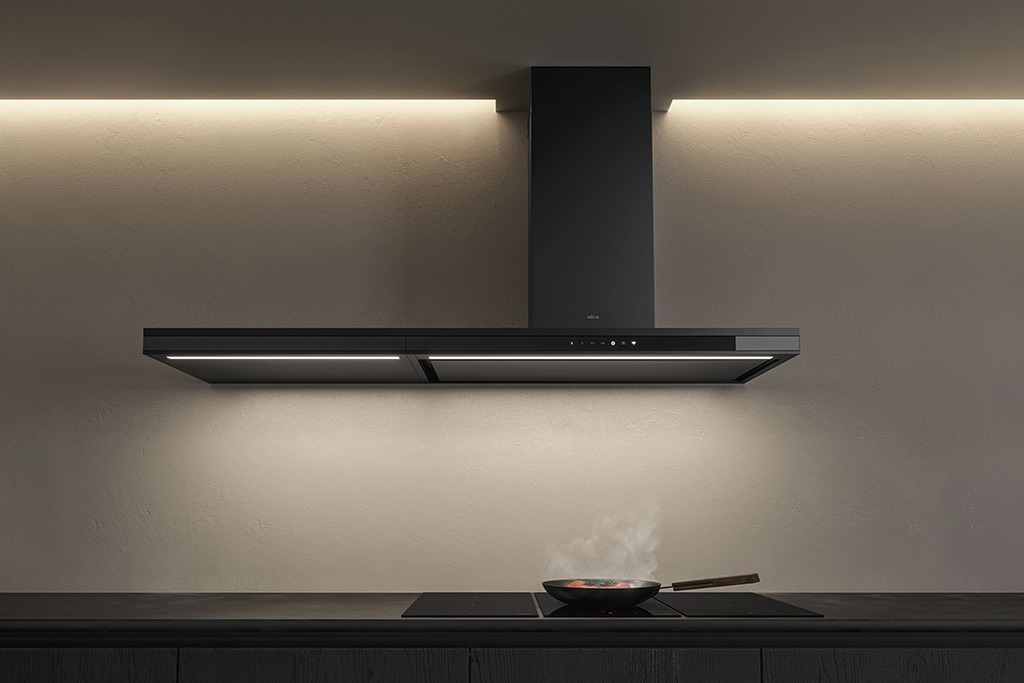
Long favored for its elegance and understated appeal, matte black has established itself as a definitive finish in the world of kitchen design. Elica embraces this trend through two complementary offerings: Matte Black and Raw. Designed as a cohesive aesthetic thread, these finishes adorn various product types—from hoods and ovens to the Luna lamp—allowing for visual continuity across appliances. This approach reflects the evolution of the kitchen, now viewed as a true living space where technical equipment plays an integral role in interior design.

© Elica

Raw: material meets utility

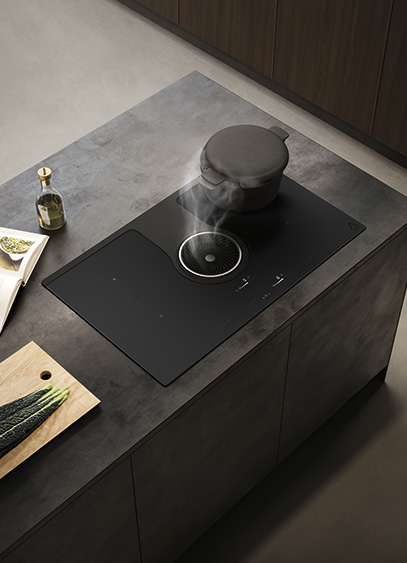
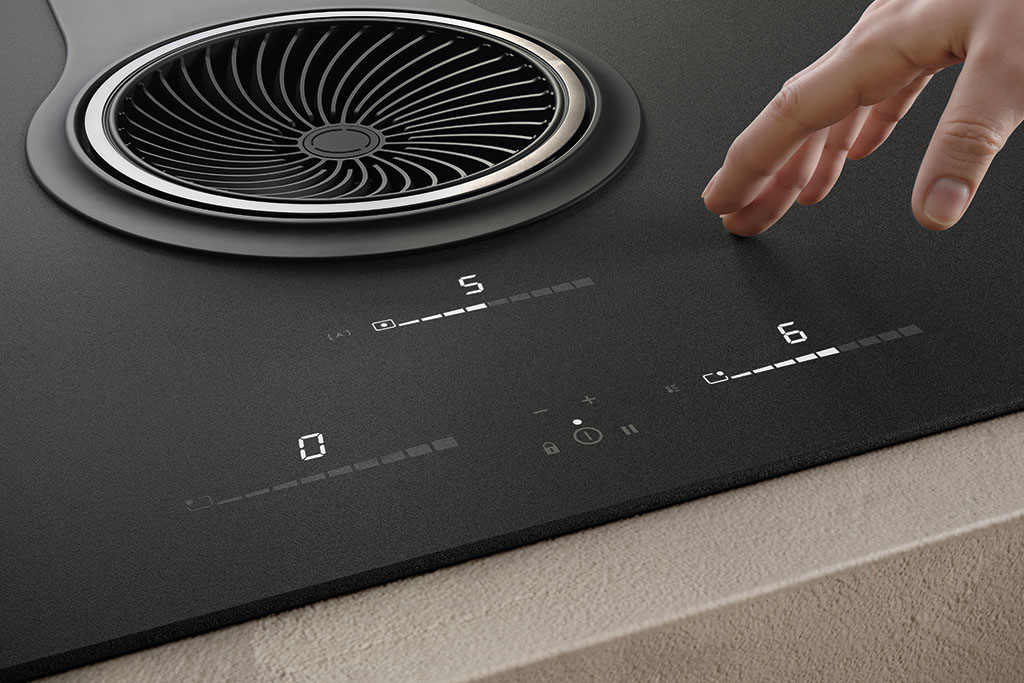
Beyond its aesthetic qualities, matte black has become a playground for innovation at Elica. With Raw, the brand has developed a matte black glass finish that combines material research with practicality. Applied notably to NikolaTesla aspiration hobs, induction cooktops, and the Lhov cooking system, this finish stands out for its textured look and technical properties. Designed to withstand the rigors of daily use, the sophisticated Raw finish makes cleaning and maintenance significantly easier: its surface is resistant to scratches from pots and utensils, as well as fingerprints. The Matte Black surface also offers effortless daily cleaning.

© Elica

Through Matte Black and Raw, Elica moves beyond the simple question of color to treat finish as a fundamental element of kitchen design. It is a way of rethinking appliances, where the material no longer just covers the object, but actively contributes to its function and identity.

© Elica
Temps de lecture
9/11/2026
Didheya x Iratzoki Studio: stainless steel reinvented

Specializing in the design and manufacture of stainless steel products for over 30 years, the Basque brand Didheya is opening a new chapter in its history with Urban Furniture. This new line of furniture, developed in collaboration with Iratzoki Studio, consists of five collections designed for both public and private spaces.

‍

Founded in 1994 in Irun, in the Spanish Basque Country, Didheya has built its expertise around working with stainless steel. Initially specializing in hardware and architectural accessories, the brand gradually diversified into the transport sector, notably developing equipment for trains, subways, and buses. Today, it aims to apply this industrial expertise to furniture through Urban Furniture, a line conceived in collaboration with Iratzoki Studio that marks a new stage in its development.

Aroa collection, design: Iratzoki Studio © Didheya

Five collections at the crossroads of design and industry

The result of a long-standing relationship between Didheya and Basque designer Jean-Louis Iratzoki, this collaboration is unveiled through five collections titled Hanka, Hodi, Aroa, Ingude, and Luze. Beyond the design of the pieces, the project is based on a shared reflection on materials, manufacturing processes, and usage, with the aim of offering furniture that is functional, durable, and capable of integrating into various environments.

Hanka collection, design: Iratzoki Studio © Didheya

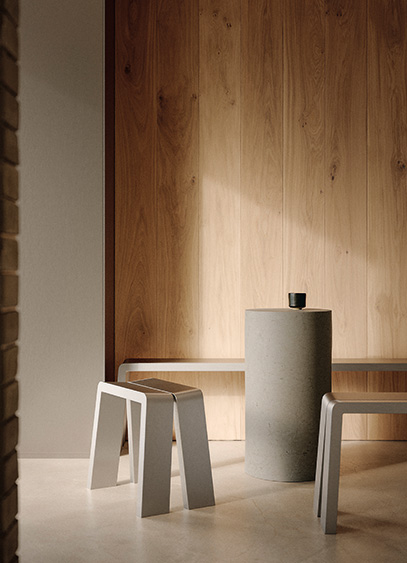
Stainless steel, Didheya's material of choice, serves as the common thread throughout the collections, sometimes combined with solid wood, concrete, or stone. "Our work focused on stainless steel, with an opening toward outdoor furniture intended for both public and private spaces. We sought to design durable, resistant, easy-to-maintain, and environmentally friendly products,"explains the designer.

Luze collection, design: Iratzoki Studio © Didheya

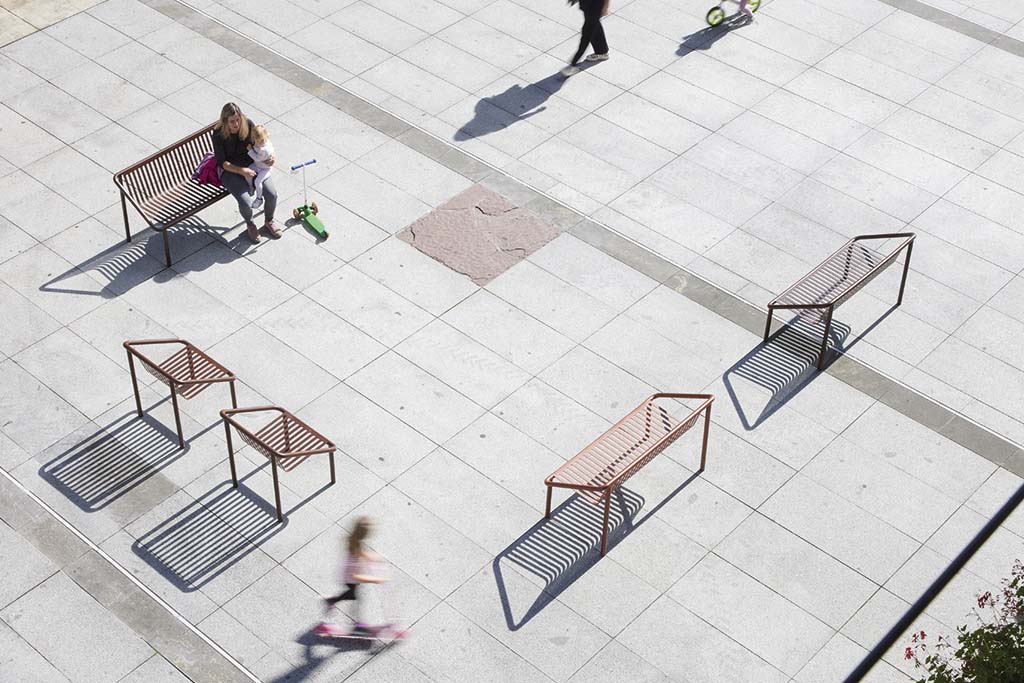
Initially conceived for outdoor use, these collections stand out for their versatility and the diversity of their finishes, allowing them to also find their place in interior spaces. From urban squares to university campuses and hotel common areas, they demonstrate a desire to go beyond the mere function of furniture to make it an integral part of the architecture of a space.

Captions: left, Ingude collection, design: Iratzoki Studio © Didheya / right: Hodi collection, design: Iratzoki Studio © Didheya

Inscrivez-vous à notre newsletter pour recevoir chaque semaine l’actualité du design.