The 2026 Grands Prix de la Création revealed!
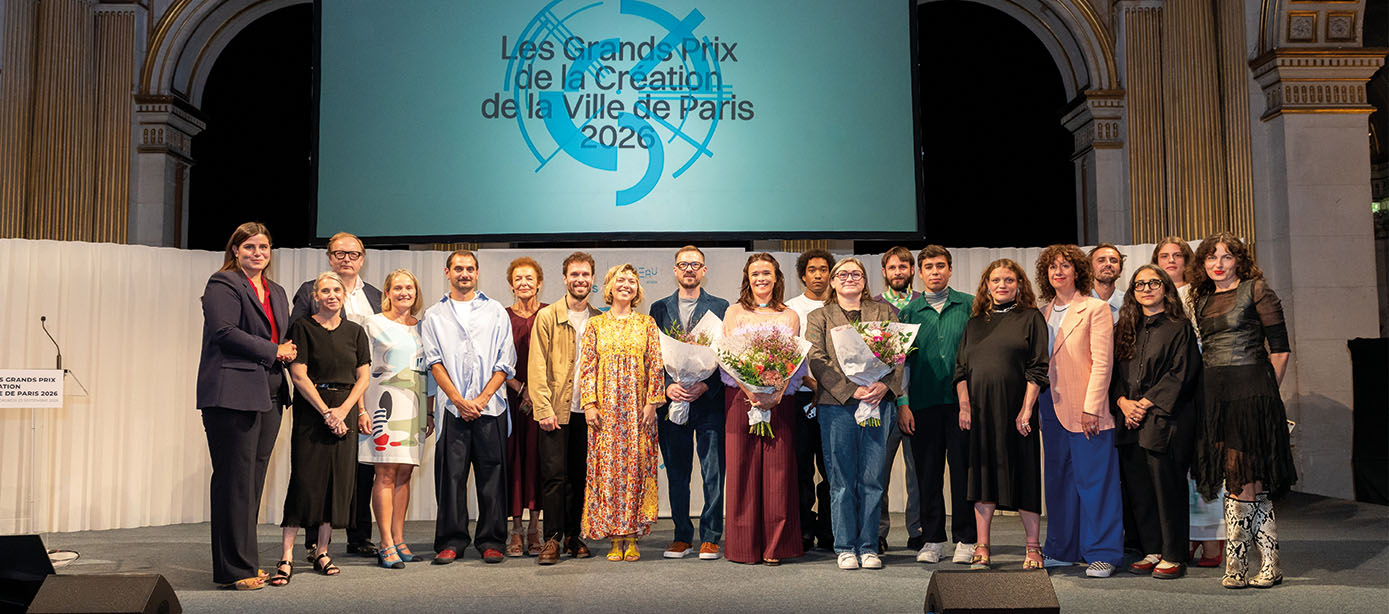
BDMMA - 2026 City of Paris Grand Prix for Creation Ceremony © Matthieu Gauchet

The 2026 Grands Prix de la Création revealed!

Since 1993, the City of Paris Grand Prix for Creation has supported new generations of designers in the fields of fashion, design, and fine crafts. Here are the eight winners of this 33rd edition.

Established thirty-three years ago, the Grand Prix for Creation is part of the City of Paris's policy to support the fashion, design, and fine crafts sectors. Organized by the Bureau of Design, Fashion and Fine Crafts (BDMMA), this year’s awards recognize eight professionals, each receiving a grant of 18,000 euros. It is a modest contribution considering the 350 applications received by the juries, chaired this year by Ionna Vautrin for design, Lisa Gachet for fashion, and Jeremy Maxwell Wintrebert for fine crafts.

Design Revelation Award: behagelfoiny

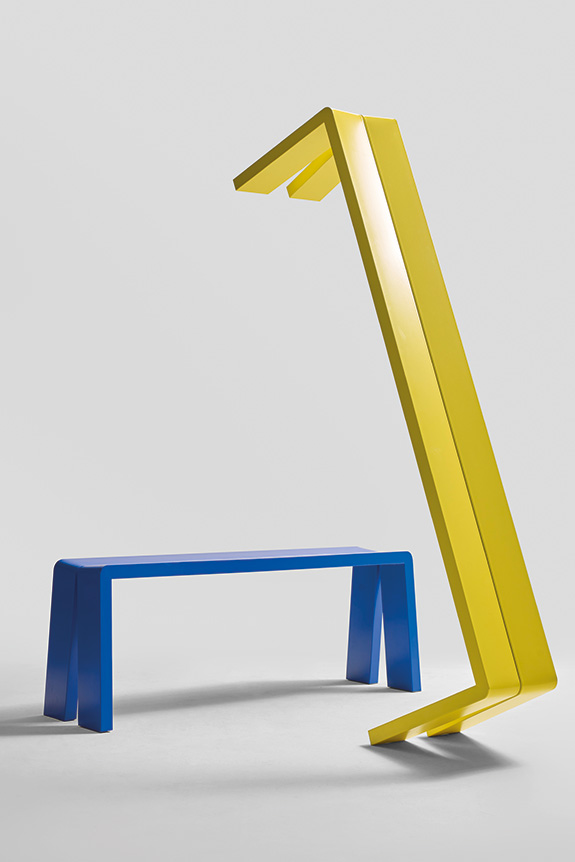
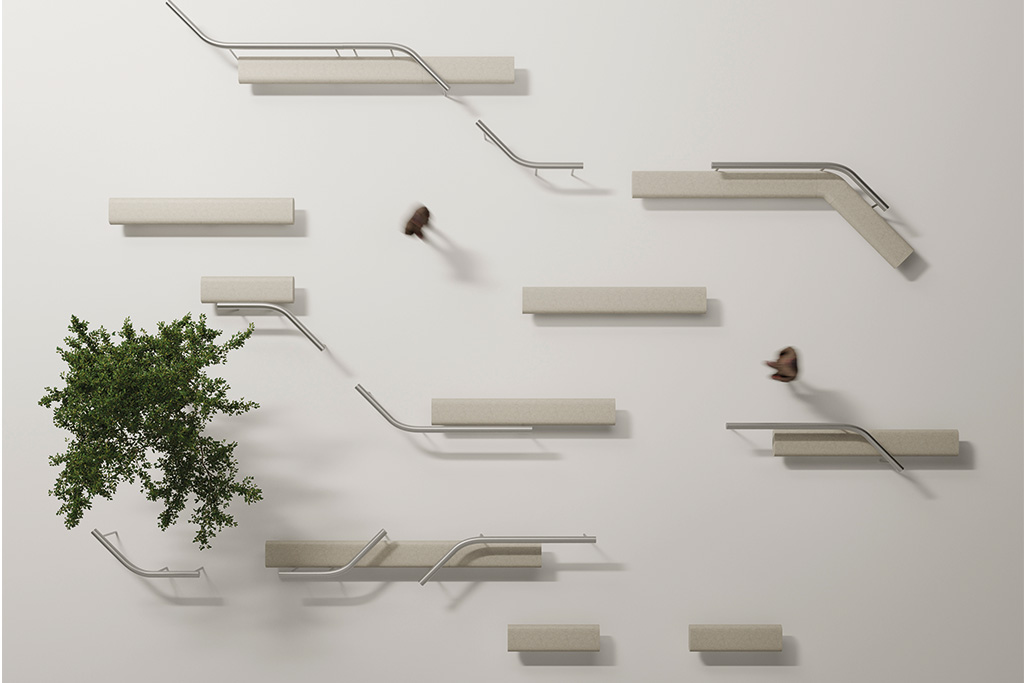
Antoine Behaghel and Alexis Foiny met while studying at the Arts Déco. Gradually inspired by the ready-made, they began developing projects centered on exploring the materials at their disposal. This approach led them to found their studio in 2020, based on a practice inspired by neo-craftsmanship. "We act as a connection point between different trades, which allows us to reclaim the creation and production of objects by implementing innovative methods. This is our DNA, even as we expand our expertise into other fields like scenography. This approach leads us to address issues related to environmental awareness and childhood." Their approach has already caught the attention of galleries and institutions, such as Le French Design, which included them in its FD100 list, and the Mobilier National, which acquired their Alupié bookcase in 2026.
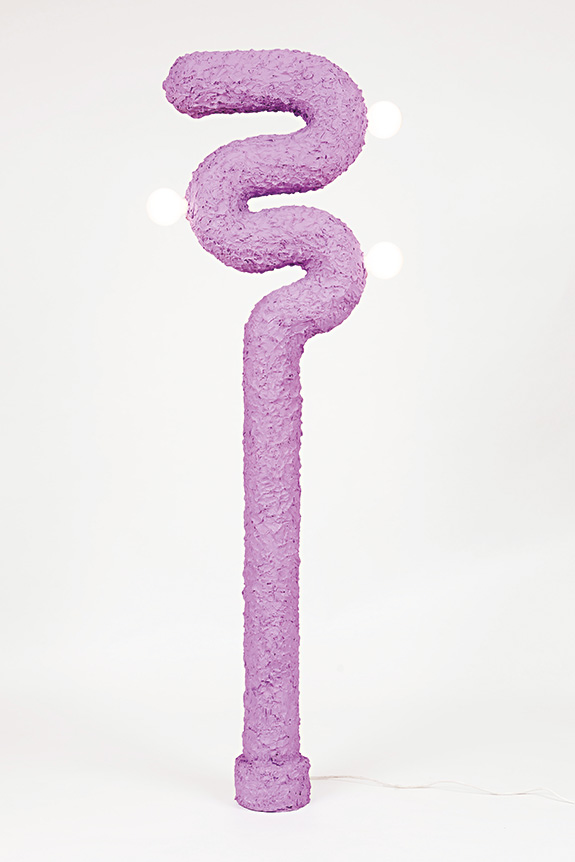
Tubulure collection © behaghelfoiny

Design Commitment Award: Marie et Alexandre

Represented by the Signé gallery on Rue Jacob in Paris, Marie and Alexandre are currently presenting "Under Pressure," an exhibition of objects shaped by pressure. The project effectively summarizes their work, which began five years ago after meeting at the Villa Noailles during the Design Parade. Marie, who studied at HEAD in Geneva and ECAL in Lausanne, and Alexandre, who trained at ENSCI – Les Ateliers and later at the California College of the Arts in San Francisco during a university exchange, share a curiosity for craftsmanship that drives them to adopt an itinerant practice. Between factory visits and field experiments, the duo collaborates with brands such as Glas Italia, Dryade, and Petite Friture. "Our creations for galleries allow us to conduct free research, which we then use as a foundation for more industrial projects."
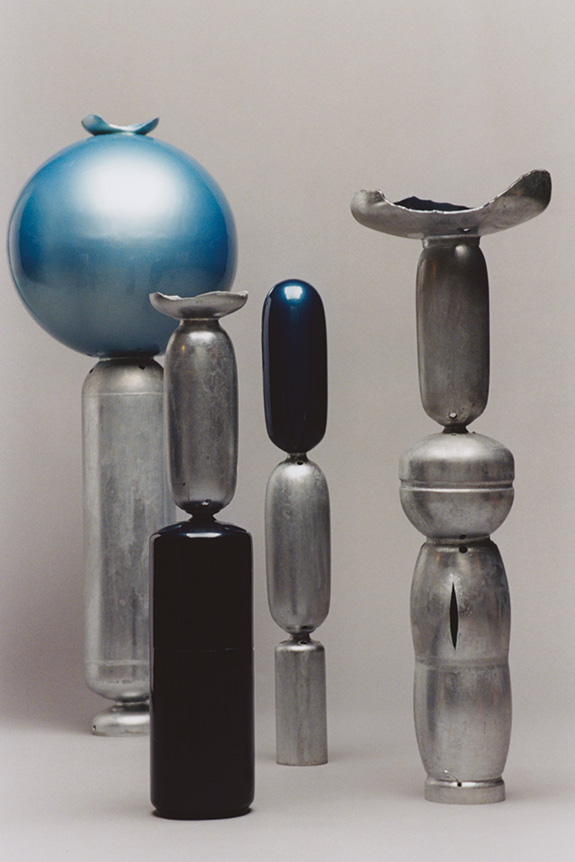
Marie et Alexandre © Rebekka Deubner

Fashion Revelation Award: Anthony Calydon

Sewing. An activity that has occupied Anthony Calydon’s mind for twelve years. He started by making his own clothes, had a brief stint at ESMOD, and then decided to continue as a self-taught designer. His career began quietly thanks to Instagram. Alongside his work dressing artists, he works as a pattern maker for emerging labels. But he is in no rush to move too quickly until he has found his style—one that will be recognizable at a single glance. "I have always been inspired by Japanese designers. I wanted to offer something strong, without a logo. I wanted people to see my pieces and think: that’s Anthony Calydon. And, little by little, I made ribbing and overlock stitching my signature." A world and a body of work rooted in their time, driven by a deep attention to craftsmanship.
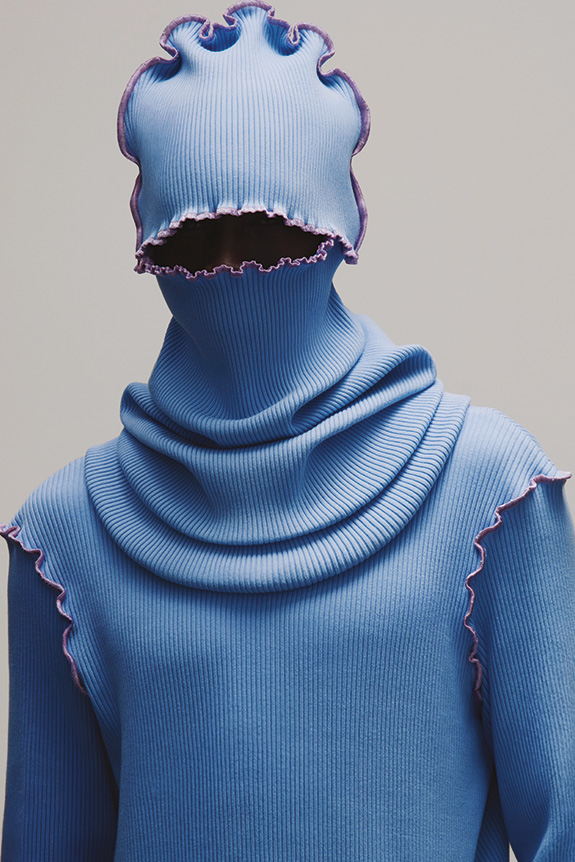
© Anthony Calydon

Fashion Commitment Award: Collectivo

A chemical engineer from INSA with a master’s degree from HEC, Samia Boukbir spent five years in marketing and international makeup development before joining a collective dedicated to upcycled fashion. Her professional path then transformed into a journey. "In 2016, I went to Cuba and my professional life changed forever," recalls Samia Boukbir. I discovered a company entirely based on reclamation, having spent nearly seven years in the industry at L’Oréal and Dior. It really made me question things. When I returned, I quit my job… and ended up at the Saint-Ouen flea market!” It was in this historic cradle of the circular economy in Paris that Samia established Collectivo, which officially launched in 2022. The collective has since collaborated with 22 designers. Each new collection is an opportunity to open the circle to new talent through open calls for projects. “Everything starts with our selection of materials to upcycle: we build the plans for our three collections around them, focusing on reinvented officewear, sports, and innovation.”
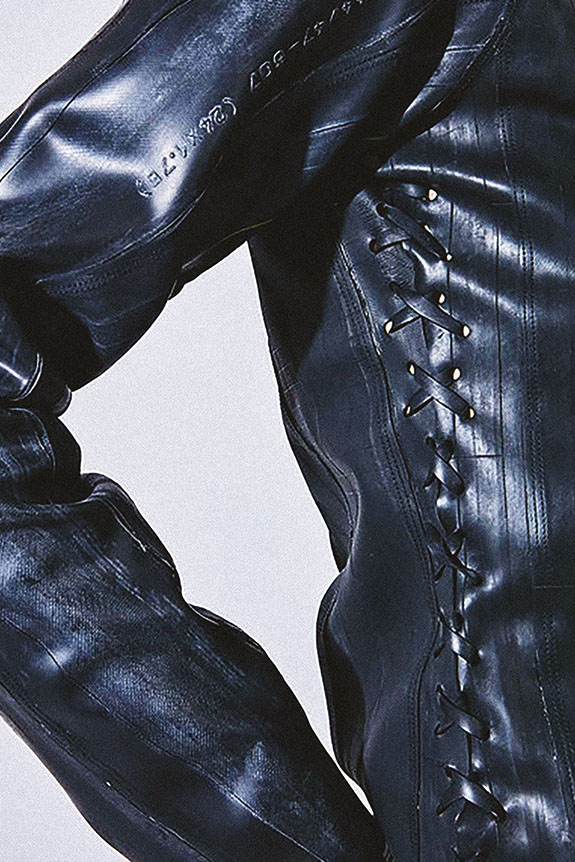
© Collectivo

Fashion Accessories Award: Luca Colosimo — 10.03.53

The story begins with the purchase of a huge orange bag. That first purchase sparked a realization. “It was an act of emancipation. For my dad, a bag was a forbidden object for a man. But I was fascinated by it!” However, it would be a while before Luca Colosimo dedicated himself to this accessory. After studying industrial pattern-making for ready-to-wear—which he hated—receiving a scholarship to train in leather goods prototyping, and gaining experience at Gucci, Isabel Marant, and Paco Rabanne, he had a breakthrough in 2020. He then launched his own brand, naming it after his father’s birth date: 10.03.53. From there, he began creating sensual designs with classic shapes, with a particular interest in innovative materials. “Today, we make bags out of paper, reinforced concrete, untreated leather… We’re having fun!”
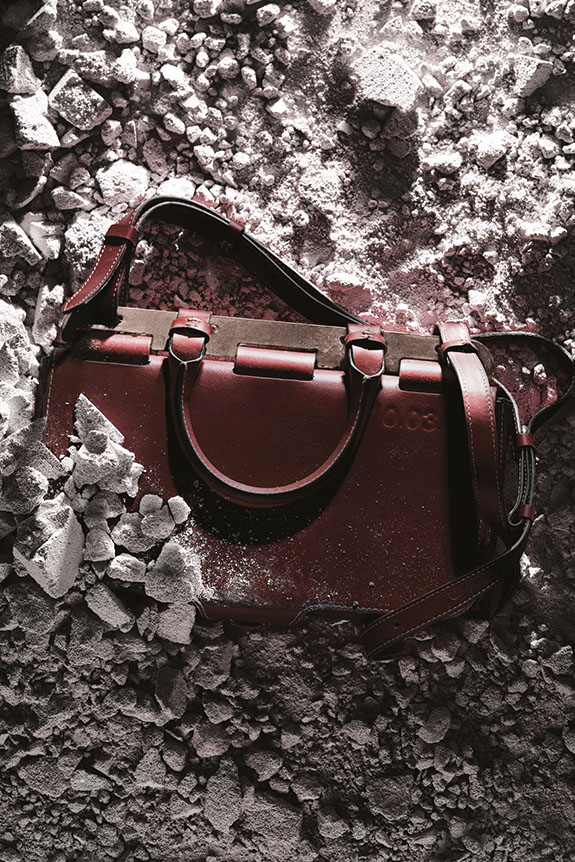
Luca Colosimo © 10.03.53

Fashion Jewelry Accessories Award: Sarah Madeleine Bru

Trained at a design school in Nantes, Sarah Madeleine Bru quickly realized she was passionate about craftsmanship. She took on numerous internships and freelance assignments while still a student, before joining the Creative Academy, the Richemont Group’s school in Milan, which provides training in design for the jewelry, watchmaking, and accessories sectors. “That allowed me to join the brand Dunhill, which is little-known in France but is a bit like the Hermès of menswear.” She stayed there for a year, during the time Kim Jones was the artistic director, before being scouted by Louis Vuitton. Then, in 2012, she went solo. “At the beginning, I mainly sold my silver jewelry to my friends. Then I got some press, I was recognized, and I evolved my designs. Today, high jewelry and custom orders have taken over.”

Vipère and La Vague rings, platinum and natural diamonds © Aude Le Barbey

Artistic Crafts Revelation Award: Chloé Valorso

A sculptor, bronze caster, and jeweler, Chloé Valorso discovered the lost-wax casting technique during her studies in London, first at Central Saint Martins and then at the Royal College of Art. “I wanted to learn the technique from A to Z. Normally, artists go to outside foundries or learn just a few steps. I wanted to master everything so I could innovate.” Inspired by anthropology seminars and works on new materialism and eco-feminism, the designer works through collage, giving birth to objects akin to "exquisite corpses of stories and mythologies", opening up the imagination. "I mostly work with materials imbued with life: snakeskins transmuted into bronze, flowers I immortalize using a direct casting technique I developed. I just finished some candle holders, combining roots, snake vertebrae, and flowers gathered from Parisian gardens."
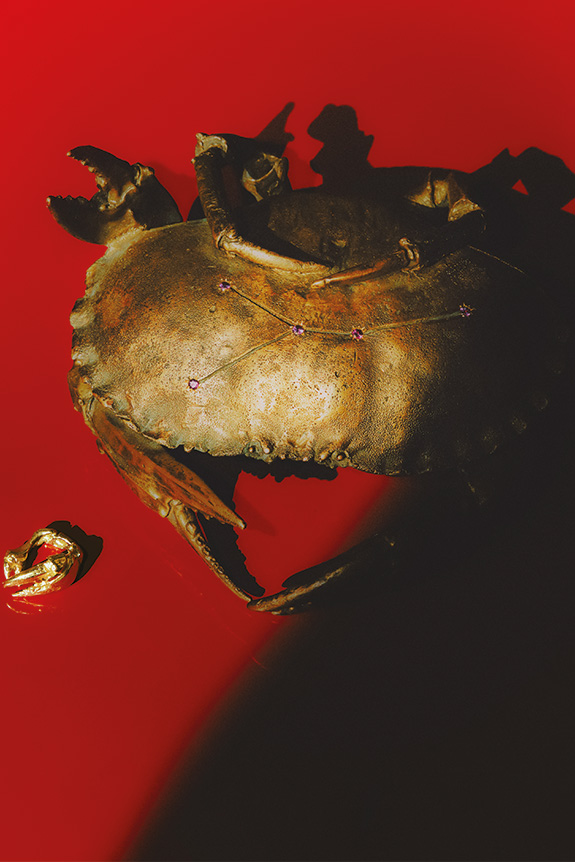
© Chloe Valorso

Craftsmanship Commitment Award: Les Ateliers Victor Bert

Giving visibility to an endangered craft: this is what drove Victor Bert, a sign painter, to enter the City of Paris Grands Prix de la Création. Always fascinated by historical monuments, Victor trained as a stonemason in Amiens. It was there that he discovered stone engraving and quickly developed a passion for lettering. With his vocational certificate in hand, he moved to Paris, working while supplementing his training with courses in typography and calligraphy. "I always knew that lettering went beyond stone carving, that I needed to explore a multitude of mediums. I have never stopped enriching my practice. That’s how I discovered a documentary on American sign painting in 2015 and decided to get started."
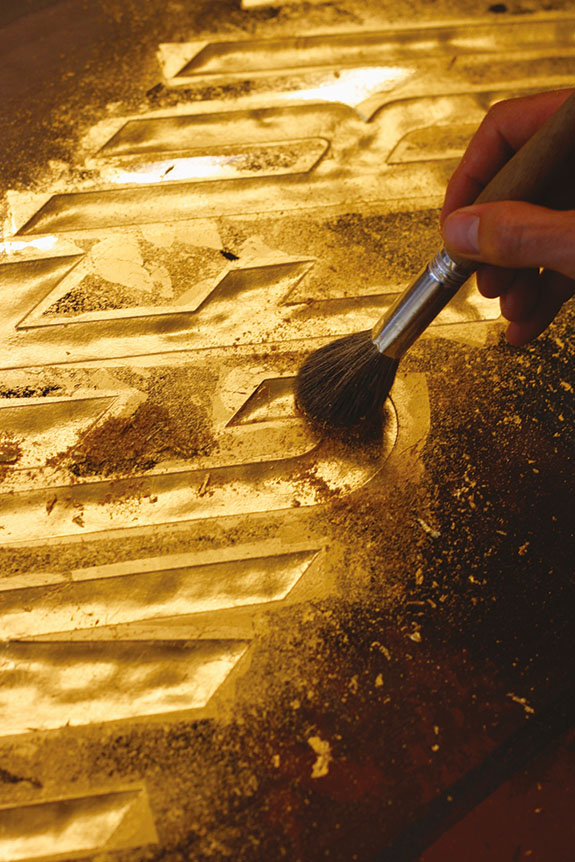
Gilding under engraved glass in progress © Chloé Brunet (Passerelle Studio)
Rédigé par 
La rédaction

Vous aimerez aussi

Temps de lecture
10/11/2026
The Trophées du Meuble: "Rewarding expertise, and making it known"

For the launch of the first edition of the Trophées du Meuble, Dantès Presse—publisher of Le Courrier du Meuble, Cuisines & Bains magazine, and Concept Bains—has partnered with Intramuros magazine and Maison&Objet. This collaboration will include a major awards ceremony held at the trade show on January 14, 2027. Frédéric Marty, General Manager of Dantès Presse and Editor-in-Chief of Intramuros, and Vincent Lhoste, General Manager of Safi, discuss the ins and outs of this new event.

‍

In 2026, Dantès Presse and Intramuros are launching the first edition of the Trophées du Meuble. What does this event entail, and what is the motivation behind this initiative?

Frédéric Marty: The positioning of our various magazines—Le Courrier du Meuble, the historic B2B publication for the furniture industry; Cuisines & Bains magazine and Concept Bains, which are leaders in the kitchen and bathroom sector; and Intramuros, the reference for design—gives us a comprehensive view of the furniture market. We realized that while these different fields, all centered on home furnishings and interior architecture, have their own competitions and awards, they lack connections and bridges between them. The main idea behind the Trophées du Meuble is to fill a gap in the market by creating a cross-disciplinary competition that rewards the excellence and expertise of all these companies—industrial or artisanal—without which designers' creations could never come to life.

How have market players responded, and where do we stand with the schedule as of early November?

Frédéric Marty: We received a very positive response right away, which encouraged us to see this project through. Today, there is a lot of talk about collectible design, limited editions, and exclusive creations, but not enough about industrial design or the expertise of manufacturers and artisans—which is remarkable in France and Europe and forms the foundation for the quality and large-scale distribution of our products. We must pay tribute to and support all these companies that invest, innovate, and take risks. To fulfill this role, the Trophées du Meuble are divided into 11 categories—such as living room, outdoor furniture, eco-furniture, contract, etc.—with three awards in each (First Prize, Jury’s Special Prize, and Public Prize, totaling 33 awards). These will be decided by an independent jury composed of experts from each sector to eliminate any risk of bias or insularity. Regarding the schedule, entries are open until December 15, 2026, which will allow the juries to deliberate before the end of the year, leading up to the awards ceremony on January 14, 2027, at Maison&Objet.

Vincent Lhoste, President of Safi © Anne-Emmanuelle Thion

Maison&Objet is a major event in our sector that needs no introduction, but the concept has evolved significantly in recent editions. Could you give us an overview of its main features?

Vincent Lhoste: Today, Maison&Objet is much more than just a trade show. It is an ecosystem that supports professionals throughout the year through our physical meetings, our digital platform MOM, and the events that bring design to life in Paris: Paris Design Week in September and In the City in January. Our ambition remains the same: to create meaningful connections between brands, specifiers, distributors, and buyers, and to provide them with the means to launch new projects. Our two Parisian events have complementary identities. In September, Maison&Objet Pulse focuses on movement, innovation, and new ways of living and creating. It is a time for exploration, open to trends and possible futures. In January, Maison&Objet Premier asserts a more premium dimension, with a particular focus on excellence, craftsmanship, and exceptional signatures. This edition also broadens the perspective from the object to the space and new uses, particularly in high-end decoration and the Contract sector.

The partnership between Maison&Objet and the furniture industry has a long history. What is the profile of the furniture brands that exhibit at the show, and why is this event valuable to them?

Vincent Lhoste: The show brings together a diverse range of profiles: established houses as well as newer brands, publishers, manufacturers, and designers. They share the same high standards for design, quality, and differentiation, with offerings ranging from furniture to interior design solutions and projects for the hospitality or Contract sectors. For these brands, Maison&Objet is a place for visibility and commercial development. They can present their collections, meet international buyers, distributors, and specifiers, and also test their proposals against market trends. The show creates the conditions for exchanges that can lead to concrete projects, listings, and orders.

Frédéric Marty, General Manager of Dantès Presse and Editor-in-Chief of Intramuros

‍The first Trophées du Meuble awards ceremony will take place next January at Maison&Objet Premier, which runs from January 14 to 18. Why did you choose this event?

Frédéric Marty: From the moment we launched our competition, Maison&Objet expressed its desire to be our partner, and our teams met to work together on developing the best possible project. Maison&Objet is indeed the ideal partner because of its cross-disciplinary view of the market: the show covers almost all sectors of the home, hosting numerous furniture profiles for both residential and contract use, which are covered by our various magazines. Our publications and the show are complementary: the winners of the Trophées du Meuble, as well as all participants, will benefit from editorial coverage in our columns, but also from the resonance of Maison&Objet and all the media coverage of the event by French and international print and web publications. Our goal is to give the widest possible audience to the creativity and expertise of the players in our markets.

Why is Maison&Objet Premier, which will hold its first edition in January, the right venue to host the Trophées du Meuble?

Vincent Lhoste: Maison&Objet Premier is a particularly fitting setting to host these Trophées because it highlights the excellence, innovation, and expertise that drive the industry forward. Furniture has always held an important place in the history of our show, and the new Maison&Objet Premier concept, held in January, offers furniture brands a prime platform for expression. The Trophées du Meuble, organized by Le Courrier du Meuble with Intramuros, Cuisines & Bains Magazine, and Concept Bain, recognize companies, innovations, and expertise in the worlds of furnishing, design, and Contract. Their presence at Maison&Objet Premier gives visibility to those who are advancing these sectors. It also reflects our desire to foster dialogue between the different trades of interior design and to celebrate the initiatives that contribute to their transformation.

Information and registration:https://lestropheesdumeuble.fr/

Temps de lecture
10/11/2026
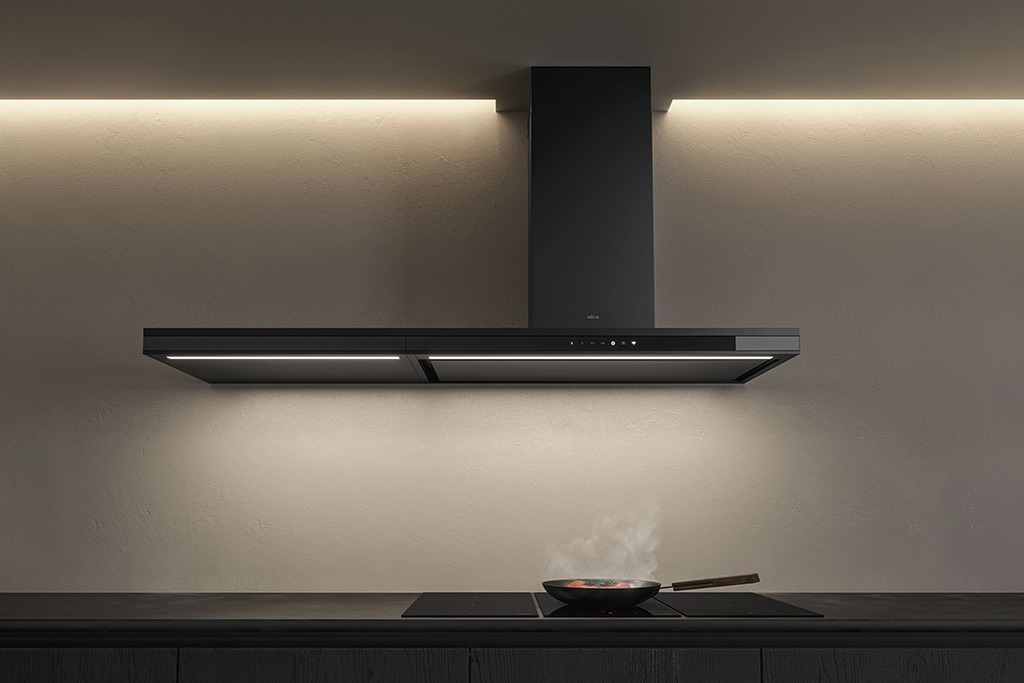
With Matte Black and Raw, Elica showcases every facet of black

With its Matte Black and Raw finishes, Elica explores the aesthetic and technical possibilities of matte black in the kitchen. From hoods and cooktops to ovens and lighting, the Italian brand is developing a shared design language where style, innovation, and functionality meet.

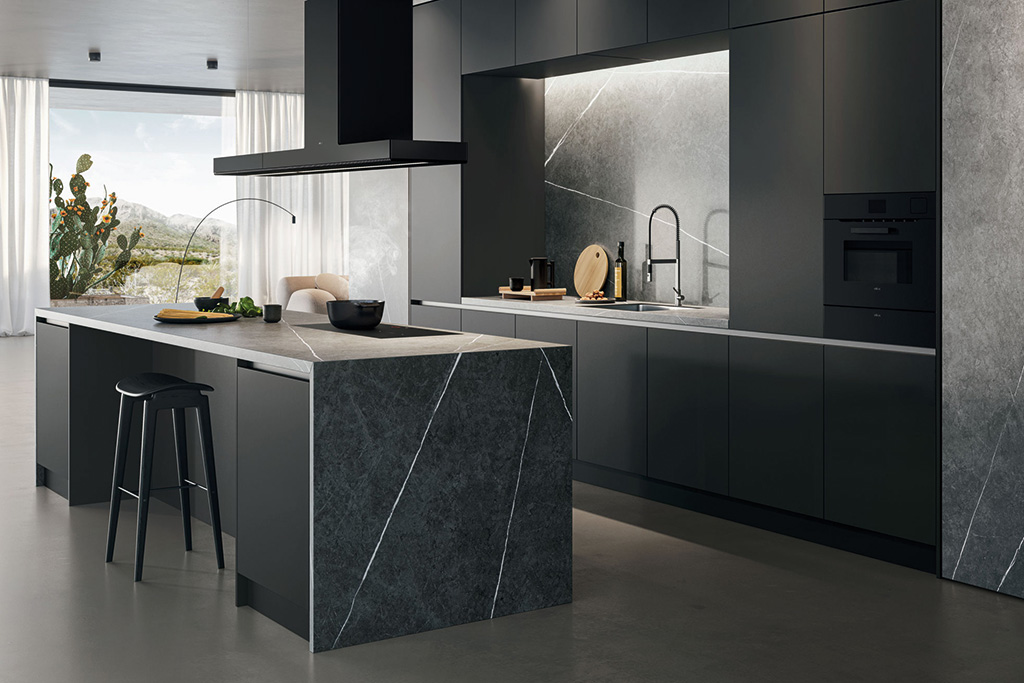
Long favored for its elegance and understated appeal, matte black has established itself as a definitive finish in the world of kitchen design. Elica embraces this trend through two complementary offerings: Matte Black and Raw. Designed as a cohesive aesthetic thread, these finishes adorn various product types—from hoods and ovens to the Luna lamp—allowing for visual continuity across appliances. This approach reflects the evolution of the kitchen, now viewed as a true living space where technical equipment plays an integral role in interior design.

© Elica

Raw: material meets utility

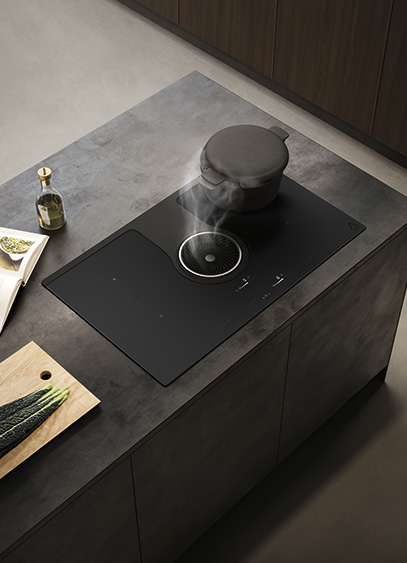
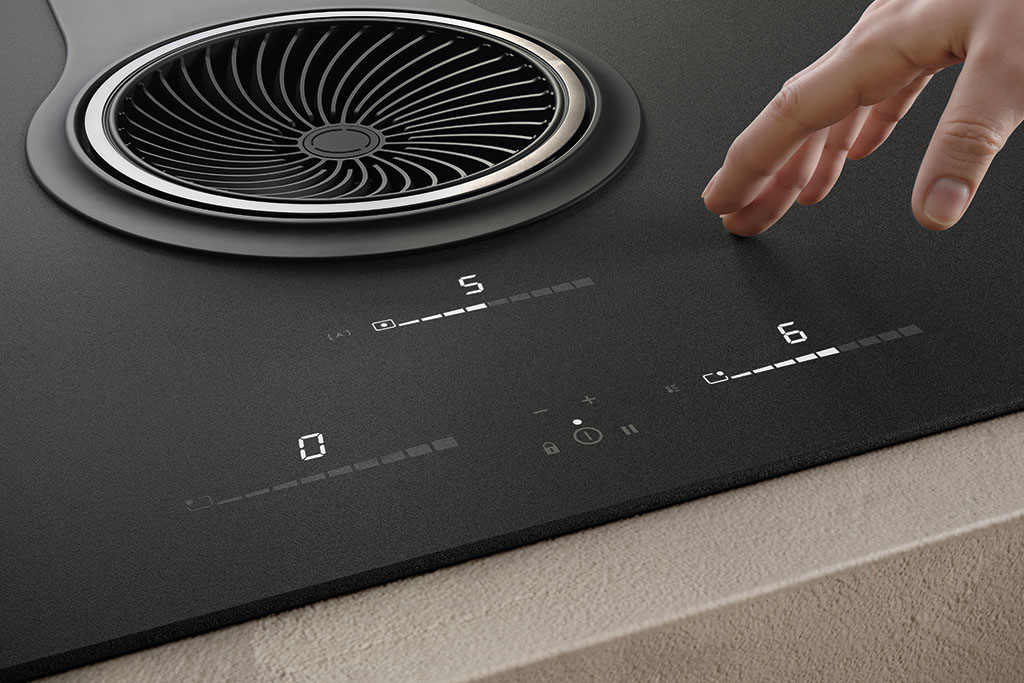
Beyond its aesthetic qualities, matte black has become a playground for innovation at Elica. With Raw, the brand has developed a matte black glass finish that combines material research with practicality. Applied notably to NikolaTesla aspiration hobs, induction cooktops, and the Lhov cooking system, this finish stands out for its textured look and technical properties. Designed to withstand the rigors of daily use, the sophisticated Raw finish makes cleaning and maintenance significantly easier: its surface is resistant to scratches from pots and utensils, as well as fingerprints. The Matte Black surface also offers effortless daily cleaning.

© Elica

Through Matte Black and Raw, Elica moves beyond the simple question of color to treat finish as a fundamental element of kitchen design. It is a way of rethinking appliances, where the material no longer just covers the object, but actively contributes to its function and identity.

© Elica
Temps de lecture
9/11/2026
Didheya x Iratzoki Studio: stainless steel reinvented

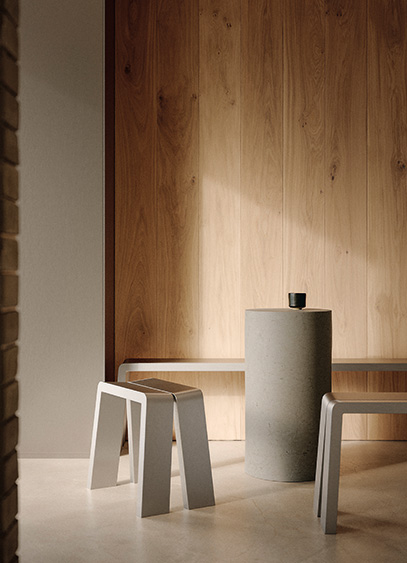
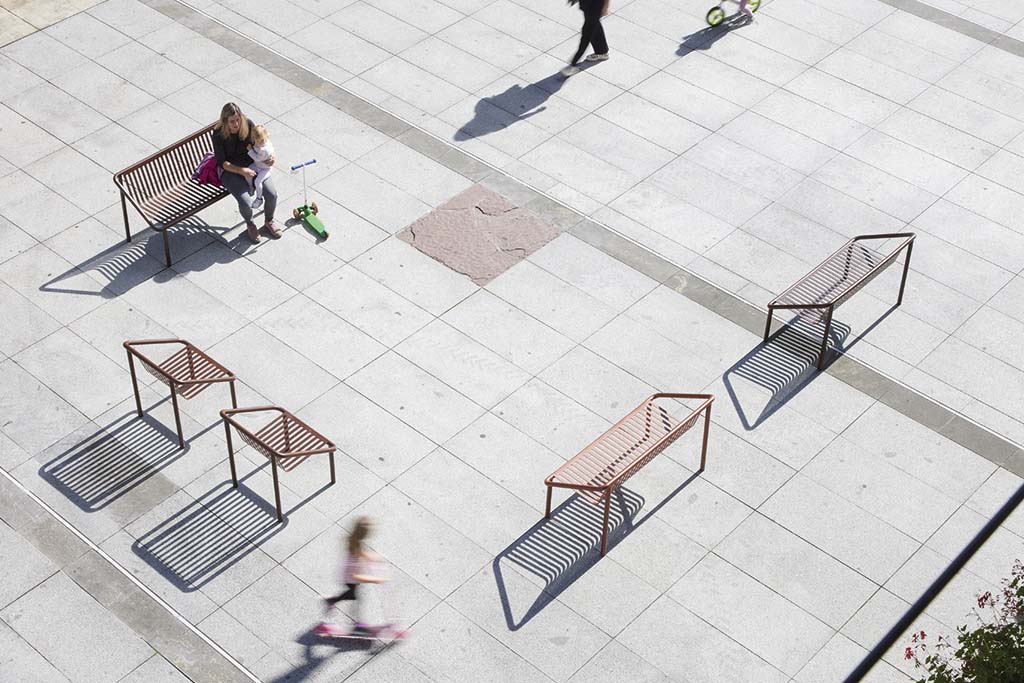
Specializing in the design and manufacture of stainless steel products for over 30 years, the Basque brand Didheya is opening a new chapter in its history with Urban Furniture. This new line of furniture, developed in collaboration with Iratzoki Studio, consists of five collections designed for both public and private spaces.

‍

Founded in 1994 in Irun, in the Spanish Basque Country, Didheya has built its expertise around working with stainless steel. Initially specializing in hardware and architectural accessories, the brand gradually diversified into the transport sector, notably developing equipment for trains, subways, and buses. Today, it aims to apply this industrial expertise to furniture through Urban Furniture, a line conceived in collaboration with Iratzoki Studio that marks a new stage in its development.

Aroa collection, design: Iratzoki Studio © Didheya

Five collections at the crossroads of design and industry

The result of a long-standing relationship between Didheya and Basque designer Jean-Louis Iratzoki, this collaboration is unveiled through five collections titled Hanka, Hodi, Aroa, Ingude, and Luze. Beyond the design of the pieces, the project is based on a shared reflection on materials, manufacturing processes, and usage, with the aim of offering furniture that is functional, durable, and capable of integrating into various environments.

Hanka collection, design: Iratzoki Studio © Didheya

Stainless steel, Didheya's material of choice, serves as the common thread throughout the collections, sometimes combined with solid wood, concrete, or stone. "Our work focused on stainless steel, with an opening toward outdoor furniture intended for both public and private spaces. We sought to design durable, resistant, easy-to-maintain, and environmentally friendly products,"explains the designer.

Luze collection, design: Iratzoki Studio © Didheya

Initially conceived for outdoor use, these collections stand out for their versatility and the diversity of their finishes, allowing them to also find their place in interior spaces. From urban squares to university campuses and hotel common areas, they demonstrate a desire to go beyond the mere function of furniture to make it an integral part of the architecture of a space.

Captions: left, Ingude collection, design: Iratzoki Studio © Didheya / right: Hodi collection, design: Iratzoki Studio © Didheya

Temps de lecture
6/11/2026
At Galerie kreo, the glass and electric giants of the JAM collective

Through December 23, the London-based collective JAM is presenting Lampposts at Galerie kreo. The exhibition features a collection of glass street lamps created in collaboration with the Cirva in Marseille.

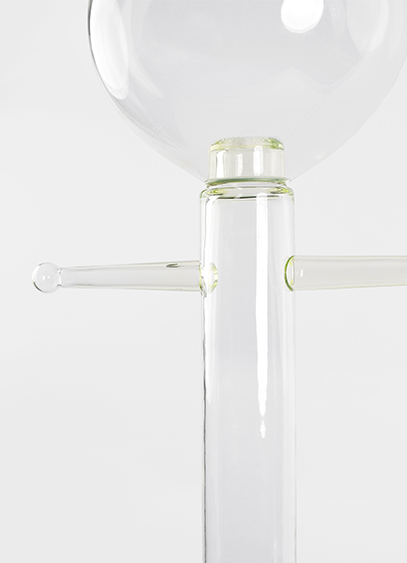
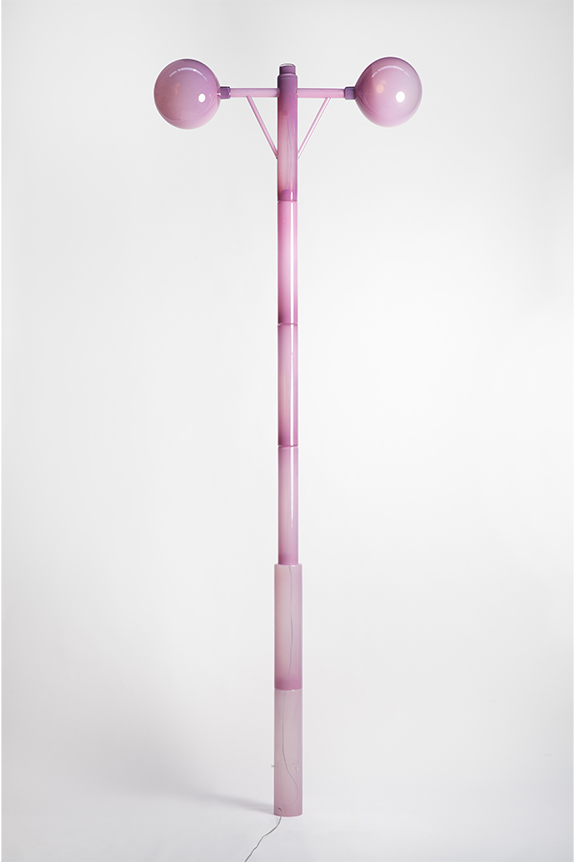
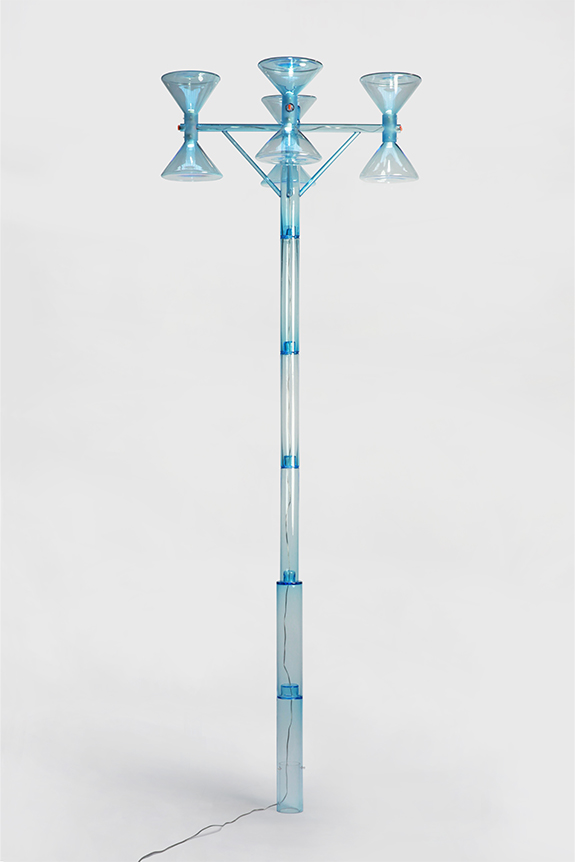
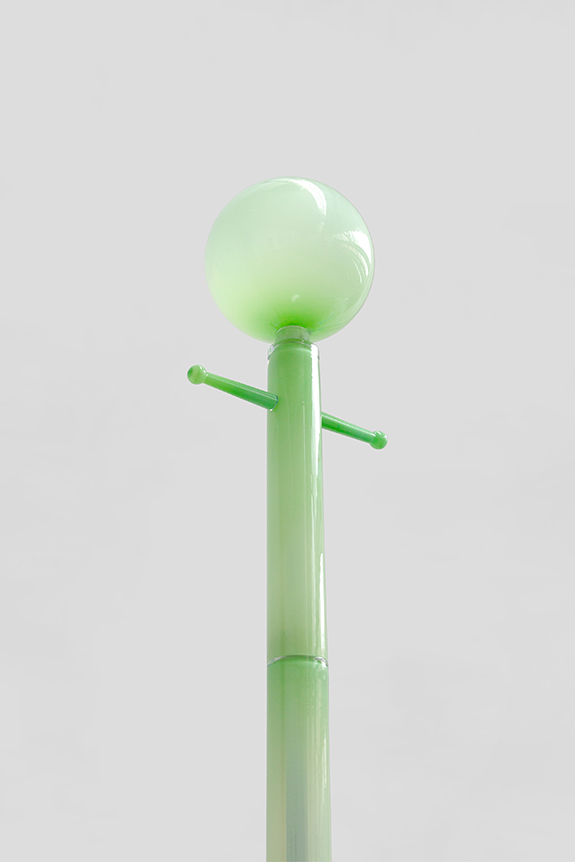
The result of a two-year collaboration between the London-based collective JAM and the Cirva in Marseille, Lampposts is now on display at Galerie kreo. Comprising five street lamps, the collection defies gravity. Distant cousins of their urban archetypes, these totemic compositions push the structural limits of glass, whether molded or blown. Standing between 2.2 and 3.5 meters tall, these colorful giants invite visitors to contemplate them in the dim light of 31 rue Dauphine in Paris. It is a striking assembly, on view until December 23, which we discussed with its creators: Joe Halligan, Dan Waterstone, and Adam Willis.

‍

‍Can you tell us about your two years spent at Cirva and the research that led to the "Lampposts" project?

‍To be honest, we arrived at Cirva with a fairly open brief. As architects, we are interested in how things are made, how materials behave, and how we can push familiar processes into unknown territory. Cirva is an extraordinary place to explore these questions because it is designed for experimentation rather than the simple production of a predetermined object. So, the beginning was exploratory. We started by discovering the different qualities of glass and the processes available to us. There was blowing, molding, cutting, as well as assembly and material reuse. Several different projects emerged from this research—some more successful than others—but the street lamps gradually became the most ambitious project. What was particularly exciting was the relationship with the glassblowers. We developed a process of creating plaster molds that the glassblowers used to produce the individual glass cylinders that make up the lamps. It was a very direct collaboration between us and the artisans at Cirva. That is also what allowed the design to evolve throughout the manufacturing process, through trials and adjustments.

Lampposts collection, JAM © JAM Courtesy Galerie kreo

‍

‍At what point did this very "linear" drawing style become the main characteristic of your colorful structures?

‍Street lamps often have a very simple graphic aesthetic: a pole, an arm, and a globe. For our part, we liked the idea of reducing these familiar objects to their most basic lines. Glass offered an interesting way to achieve this, as it has a physical presence while also being able to almost disappear. The transparent tubes thus outline the object without giving it the solidity one would normally expect. As for the color, that was another discovery. Where the glass overlaps, where its thickness increases, the color becomes more intense. So, what seems quite simple from a distance becomes much richer and more complex as you move around it. Furthermore, there is a tension between the precision of the overall design and the irregularity of the handmade glass. And we really appreciate that relationship.

‍

The notion of scale and the "improbable" nature of creating such tall lighting fixtures were at the heart of your approach. Why is that?

‍We wanted to create something at a scale that didn't seem entirely reasonable for this material. Glass is generally associated with relatively small and delicate objects, whereas a street lamp is a piece of robust urban infrastructure. Bringing these two elements together results in a slightly absurd proposition. Scale also changes how one perceives an object. A classic table lamp fits into a room like a piece of furniture, but at two or three meters high, these street lamps take on an architectural dimension. They occupy space differently and become almost like characters with whom you share the room. There was also something exciting about attempting a project that we weren't entirely sure we could pull off. The technical difficulties became an integral part of the research, rather than just problems to be eliminated. Working at this scale pushed us, as well as the Cirva team, to develop new methods for manufacturing and assembling the pieces.

Lampposts collection, JAM © JAM Courtesy Galerie kreo

‍

‍You speak of an "element of urban infrastructure." What is your relationship with the city and the elements that compose it?

‍We are interested in the ordinary elements that give a city its unique character and atmosphere. Street lamps, railings, bollards, benches, and other pieces of street furniture are often overlooked, but taken together, they contribute enormously to our perception of a place. This is particularly evident in cinema, where an element as simple as a street lamp can immediately define the location, the era, or the mood of a scene. Think of the iconic street lamps of Paris or New York. These objects are an integral part of our collective image of a city, almost as if they were characters in their own right.

‍

‍You say you work with your glass street lamps "because it is the wrong material." What do you mean by that?

‍A street lamp is supposed to be solid, durable, economical, and resistant to the elements and everything else that might happen to it in a city. Glass is almost the exact opposite. It is fragile, difficult to work with, and in this specific case, its manufacture requires a considerable amount of labor. This contradiction was really the starting point. We liked the idea of taking something associated with solidity and permanence and reinventing it in a material that seems delicate and vulnerable. There is something interesting about using a material against its usual logic. It forces you to rethink the object, but also to explore qualities of the material that might otherwise go unnoticed.

Lampposts collection, JAM © JAM Courtesy Galerie kreo
Inscrivez-vous à notre newsletter pour recevoir chaque semaine l’actualité du design.