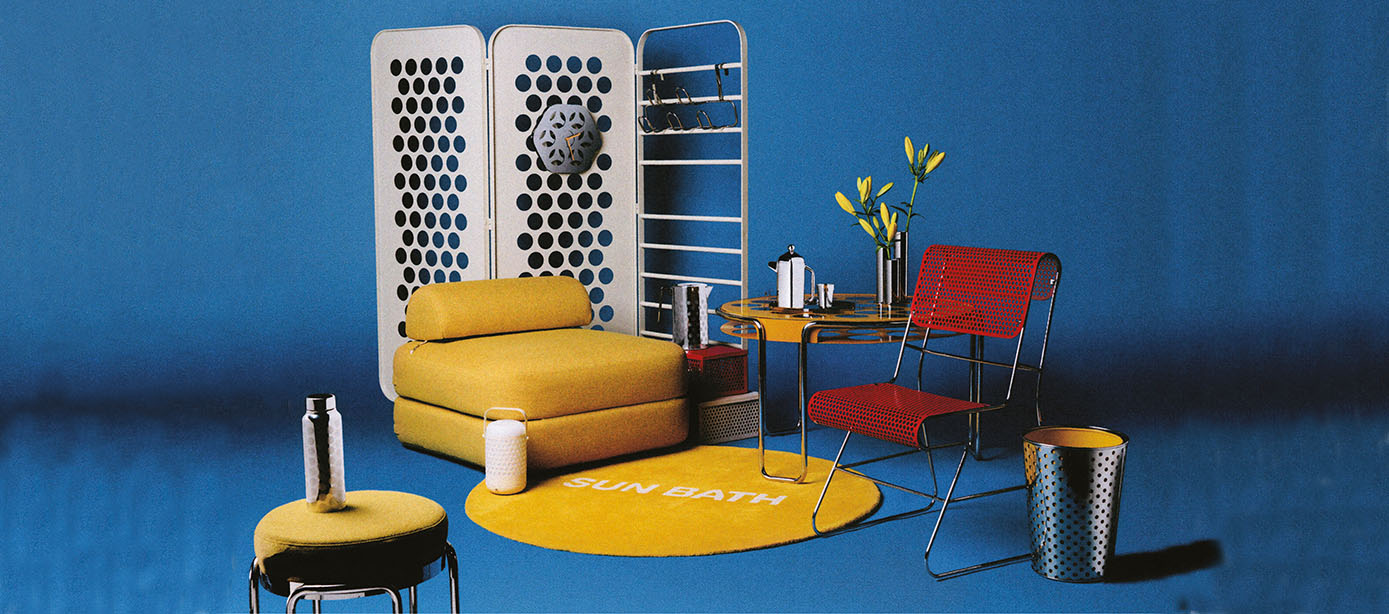


Hall Haus heads back to school at Monoprix
For the new season, Monoprix has invited Hall Haus to design a collection of furniture and decorative objects with an industrial aesthetic. We sat down with Sammy Bernoussi, co-founder of the Parisian studio, to discuss the collaboration.
Drawing on a world of hip-hop and sports influences, Hall Haus presents its collaboration with Monoprix. As the studio's first large-scale project, the collection brings a trendy industrial style to a wide range of home furniture and accessories. We spoke with Sammy Bernoussi, one of the collective's four co-founders, about this contemporary approach.
Hall Haus is often associated with an industrial aesthetic featuring perforated steel plates. Why did you choose to maintain this signature look for this collection?
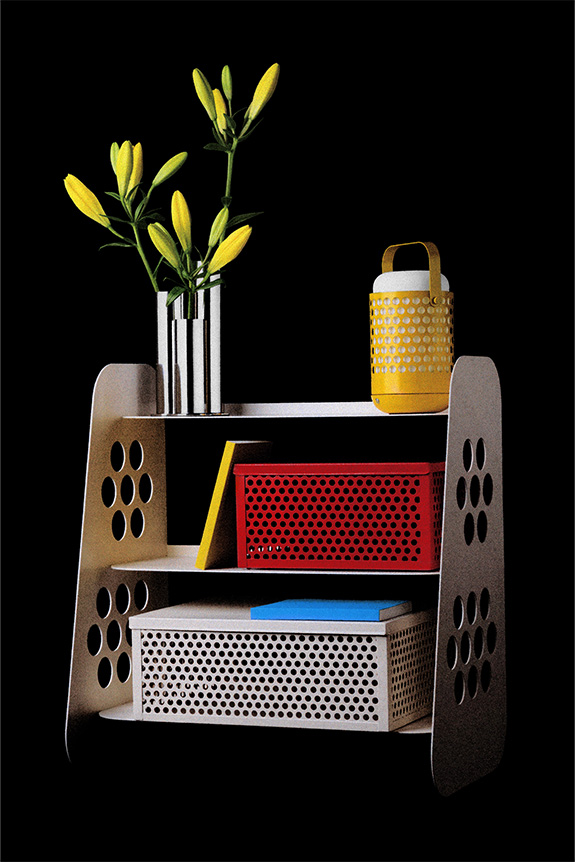
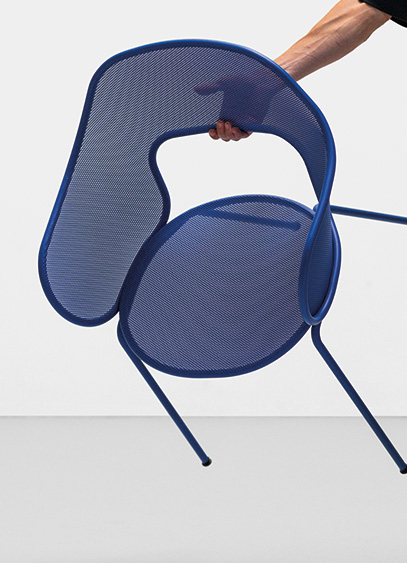
While you do see plates with holes, I think we’ve moved away from that slightly by building a bridge to Prisunic, specifically through the use of bent tubing. We had experimented with this technique before, but it was difficult for us due to our small production volumes. The collaboration with Monoprix opened new doors in terms of form and materials—like chrome, which is prohibitively expensive for small runs. Furthermore, working with Monoprix gave us the opportunity to create a truly comprehensive range. Aesthetically, we wanted it to reflect our past work while also realizing ideas we hadn't had the chance to bring to life yet. There’s a lot of talk about Bauhaus these days, so we had fun blending Breuer’s tubular structures with our own DNA. This collection is a mix of history and our own language, particularly when it comes to color. As a reminder, "Hall" comes from apartment building lobbies and the sense of community those spaces evoke, while the second part of our name is a nod to our affinity for the modernist Bauhaus movement.
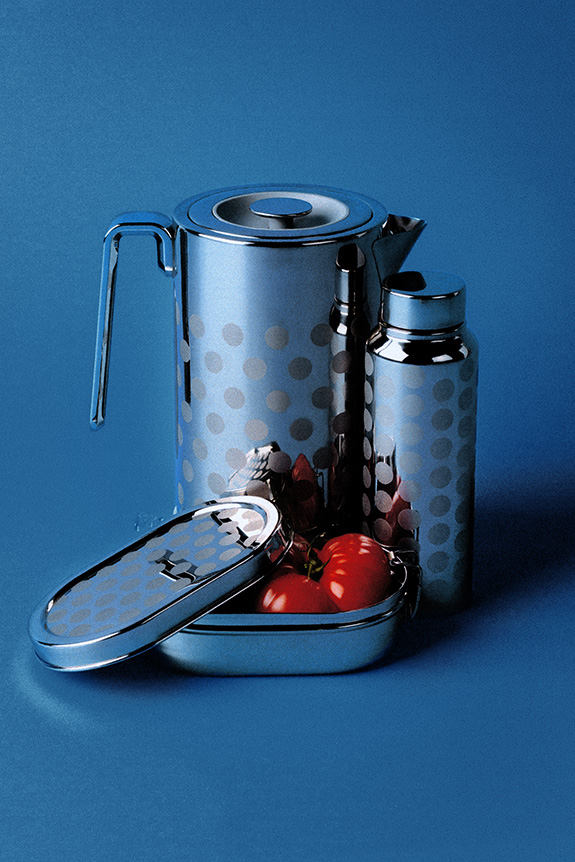
The collection stands out for its wide variety of typologies. Why is that?
We were given total creative freedom. The initial idea was to offer back-to-school essentials since we were launching in early September. We wanted a student to be able to furnish their new apartment with something beautiful and affordable—maybe spending just 10 euros more to get a customized piece. We started by designing over 45 objects and ended up manufacturing 27. We selected accessible typologies, but we also decided to hybridize others. For example, we removed the dryer, but added bars to the room divider to give it a new function as a drying rack. It resulted in a really interesting piece for small apartments. I’m convinced that everyone can find something useful for their home in this collection.
Collectors are used to seeing color in your previous work. Yet, the collection you’re offering now seems to favor sobriety.
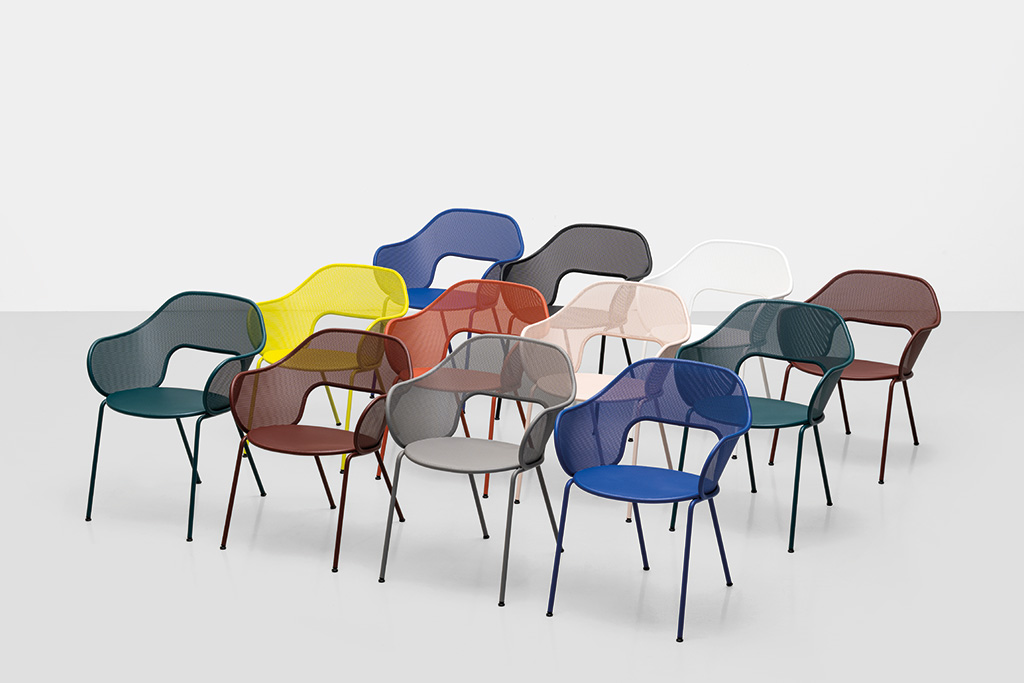
It’s true that the studio’s creations are often customizable in bright colors, but for our collaboration with Monoprix, we had to rationalize. We removed the pink, kept blue only for the shopping cart, and opted for yellow and beige—a neutral tone that remains in high demand. Then, we simply accented the collection with a touch of red as a nod to Monoprix. With the modernist chrome base, we had a lot of freedom in our color choices, so it all felt very natural.