Les Trophées du Meuble : "Récompenser les savoir-faire, et de le faire savoir"

Les Trophées du Meuble : "Récompenser les savoir-faire, et de le faire savoir"

Pour le lancement de la première édition des Trophées du Meuble, Dantès Presse, éditeur du Courrier du Meuble, Cuisine & bains magazine et Concept Bains, avec le magazine Intramuros, a noué un partenariat avec Maison&Objet, qui se traduira notamment par l’organisation d’une grande cérémonie de remise des prix sur le salon le 14 janvier 2027. Frédéric Marty, directeur général de Dantès Presse et rédacteur en chef d'Intramuros, et Vincent Lhoste, directeur général de la Safi, passent en revue les tenants et aboutissants de ce nouvel événement.

‍

Dantès Presse lance en 2026, avec Intramuros, la première édition des Trophées du Meuble. En quoi consiste cet événement, et pourquoi cette initiative ?

Frédéric Marty : Le positionnement de nos différents magazines, Le Courrier du meuble qui est le magazine B to B historique de la filière meuble, Cuisine & bains magazine et Concept Bains, qui sont des titres leaders sur le secteur de la cuisine et du bain, en association avec le magazine Intramuros, référent dans le domaine du design, nous offre une vision globale du marché du meuble. Nous avons fait le constat que ces différents univers, tous positionnés dans l’équipement de l’habitat et l’architecture d’intérieur, ont leur propres concours et prix, mais manquent d’accointances et de passerelles entre eux. L’idée majeure des Trophées du Meuble est de remplir un vide sur le marché en créant un concours transversal, qui permet de récompenser les savoir-faire d’excellence de toutes ces entreprises, industrielles ou artisanales, sans lesquelles les créations des designers ne pourraient pas voir le jour.

Quel accueil avez-vous reçu de la part des acteurs du marché, où en sommes-nous du calendrier au début novembre ?

Frédéric Marty : Nous avons tout de suite reçu un accueil très positif, qui nous a encouragés à aller au bout de notre démarche. On parle aujourd’hui beaucoup de design collectible, de séries limitées, de créations exclusives, mais pas assez de design industriel, et de l’expertise des fabricants et artisans, remarquable en France et en Europe, qui est à la base de la qualité de nos produits et de leur diffusion à grande échelle. Nous devons rendre hommage et soutenir toutes ces entreprises qui investissent, innovent et prennent des risques. Pour remplir ce rôle, les Trophées du Meuble sont déclinés en 11 catégories – salons, mobilier outdoor, éco-meuble, contract, etc – dans lesquelles trois récompenses – Premier Prix, Prix spécial du jury et Prix du public, soit 33 prix au total – seront décernées par un jury indépendant et composé d’experts de chaque secteur, pour supprimer tout risque de connivence ou d’entre-soi. En ce qui concerne le calendrier, les inscriptions sont ouvertes jusqu’au 15 décembre 2026, ce qui permettra aux jurys de délibérer avant la fin de l’année, pour une remise des prix qui fera l’objet d’une grande cérémonie, le 14 janvier 2027 sur Maison&Objet.
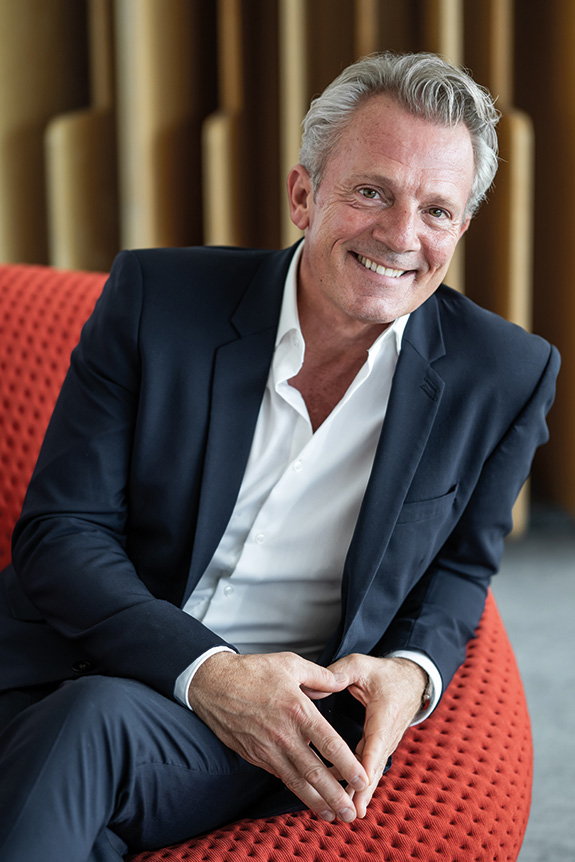
Vincent Lhoste, président de la Safi © Anne-Emmanuelle Thion

‍On ne présente plus Maison&Objet, un événement majeur de notre secteur, mais le concept a beaucoup évolué ces dernières éditions. Pouvez-vous nous le présenter dans ses grandes lignes ?

Vincent Lhoste : Maison&Objet est aujourd’hui bien plus qu’un salon. C’est un écosystème qui accompagne les professionnels tout au long de l’année, à travers nos rendez-vous physiques, notre plateforme digitale MOM et les événements qui font vivre le design à Paris, la Paris Design Week en septembre, et In the City en janvier. Notre ambition est restée la même : créer des rencontres utiles entre les marques, les prescripteurs, les distributeurs et les acheteurs, et leur donner les moyens de faire émerger de nouveaux projets. Nos deux rendez-vous parisiens ont des identités complémentaires. En septembre, Maison&Objet Pulse met l’accent sur le mouvement, l’innovation et les nouvelles façons d’habiter et de créer. C’est un temps d’exploration, ouvert aux tendances et aux futurs possibles. En janvier, Maison&Objet Premier affirme une dimension plus premium, avec une attention particulière portée à l’excellence, aux savoir-faire et aux signatures d’exception. Cette édition élargit aussi le regard, de l’objet à l’espace et aux nouveaux usages, notamment dans la décoration haut de gamme et le Contract.

Le compagnonnage de Maison&Objet et des acteurs du meuble est une longue histoire. Quel est le profil des marques de meuble qui exposent sur le salon, et en quoi ce rendez-vous est-il intéressant pour elles ?

Vincent Lhoste : Le salon réunit des profils variés : des maisons établies comme des marques plus récentes, des éditeurs, des fabricants et des créateurs. Ils partagent une même exigence de conception, de qualité et de différenciation, avec des propositions qui vont du mobilier aux solutions d’aménagement et aux projets destinés à l’hospitality ou au Contract. Pour ces marques, Maison&Objet est un lieu de visibilité et de développement commercial. Elles peuvent y présenter leurs collections, rencontrer des acheteurs internationaux, des distributeurs et des prescripteurs, mais aussi confronter leurs propositions aux évolutions du marché. Le salon crée les conditions d’échanges qui peuvent se prolonger en projets concrets, en référencement et en commandes.
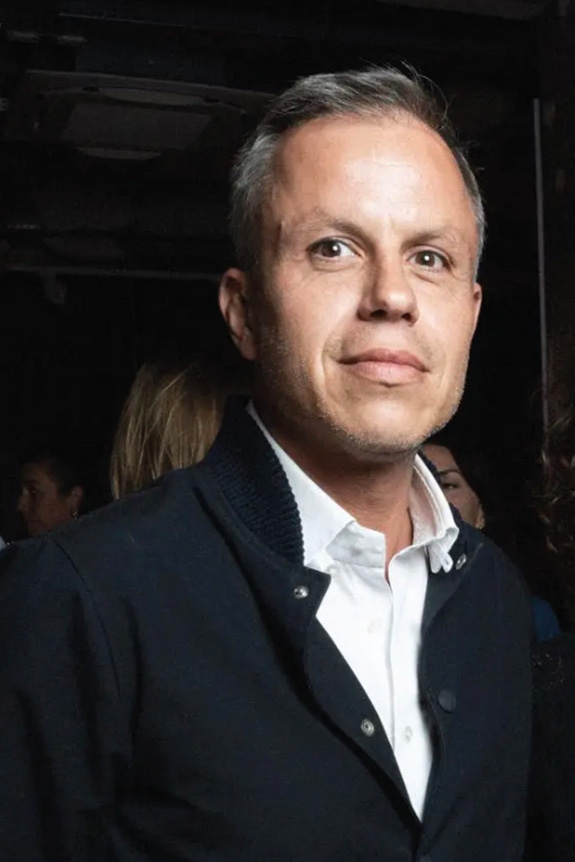
Frédéric Marty, directeur général de Dantès Presse et rédacteur en chef d'Intramuros

‍La remise des premiers Trophées du Meuble aura lieu en janvier prochain sur Maison&Objet Premier, qui aura lieu du 14 au 18 janvier. Pourquoi avoir choisi ce rendez-vous ?

Frédéric Marty : Dès le lancement de notre concours, Maison&Objet a manifesté sa volonté d’être notre partenaire, et nos équipes se sont réunies pour travailler ensemble à l’élaboration du meilleur projet possible. Maison&Objet est effectivement le partenaire idéal, en raison de sa vision transversale du marché : le salon couvre presque tous les secteurs de l’habitat, en accueillant de nombreux profils de mobilier pour le domestique et le contract, qui sont couverts par nos différents magazines. Nos titres et le salon sont complémentaires : les lauréats des Trophées du Meuble, mais aussi l’ensemble des participants, vont bénéficier d’une couverture rédactionnelle dans nos colonnes, mais aussi de la caisse de résonnance de Maison&Objet, et de toute la couverture médiatique de l’événement, par les publications papier ou web françaises et internationales. Notre volonté est de donner la plus vaste audience possible à la créativité, et aux savoir-faire des acteurs de nos marchés.

En quoi Maison&Objet Premier, dont la première édition aura lieu en janvier, est-il le bon rendez-vous pour accueillir les Trophées du meuble ?

Vincent Lhoste : Maison&Objet Premier est un cadre particulièrement juste pour accueillir ces Trophées, parce qu’il met en lumière l’excellence, l’innovation et les savoir-faire qui font évoluer la filière. Le meuble a toujours eu une place importante dans l’histoire de notre salon, et le nouveau concept Maison&Objet Premier, qui a lieu au mois de janvier, offre aux marques de meuble un terrain d’expression privilégié. Les Trophées du meuble, organisés par Le Courrier du Meuble avec Intramuros, Cuisines & Bains Magazine et Concept Bain, distinguent des entreprises, des innovations et des savoir-faire dans les univers de l’ameublement, du design et du Contract. Leur présence à Maison&Objet Premier donne une visibilité à celles et ceux qui font avancer ces secteurs. Elle traduit aussi notre volonté de faire dialoguer les différents métiers de l’aménagement et de célébrer les initiatives qui contribuent à leur transformation.

Informations et inscriptions : https://lestropheesdumeuble.fr/
Rédigé par 
La rédaction

Vous aimerez aussi

Temps de lecture
10/11/2026
Avec Noir Mat et Raw, Elica mets le noir dans tous ses états

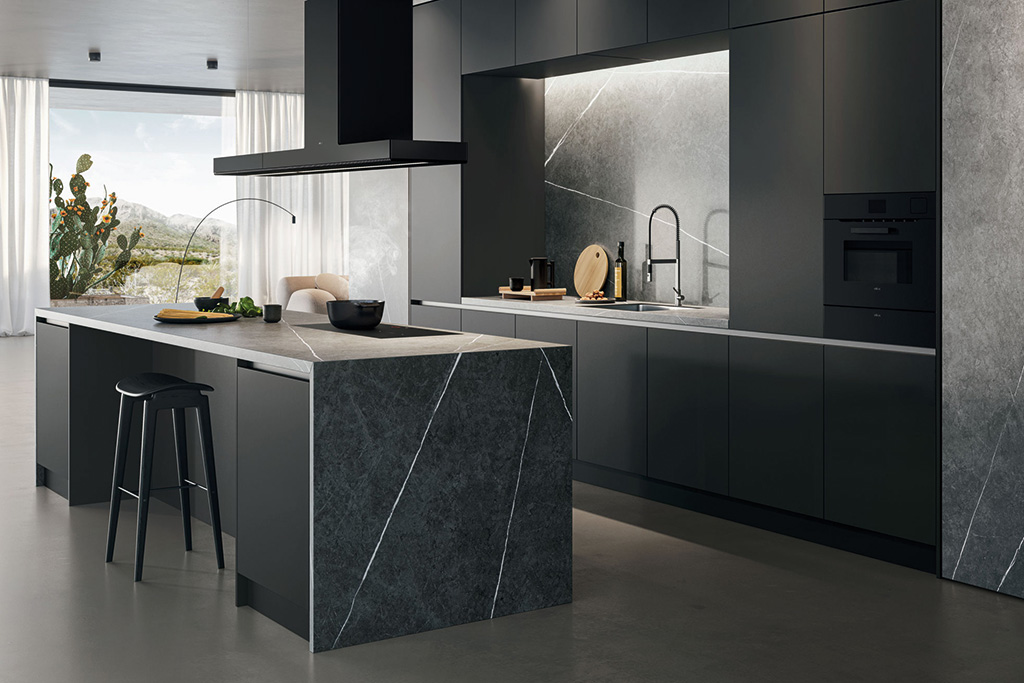
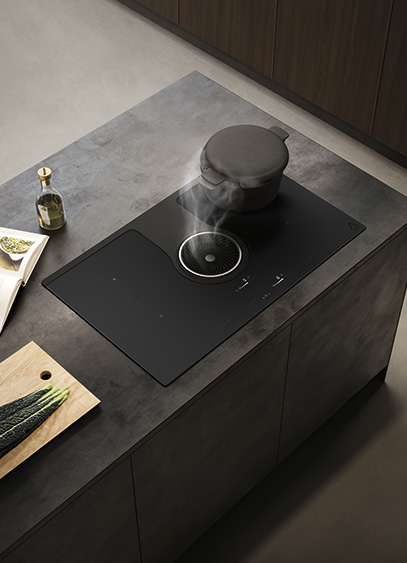
Avec ses finitions Noir Mat et Raw, Elica explore les possibilités esthétiques et techniques du noir mat dans la cuisine. Des hottes aux plaques de cuisson, en passant par les fours et les luminaires, la marque italienne développe un langage esthétique commun, où design, innovation et fonctionnalité se rencontrent.

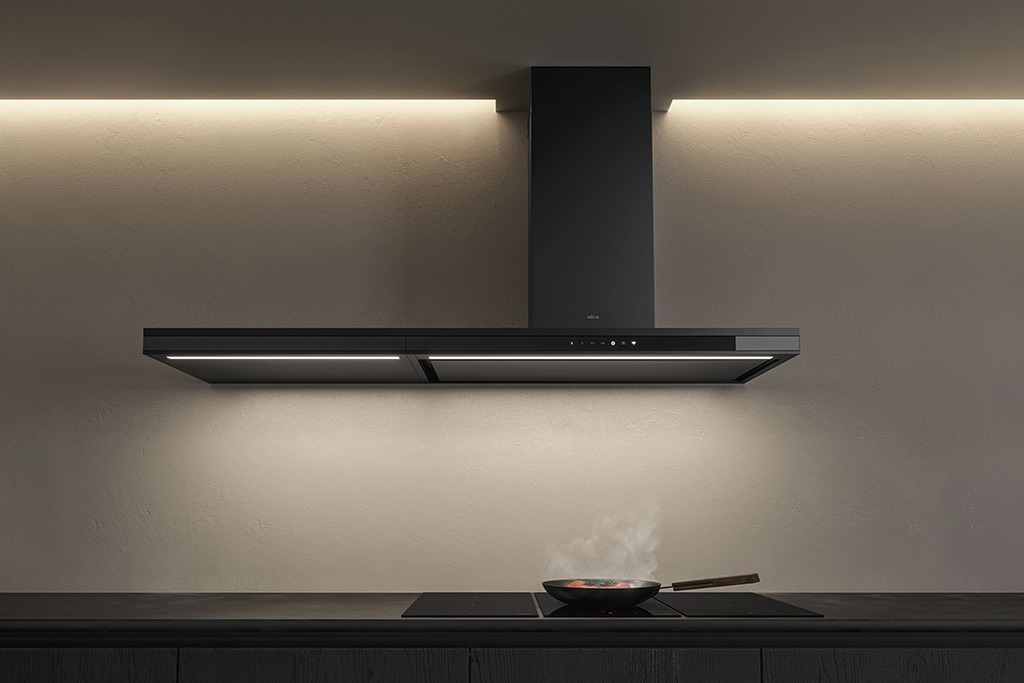
Longtemps privilégié pour son élégance et sa sobriété, le noir mat s'impose aujourd'hui comme une finition à part entière dans l'univers de la cuisine. Une tendance dont Elica s'empare à travers deux propositions complémentaires : Noir Mat et Raw. Pensées comme un fil conducteur esthétique, ces dernières habillent différentes typologies de produits, des hottes aux fours, jusqu'à sa lampe Luna, permettant de créer une continuité visuelle entre les équipements. Une approche qui accompagne l'évolution de la cuisine, désormais envisagée comme une véritable pièce de vie, où les équipements techniques participent pleinement à l'aménagement intérieur.

© Elica

Raw, la matière au service de l'usage

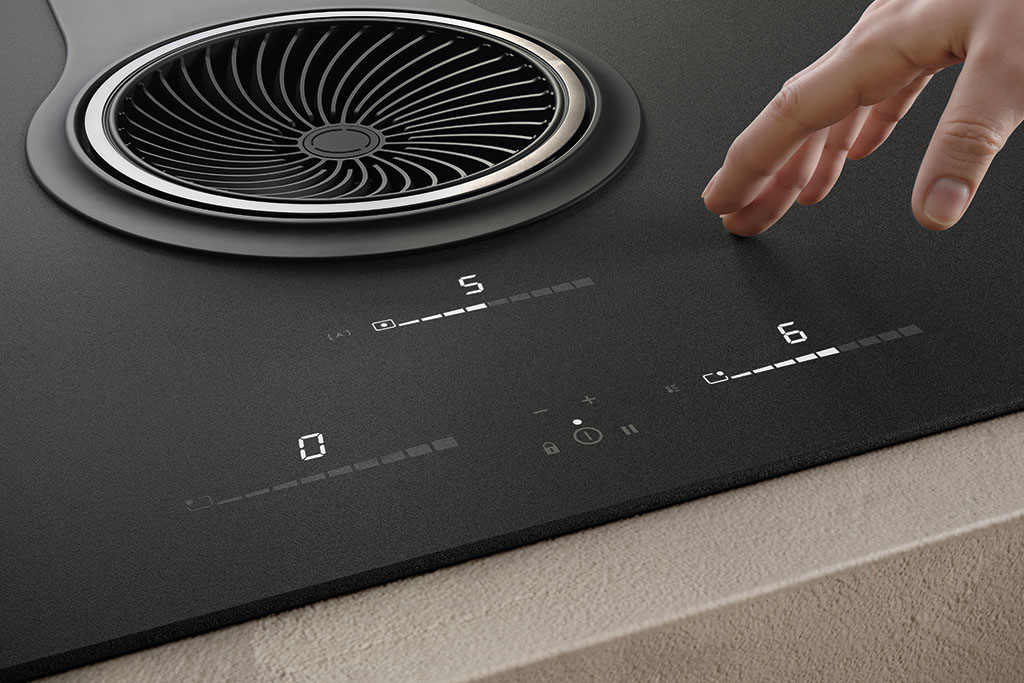
Au-delà de ses qualités esthétiques, le noir mat est devenu un terrain d'innovation pour Elica. Avec Raw, la marque développe une finition en verre noir mat qui associe recherche sur les matériaux et praticité. Appliquée notamment aux plaques aspirantes NikolaTesla, aux plaques à induction et au système de cuisson Lhov, cette finition se distingue par son aspect texturé et ses propriétés techniques. Conçue pour répondre aux contraintes d'une utilisation quotidienne, Raw sophistiquée facilite grandement le nettoyage et l'entretien : sa surface résistante contre les rayures causées par casseroles et ustensiles et les traces de doigts. La surface Noir Mat offre également une simplicité de nettoyage au quotidien.

© Elica

À travers Noir Mat et Raw, Elica dépasse ainsi la simple question de la couleur pour envisager la finition comme un véritable élément de conception de la cuisine. Une manière de repenser les équipements, où la matière ne se contente plus d'habiller l'objet, mais participe pleinement à son usage et à son identité.

© Elica
Temps de lecture
9/11/2026
Didheya x Iratzoki Studio: stainless steel reinvented

Specializing in the design and manufacture of stainless steel products for over 30 years, the Basque brand Didheya is opening a new chapter in its history with Urban Furniture. This new line of furniture, developed in collaboration with Iratzoki Studio, consists of five collections designed for both public and private spaces.

‍

Founded in 1994 in Irun, in the Spanish Basque Country, Didheya has built its expertise around working with stainless steel. Initially specializing in hardware and architectural accessories, the brand gradually diversified into the transport sector, notably developing equipment for trains, subways, and buses. Today, it aims to apply this industrial expertise to furniture through Urban Furniture, a line conceived in collaboration with Iratzoki Studio that marks a new stage in its development.

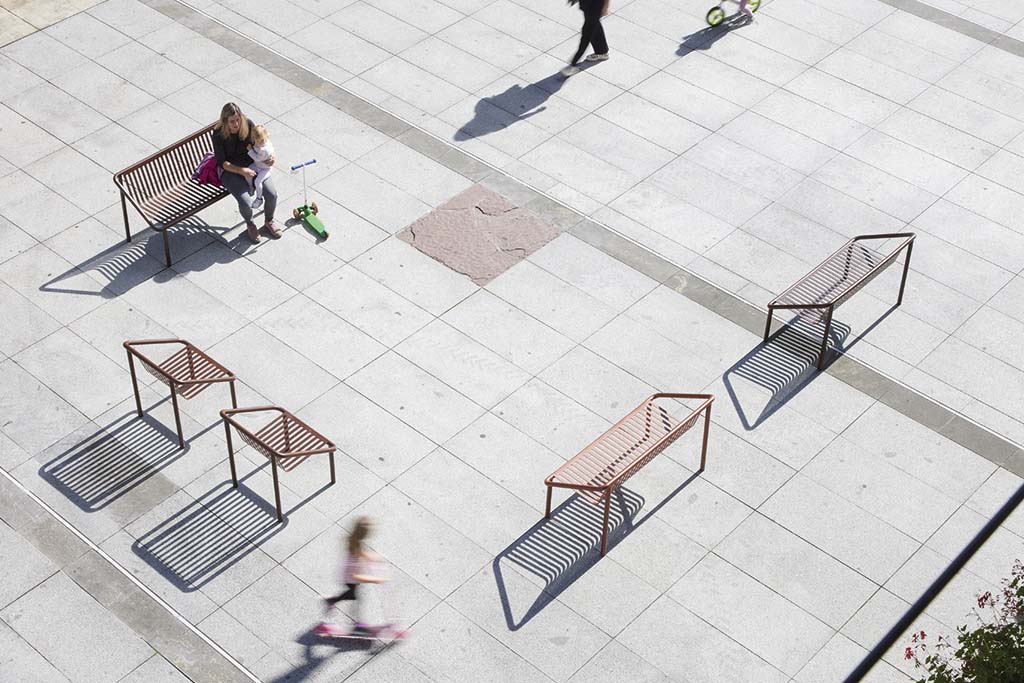
Aroa collection, design: Iratzoki Studio © Didheya

Five collections at the crossroads of design and industry

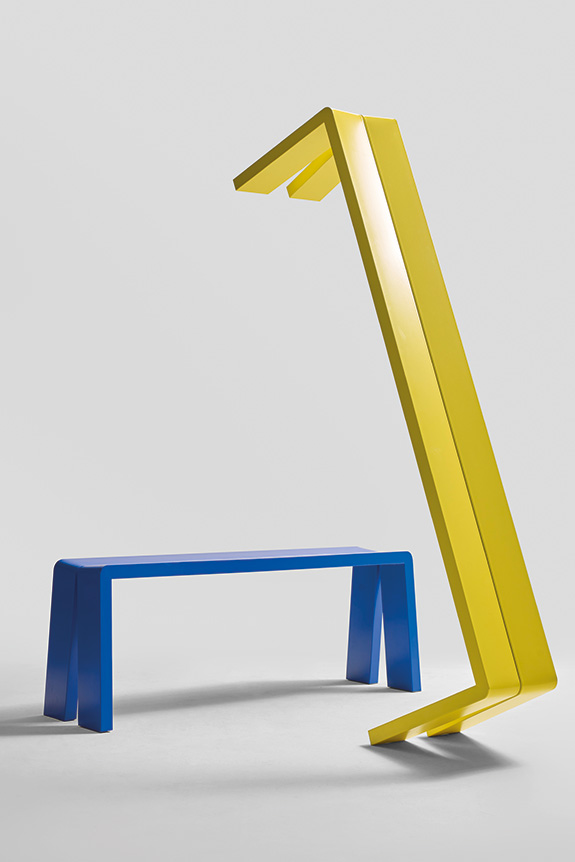
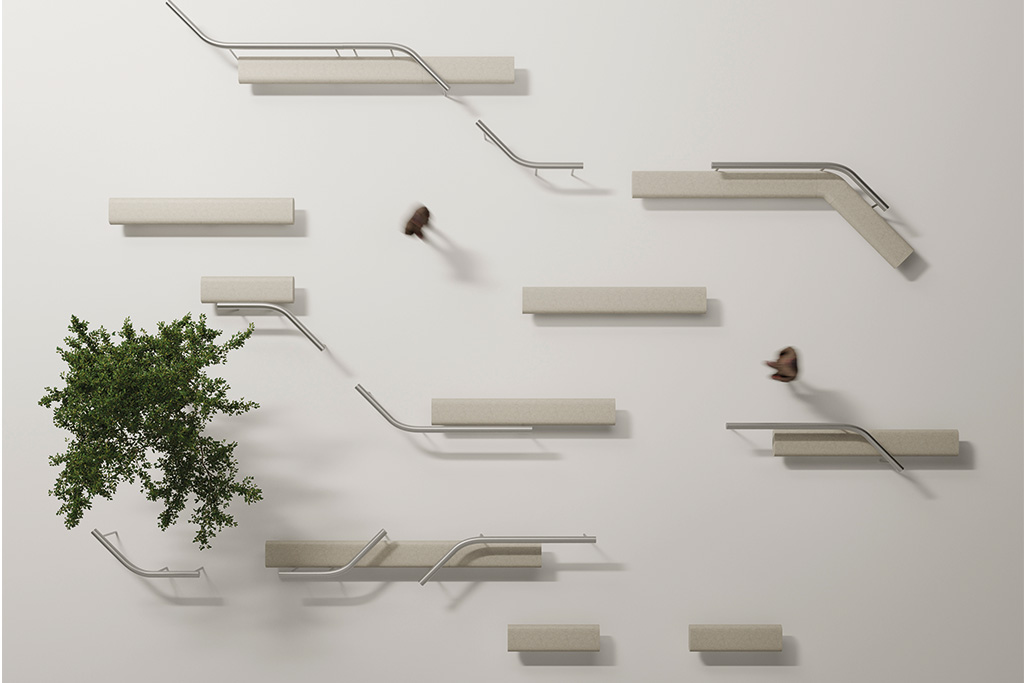
The result of a long-standing relationship between Didheya and Basque designer Jean-Louis Iratzoki, this collaboration is unveiled through five collections titled Hanka, Hodi, Aroa, Ingude, and Luze. Beyond the design of the pieces, the project is based on a shared reflection on materials, manufacturing processes, and usage, with the aim of offering furniture that is functional, durable, and capable of integrating into various environments.

Hanka collection, design: Iratzoki Studio © Didheya

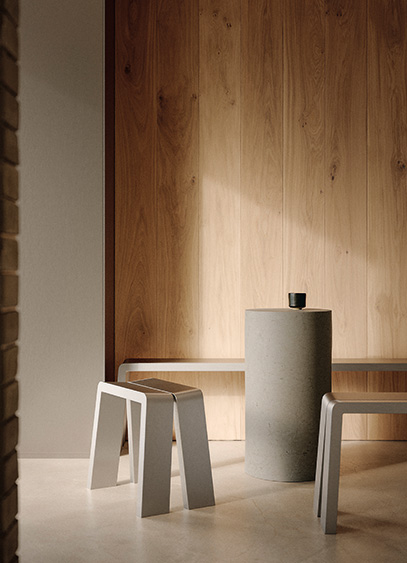
Stainless steel, Didheya's material of choice, serves as the common thread throughout the collections, sometimes combined with solid wood, concrete, or stone. "Our work focused on stainless steel, with an opening toward outdoor furniture intended for both public and private spaces. We sought to design durable, resistant, easy-to-maintain, and environmentally friendly products,"explains the designer.

Luze collection, design: Iratzoki Studio © Didheya

Initially conceived for outdoor use, these collections stand out for their versatility and the diversity of their finishes, allowing them to also find their place in interior spaces. From urban squares to university campuses and hotel common areas, they demonstrate a desire to go beyond the mere function of furniture to make it an integral part of the architecture of a space.

Captions: left, Ingude collection, design: Iratzoki Studio © Didheya / right: Hodi collection, design: Iratzoki Studio © Didheya

Temps de lecture
6/11/2026
At Galerie kreo, the glass and electric giants of the JAM collective

Through December 23, the London-based collective JAM is presenting Lampposts at Galerie kreo. The exhibition features a collection of glass street lamps created in collaboration with the Cirva in Marseille.

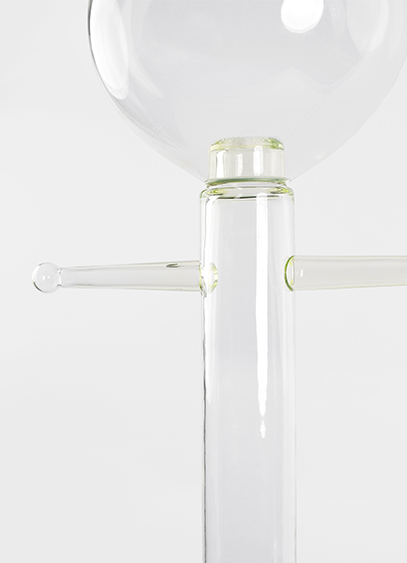
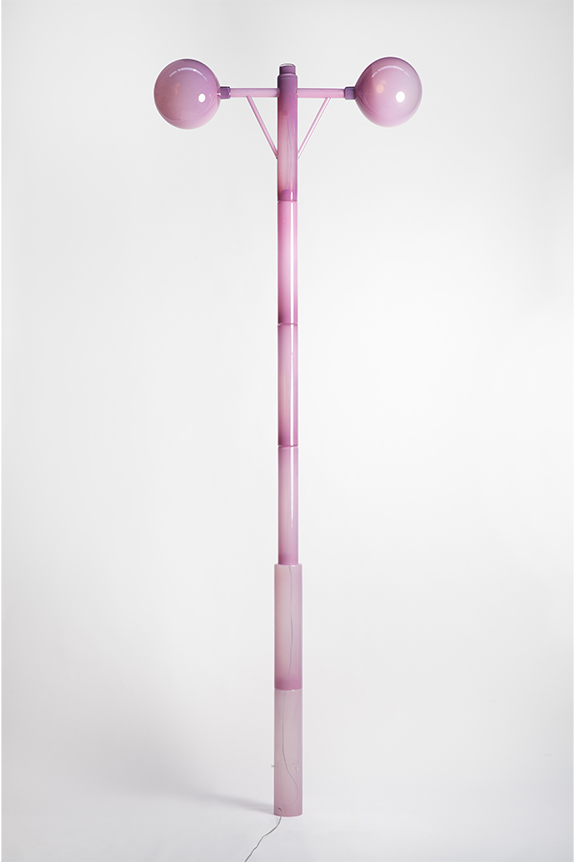
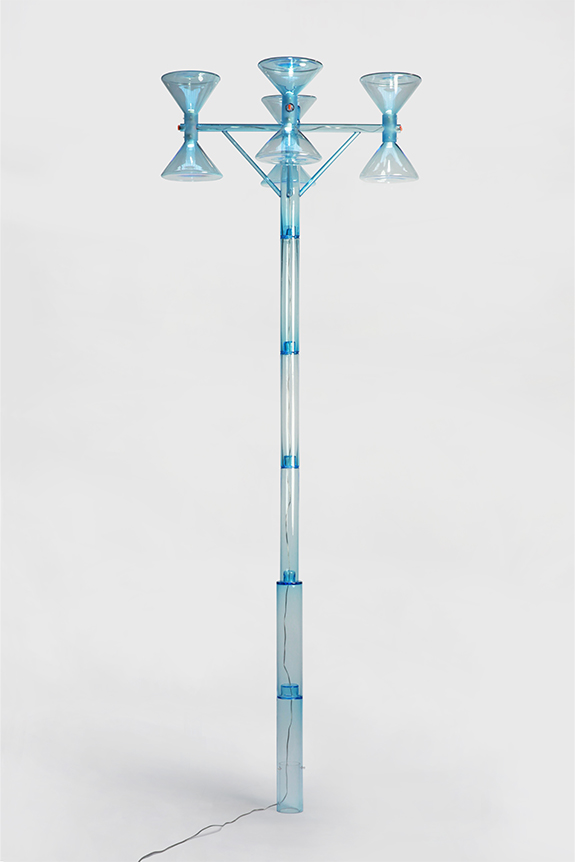
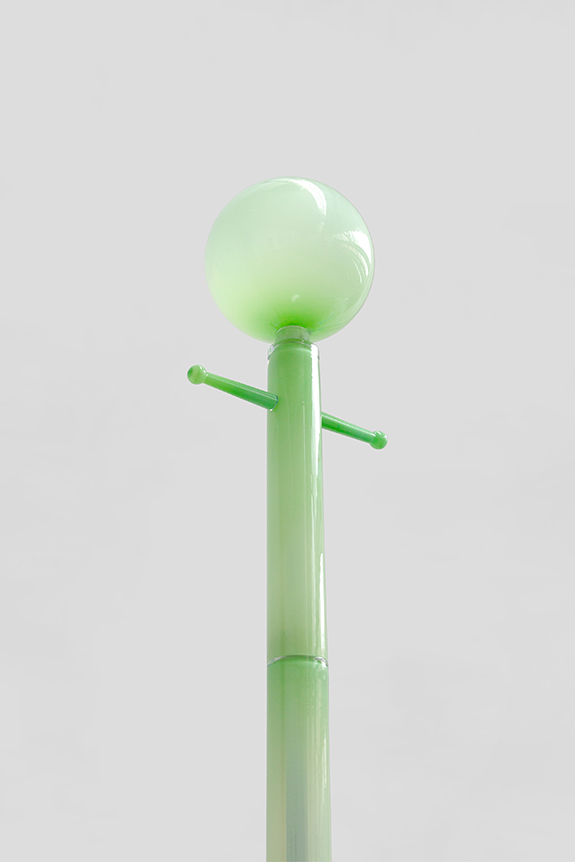
The result of a two-year collaboration between the London-based collective JAM and the Cirva in Marseille, Lampposts is now on display at Galerie kreo. Comprising five street lamps, the collection defies gravity. Distant cousins of their urban archetypes, these totemic compositions push the structural limits of glass, whether molded or blown. Standing between 2.2 and 3.5 meters tall, these colorful giants invite visitors to contemplate them in the dim light of 31 rue Dauphine in Paris. It is a striking assembly, on view until December 23, which we discussed with its creators: Joe Halligan, Dan Waterstone, and Adam Willis.

‍

‍Can you tell us about your two years spent at Cirva and the research that led to the "Lampposts" project?

‍To be honest, we arrived at Cirva with a fairly open brief. As architects, we are interested in how things are made, how materials behave, and how we can push familiar processes into unknown territory. Cirva is an extraordinary place to explore these questions because it is designed for experimentation rather than the simple production of a predetermined object. So, the beginning was exploratory. We started by discovering the different qualities of glass and the processes available to us. There was blowing, molding, cutting, as well as assembly and material reuse. Several different projects emerged from this research—some more successful than others—but the street lamps gradually became the most ambitious project. What was particularly exciting was the relationship with the glassblowers. We developed a process of creating plaster molds that the glassblowers used to produce the individual glass cylinders that make up the lamps. It was a very direct collaboration between us and the artisans at Cirva. That is also what allowed the design to evolve throughout the manufacturing process, through trials and adjustments.

Lampposts collection, JAM © JAM Courtesy Galerie kreo

‍

‍At what point did this very "linear" drawing style become the main characteristic of your colorful structures?

‍Street lamps often have a very simple graphic aesthetic: a pole, an arm, and a globe. For our part, we liked the idea of reducing these familiar objects to their most basic lines. Glass offered an interesting way to achieve this, as it has a physical presence while also being able to almost disappear. The transparent tubes thus outline the object without giving it the solidity one would normally expect. As for the color, that was another discovery. Where the glass overlaps, where its thickness increases, the color becomes more intense. So, what seems quite simple from a distance becomes much richer and more complex as you move around it. Furthermore, there is a tension between the precision of the overall design and the irregularity of the handmade glass. And we really appreciate that relationship.

‍

The notion of scale and the "improbable" nature of creating such tall lighting fixtures were at the heart of your approach. Why is that?

‍We wanted to create something at a scale that didn't seem entirely reasonable for this material. Glass is generally associated with relatively small and delicate objects, whereas a street lamp is a piece of robust urban infrastructure. Bringing these two elements together results in a slightly absurd proposition. Scale also changes how one perceives an object. A classic table lamp fits into a room like a piece of furniture, but at two or three meters high, these street lamps take on an architectural dimension. They occupy space differently and become almost like characters with whom you share the room. There was also something exciting about attempting a project that we weren't entirely sure we could pull off. The technical difficulties became an integral part of the research, rather than just problems to be eliminated. Working at this scale pushed us, as well as the Cirva team, to develop new methods for manufacturing and assembling the pieces.

Lampposts collection, JAM © JAM Courtesy Galerie kreo

‍

‍You speak of an "element of urban infrastructure." What is your relationship with the city and the elements that compose it?

‍We are interested in the ordinary elements that give a city its unique character and atmosphere. Street lamps, railings, bollards, benches, and other pieces of street furniture are often overlooked, but taken together, they contribute enormously to our perception of a place. This is particularly evident in cinema, where an element as simple as a street lamp can immediately define the location, the era, or the mood of a scene. Think of the iconic street lamps of Paris or New York. These objects are an integral part of our collective image of a city, almost as if they were characters in their own right.

‍

‍You say you work with your glass street lamps "because it is the wrong material." What do you mean by that?

‍A street lamp is supposed to be solid, durable, economical, and resistant to the elements and everything else that might happen to it in a city. Glass is almost the exact opposite. It is fragile, difficult to work with, and in this specific case, its manufacture requires a considerable amount of labor. This contradiction was really the starting point. We liked the idea of taking something associated with solidity and permanence and reinventing it in a material that seems delicate and vulnerable. There is something interesting about using a material against its usual logic. It forces you to rethink the object, but also to explore qualities of the material that might otherwise go unnoticed.

Lampposts collection, JAM © JAM Courtesy Galerie kreo
Temps de lecture
5/11/2026
ARWENN: design without compromise

Founded by Ruben Hutschemaekers and designer Sebastian Schönheit, the German furniture brand ARWENN launched in September with an initial collection of over 40 products, ranging from furniture and lighting to accessories and small objects. The brand aims to make design accessible in every sense.

‍

After several weeks of social media teasers, the Berlin-based furniture brand ARWENN finally debuted in early September with an initial collection featuring a wide variety of product types, some of which were created in collaboration with international designers. These include Maria Jeglińska-Adamczewska, Studio Œ, Jörg Schellmann, and Unknown, Untitled. ARWENN aims to offer simple yet thoughtful design without neglecting the customer experience, which is central to its approach. Founders Ruben Hutschemaekers and Sebastian Schönheit share their vision.

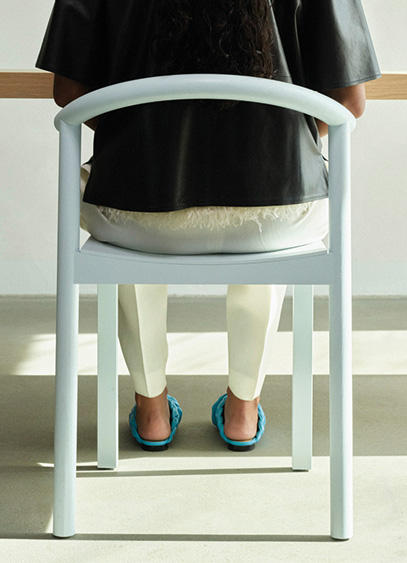
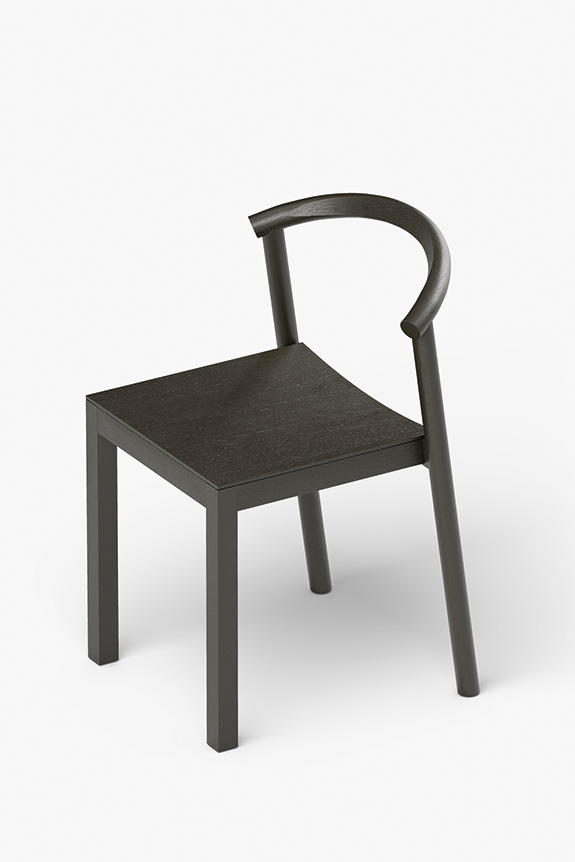
BOXY chair, design: Maria Jeglińska-Adamczewska © ARWENN

‍

How did the idea for ARWENN come about?

ARWENN was born from a desire to meet the expectations of today's consumers. We believe that good design should combine a strong brand identity, affordable prices, uncompromising quality, and immediate availability. Too often, customers have to choose between these criteria. With ARWENN, we wanted to bring them all together.

You launched ARWENN in September, unveiling a collection of over 60 products. What were the main challenges in launching a new design brand? How long did it take to bring this project to life?

It took almost two years from the initial idea to where we are today. We started almost from scratch, as we had to build the brand identity, the supply chain, the business structure, and, of course, the collections themselves. Bringing all these elements together in such a short time was a real challenge. But having the right people around us from the start made a huge difference.

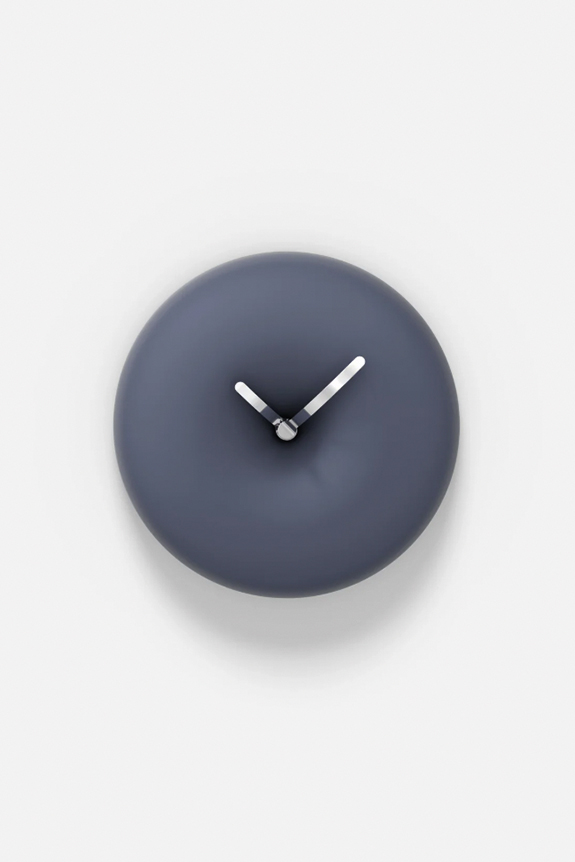
CLOUD clock, design: Studio Œ © ARWENN

‍

If you had to summarize the identity and DNA of ARWENN in a few words, what would you say? What vision of design do you want to convey through the brand?

"Simplicity with a twist." That probably sums up ARWENN best. This idea applies as much to our products as it does to the overall experience we want to offer our customers. We stand for simple, thoughtful design, but always with an unexpected element that gives it character. Ultimately, nothing too complicated, but never anything mundane.

For this first collection, you collaborated with several international designers. How did you select them?

From the start, we made a promise to ourselves: to work only with people we enjoy collaborating with. Obviously, talent and creativity are essential, but mindset, work ethic, and a shared desire to create something meaningful are just as important. Over the years, we have had the opportunity to meet many inspiring people whose work and personality we admire. It is particularly rewarding to see some of these relationships take shape within the ARWENN collections today. Each designer brings a different perspective, but we all share a common vision of what we want to develop.

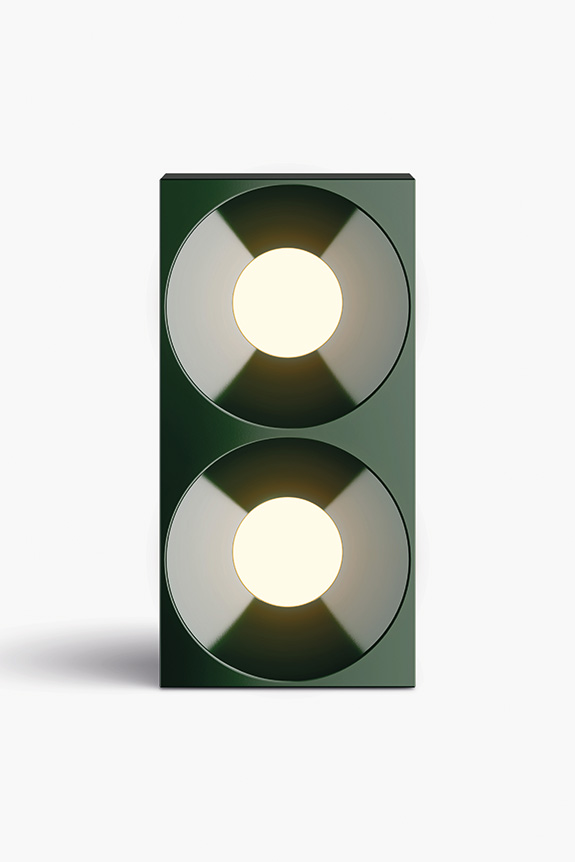
SOLID lamp, design: RelvaoKellermann © ARWENN

‍

ARWENN also has its own in-house design team. How does it work and what role does it play in the development of the collections?

Design and product development are at the heart of what we love to do. It was therefore natural for us to keep this creative energy within the brand. We enjoy collaborating with external designers, but some projects also start with a very specific idea from the beginning. Sometimes, the challenge is less about exploring a new creative direction and more about finding the smartest and most efficient way to design a good product. In those cases, our internal team takes over, which allows us to approach design from different angles while staying close to the realities of production, pricing, and product availability.

How is the production of your pieces organized and where are they manufactured?

All of our furniture is manufactured in Europe, with industrial partners located in Denmark, Germany, and Slovakia. Our lighting collection is produced in China, where we found a particularly high level of technical expertise and industrial development. The production capabilities there are impressive, especially regarding innovative manufacturing processes. For all our collections, we place great importance on optimizing packaging and transport. "Flat-pack" solutions play an important role in this approach, as they allow us to reduce transport volumes and, ultimately, make the products more accessible.

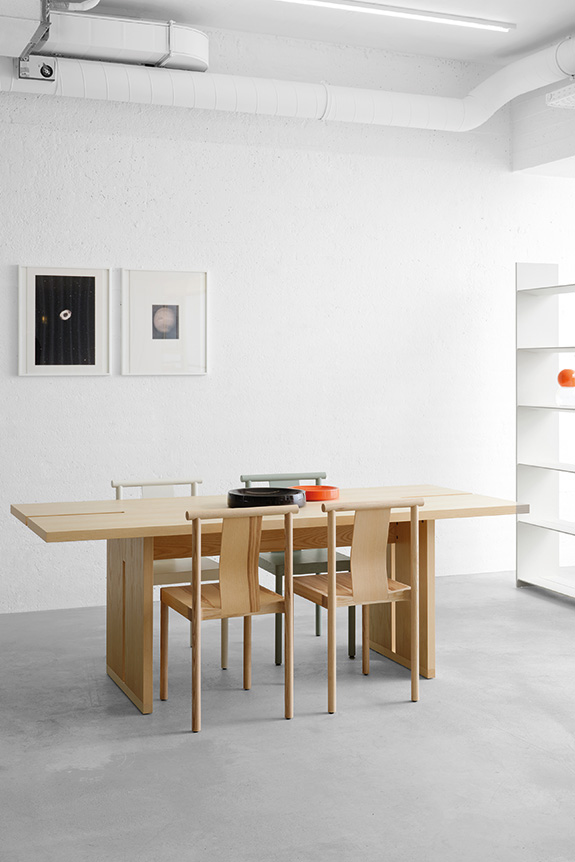
ARWENN store, Berlin © Gerhardt Kellermann

‍

You opened your first boutique in Berlin at the end of October. What does this new milestone represent for ARWENN?

Opening our first boutique in Berlin marks a significant milestone, as it brings the entire ARWENN universe together in one place. It is a space where the brand, our collections, and the customer experience truly come to life. We view physical retail locations as an essential component of our approach. It is not just about displaying products, but about creating an experience that differs from what consumers are typically accustomed to. Berlin is our starting point, and we are excited about the prospect of expanding this concept to other cities.

‍You advocate for making design more accessible, both in terms of price and product availability. How have you integrated this ambition into the development of your collections? And how do you manage to reconcile accessibility, quality, and craftsmanship?

This is probably our greatest challenge, but also one of the most important principles upon which ARWENN is built. Offering accessible prices, quality products, authentic materials, efficient inventory management, and a great customer experience is far from simple. It requires looking at every decision from multiple angles. For us, accessibility is not something added at the end of the design process: it must be integrated from the very beginning. Every product must be consistent on creative, technical, commercial, and logistical levels. This philosophy is reflected in every product in our first collection. There are certainly still areas where we can improve, but we have laid a solid foundation. And that is precisely what makes this process so interesting: constantly seeking solutions to make design more accessible without losing what makes it unique.

ARWENN store, Berlin © Gerhardt Kellermann

‍

Bottom left: DADO shelf, design: Unknown Untitled © ARWENN

Bottom right: BASE sofa, design: ARWENN © ARWENN

Inscrivez-vous à notre newsletter pour recevoir chaque semaine l’actualité du design.